Volcanoes National Park Rwanda: Complete Safari Guide
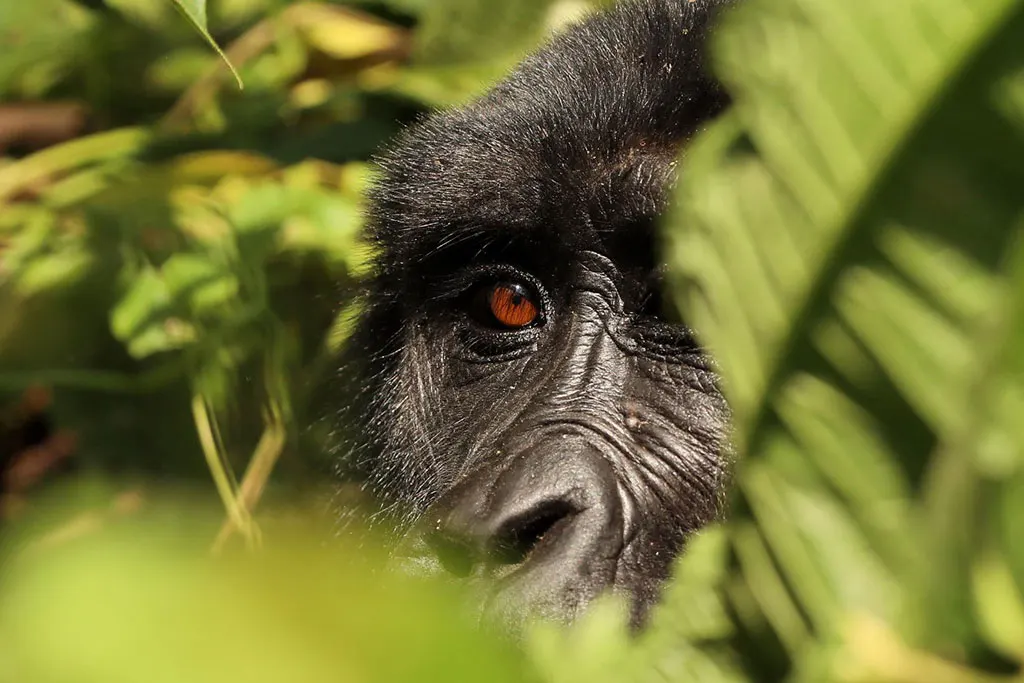
Volcanoes National Park Rwanda is one of Africa’s most extraordinary wildlife destinations, famous for endangered mountain gorillas, golden monkeys and the dramatic Virunga volcanoes. Located in northwestern Rwanda, approximately two and a half to three hours from Kigali, the park offers exceptional primate encounters, challenging mountain hikes, birdwatching and conservation experiences. This comprehensive travel guide explains the best things to do, gorilla trekking permits, accommodation, travel routes, wildlife, visiting seasons and practical information for planning a memorable Rwanda safari.
1. Volcanoes National Park Rwanda: Location, History and Facts
Volcanoes National Park Rwanda is located in the country’s Northern Province, near Musanze and Kinigi, along the borders with Uganda and the Democratic Republic of Congo. The park protects approximately 160 square kilometres of mountainous habitat within the Virunga Massif, a spectacular chain of volcanic peaks extending across three countries. Its landscape includes bamboo forests, montane rainforest, grasslands, swamps and high-altitude vegetation supporting remarkable wildlife diversity.
The park is part of the wider Virunga conservation landscape, which also includes Uganda’s Mgahinga Gorilla National Park and the Democratic Republic of Congo’s Virunga National Park. Together, these protected areas conserve important mountain gorilla habitat and other specialised species. Rwanda’s section is particularly accessible from Kigali, making it a popular destination for short gorilla trekking safaris and longer East African wildlife holidays.
Quick Facts About Volcanoes National Park
| Feature | Details |
|---|---|
| Country | Rwanda |
| Location | Musanze District, Northern Province |
| Park size | Approximately 160 km² |
| Established | 1925, with subsequent boundary changes |
| Main attraction | Mountain gorilla trekking |
| Other primates | Golden monkeys |
| Highest volcano | Mount Karisimbi, approximately 4,507 m |
| Nearest major town | Musanze |
| Main tourism headquarters | Kinigi |
| Kigali driving time | Approximately 2.5–3 hours |
| Gorilla trekking minimum age | 15 years |
| Standard international gorilla permit | USD 1,500 |
| Best-known hiking routes | Bisoke, Karisimbi and Dian Fossey trail |
2. History of Volcanoes National Park Rwanda
The origins of Volcanoes National Park date to 1925, when colonial authorities established a protected area to conserve mountain gorillas and their habitat. The protected landscape subsequently became associated with Albert National Park, before political changes and national boundaries led to the development of separate protected areas in Rwanda and neighbouring countries. Today, Volcanoes National Park remains central to Rwanda’s wildlife conservation and tourism identity.
The park gained international recognition through the work of American primatologist Dian Fossey, who established the Karisoke Research Center in 1967. Her research transformed scientific understanding of mountain gorilla behaviour and drew global attention to threats such as poaching and habitat loss. Modern conservation efforts continue through cooperation between park authorities, researchers, conservation organisations and communities living around the protected area.
3. Why Is Volcanoes National Park Rwanda Famous?
Volcanoes National Park Rwanda is internationally famous for offering visitors the opportunity to observe mountain gorillas in their natural habitat. Guided trekking excursions take travellers through bamboo forests and mountainous vegetation in search of habituated gorilla families. The experience is carefully regulated to minimise disturbance, with limited daily visitor numbers and a maximum standard viewing period of one hour.
Beyond gorilla trekking, the park attracts travellers interested in golden monkeys, volcano hiking, birdwatching and conservation history. The surrounding Musanze region also offers cultural experiences, caves, scenic countryside and luxury safari lodges. This combination of accessibility, exceptional wildlife and dramatic landscapes makes the destination particularly attractive to first-time visitors and experienced African safari travellers.
4. The Five Virunga Volcanoes in Rwanda
Five volcanic peaks are associated with the Rwandan section of the Virunga Massif: Karisimbi, Bisoke, Sabyinyo, Gahinga and Muhabura. These mountains dominate the scenery around Volcanoes National Park and create a range of ecosystems at different elevations. Their forested slopes provide important habitats for mountain gorillas, golden monkeys, forest birds and other wildlife.
| Volcano | Approximate Elevation | Main Interest |
|---|---|---|
| Mount Karisimbi | 4,507 m | Challenging multi-day summit hike |
| Mount Bisoke | 3,711 m | Summit crater lake |
| Mount Sabyinyo | 3,669 m | Three-country border peak |
| Mount Muhabura | 4,127 m | Steep volcanic hiking |
| Mount Gahinga | 3,474 m | Bamboo forest and volcanic scenery |
Mount Karisimbi
Mount Karisimbi is the highest volcano in the Virunga Massif, reaching approximately 4,507 metres above sea level. Its summit attracts experienced hikers seeking a demanding mountain adventure through changing vegetation zones. The ascent typically requires an overnight expedition, with hikers experiencing bamboo forests, giant lobelias, alpine vegetation and potentially cold, misty conditions near the summit.
Karisimbi hiking requires good physical fitness, appropriate mountain equipment and advance arrangements with park authorities. Weather conditions can change quickly at high elevations, and visitors should prepare for rain, strong winds and low temperatures. The mountain is best suited to travellers who enjoy physically challenging adventures rather than casual nature walks.
Mount Bisoke
Mount Bisoke is one of the most popular volcano hiking destinations in Rwanda because of its impressive summit crater lake. Rising to approximately 3,711 metres, the volcano offers a demanding day hike through montane vegetation and steep volcanic terrain. On clear days, hikers can enjoy dramatic mountain scenery and views across the surrounding Virunga landscape.
The trail can become muddy and slippery, particularly during rainy periods, making suitable hiking boots essential. Although the hike is generally completed in one day, the elevation gain and altitude require reasonable fitness. Visitors should arrange the activity through authorised park services and follow their guides’ instructions throughout the ascent.
Mount Sabyinyo, Gahinga and Muhabura
Mount Sabyinyo, Gahinga and Muhabura form an important part of the Virunga volcanic landscape. Their slopes support bamboo forests, highland vegetation and wildlife habitats extending across international boundaries. These mountains are particularly significant for understanding the geography and ecological connections between Rwanda, Uganda and the Democratic Republic of Congo.
Visitors should distinguish between viewing these volcanoes from Rwanda and undertaking summit hikes, because established tourism routes for some peaks are accessed through Uganda’s Mgahinga Gorilla National Park. Hiking availability, permits and access arrangements depend on the selected mountain and responsible park authority.
5. Things to Do in Volcanoes National Park Rwanda
Volcanoes National Park offers a diverse selection of activities for wildlife enthusiasts, hikers, photographers and conservation-minded travellers. Mountain gorilla trekking remains the principal attraction, but golden monkey encounters, volcano climbing, birdwatching and the Dian Fossey memorial hike provide additional reasons to spend several days in the region.
Mountain Gorilla Trekking
Mountain gorilla trekking is the signature wildlife experience in Volcanoes National Park Rwanda. Visitors begin with an early morning briefing before joining experienced guides and trackers to search for an assigned habituated gorilla family. The trek passes through mountainous forests, bamboo vegetation and sometimes steep, muddy terrain, depending on where the gorillas have moved.
Once the gorillas are located, visitors are normally allowed up to one hour observing their behaviour from the required distance. During this time, travellers may watch silverbacks resting, juveniles playing and family members feeding or interacting. The experience offers remarkable insight into mountain gorilla social behaviour while supporting conservation through carefully managed tourism.
Golden Monkey Trekking
Golden monkey trekking is another exceptional primate experience available in Volcanoes National Park. These endangered monkeys are recognised by their striking golden-orange colouring and energetic movements through bamboo forests. Visitors follow authorised guides to search for habituated groups, observing the monkeys feeding, climbing and interacting within their natural environment.
Golden monkey trekking is often less physically demanding than some gorilla treks, although visitors should still prepare for wet vegetation and uneven trails. The activity is particularly suitable for travellers who want to experience another endangered primate species while exploring the Virunga ecosystem. It can easily be combined with gorilla trekking during a three-day Rwanda safari.
Hiking Mount Bisoke
Hiking Mount Bisoke is an excellent activity for travellers seeking a challenging mountain adventure. The trail climbs through different vegetation zones before reaching the crater lake near the summit. Depending on weather conditions, hikers may encounter misty forests, beautiful mountain scenery and occasional views of surrounding volcanic peaks.
The hike requires stamina because of steep sections, muddy surfaces and the effects of altitude. Visitors should wear waterproof hiking boots, carry sufficient drinking water and prepare for changing weather. A guided ascent generally occupies most of the day, making an overnight stay near Kinigi advisable.
Hiking Mount Karisimbi
Mount Karisimbi offers one of Rwanda’s most demanding mountain hiking experiences. The ascent normally takes two days, allowing hikers to climb through changing vegetation zones before reaching the summit. At higher elevations, temperatures can become considerably colder, and the terrain may be exposed to rain, mist and strong winds.
The experience is best suited to physically prepared travellers who enjoy extended mountain hiking. Appropriate clothing, sleeping arrangements, food supplies and authorised guiding services are essential. Karisimbi can be combined with gorilla trekking for visitors who want both a major wildlife encounter and a challenging volcanic expedition.
Dian Fossey Tomb and Karisoke Research Site
The Dian Fossey memorial hike introduces visitors to the conservation history of mountain gorillas in Rwanda. The route leads through forested slopes toward the former Karisoke Research Center area and the gravesite associated with Fossey’s work. Her pioneering research helped transform global understanding of gorilla behaviour and highlighted the importance of protecting their habitat.
The hike can be physically demanding because of elevation, vegetation and potentially muddy trails. Visitors interested in wildlife conservation, primatology and the history of the Virunga Mountains often find this excursion particularly meaningful. The experience complements gorilla trekking by explaining the long-term research and protection efforts behind modern conservation programmes.
Birdwatching in Volcanoes National Park
Volcanoes National Park is an important destination for birdwatchers exploring Rwanda’s Albertine Rift region. Its montane forests, bamboo zones and high-altitude vegetation support a variety of forest birds, including several species associated with the Albertine Rift. Birdwatching opportunities depend on habitat, season and the specific routes authorised for visitors.
Travellers interested in specialist birding can combine Volcanoes National Park with Nyungwe National Park and other Rwandan birdwatching destinations. Experienced guides can help identify birds through calls, behaviour and habitat preferences. Birdwatching excursions should be planned around permitted access routes and the visitor’s target species.
6. Other Attractions Around Volcanoes National Park
The wider Musanze region offers several worthwhile attractions beyond the national park’s principal wildlife activities. Visitors can explore volcanic caves, community tourism projects, cultural heritage sites and scenic countryside. These experiences provide opportunities to learn about Rwanda’s landscapes, traditions and communities while creating a more varied itinerary.
Musanze Caves
Musanze Caves are among the most interesting geological attractions near Volcanoes National Park. Formed through ancient volcanic processes, the caves contain underground passages that reveal part of the region’s geological history. Guided visits introduce travellers to volcanic formations and the natural processes that shaped the surrounding landscape.
The caves provide a useful addition to a longer Musanze itinerary, particularly for travellers interested in geology and outdoor exploration. Access conditions and visitor arrangements should be confirmed before travelling. Suitable footwear and appropriate guiding services are recommended for exploring underground passages safely.
Iby’Iwacu Cultural Village
The Iby’Iwacu Cultural Village, commonly associated with the Gorilla Guardians community tourism initiative, provides opportunities to learn about traditional Rwandan culture near Volcanoes National Park. Visitors may experience traditional dance, local crafts, food preparation and demonstrations of community customs through organised cultural activities.
The initiative is also associated with efforts to create alternative livelihoods connected to tourism and conservation. Travellers should approach cultural visits respectfully and choose experiences that support local participation. A community visit can complement gorilla trekking by providing insight into the relationship between protected wildlife areas and neighbouring communities.
Buhanga Eco-Park
Buhanga Eco-Park is a small forest area near Musanze associated with Rwanda’s cultural traditions and historical ceremonies. The site has significance in accounts of the country’s former monarchy and offers visitors an opportunity to explore natural vegetation alongside local heritage. Guided visits can introduce travellers to the forest’s cultural importance.
Buhanga is particularly appealing to visitors interested in combining nature, history and cultural experiences. The excursion can be incorporated into a longer stay around Volcanoes National Park, depending on available time and current visitor arrangements.
7. Wildlife in Volcanoes National Park Rwanda
Although mountain gorillas are the park’s most famous inhabitants, Volcanoes National Park supports a broader range of mammals, birds and other wildlife. Its different vegetation zones provide habitats for species adapted to mountainous rainforest, bamboo forest and high-altitude environments. Wildlife sightings vary according to habitat, season and the activities undertaken.
Mountain gorillas and golden monkeys are the most frequently targeted primates. Other mammals recorded in the wider park ecosystem include forest buffaloes, forest elephants, bushbucks, duikers, spotted hyenas and forest pigs. Many of these species are difficult to observe because they inhabit dense vegetation and are not the focus of regular tourism activities.
8. Gorilla Families in Volcanoes National Park
Volcanoes National Park has several habituated mountain gorilla families available for regulated tourism. These groups differ in size, composition, behaviour and movement patterns. Some occupy relatively accessible areas, while others may travel through steeper or more distant mountain habitats. The allocation of trekking groups is managed by park authorities according to conservation and operational considerations.
Well-known gorilla family names associated with Rwanda’s trekking history include Susa, Sabyinyo, Amahoro, Hirwa, Kwitonda, Umubano, Agashya and others. However, gorilla group composition and tourism availability change over time as individuals mature, groups divide and animals move between territories. Travellers should not assume that every historically named family remains available for tourism on a particular date.
Can You Choose a Gorilla Family in Rwanda?
Visitors may communicate their physical fitness, mobility concerns and trekking preferences during the briefing process, but the final allocation of gorilla groups remains with park authorities. Rangers consider factors such as group locations, visitor capabilities and conservation requirements. No operator can guarantee a particular gorilla family or a fixed trekking duration.
Travellers who prefer a less demanding experience should explain their circumstances in advance. However, mountain gorillas move freely through their natural habitat, and even groups considered relatively accessible may require substantial walking on a particular day.
9. How Much Does Gorilla Trekking Cost in Rwanda?
The standard gorilla trekking permit for an international foreign visitor to Volcanoes National Park is USD 1,500 per person. This fee covers participation in the regulated gorilla trekking activity, including the authorised viewing period. It does not automatically include international flights, accommodation, private transportation or the other services commonly arranged in a complete safari package.
Rwanda also has differentiated or promotional permit categories for eligible citizens and residents. These rates can depend on nationality, residency, travel dates and applicable programme conditions. Travellers should confirm the official tariff for their specific booking date before making payment, particularly when planning a future safari.
Rwanda Gorilla Trekking Permit Prices
| Visitor Category | Indicative Permit Rate |
|---|---|
| Standard international foreign visitor | USD 1,500 |
| Eligible foreign resident in Rwanda | USD 500, subject to conditions |
| Eligible Rwandan citizen | USD 200, subject to conditions |
| Other eligible regional or promotional categories | Varies by programme |
These figures reflect the permit categories discussed in the source material, including promotional arrangements described for 2026. They should not be interpreted as guaranteed rates for every future travel date. Seasonal exclusions and eligibility requirements may apply, and the Rwanda Development Board’s current tariff should be checked before confirming a quotation.
What Is Included in a Gorilla Trekking Permit?
A Rwanda gorilla trekking permit provides access to the scheduled gorilla trekking activity under the supervision of authorised park personnel. The experience includes the morning briefing, guided forest search and permitted observation period once the assigned gorilla family is located. Visitor numbers are restricted to reduce disturbance and support responsible wildlife tourism.
The permit does not represent the total cost of a Rwanda safari. Travellers must also budget for accommodation, transfers, meals and other services. Porters, additional activities, personal expenses and international flights may require separate payment, depending on the arrangements made.
10. Rwanda Gorilla Safari Package Costs
The total price of a Rwanda gorilla safari depends on accommodation category, number of travellers, travel season, itinerary duration and included services. Because the international gorilla permit represents a substantial fixed expense, even relatively simple short itineraries can cost considerably more than conventional wildlife excursions.
| Safari Category | Typical Duration | Planning Considerations |
|---|---|---|
| Budget | 2–3 days | Affordable accommodation and essential services |
| Mid-range | 2–4 days | Comfortable lodges and private transfers |
| Luxury | 2–4 days | Premium accommodation and personalised services |
| Gorilla and golden monkey safari | 3–4 days | Two separate primate activities |
| Gorilla and Akagera safari | 5–7 days | Primates combined with savanna wildlife |
A detailed quotation is more useful than a generic starting price because accommodation rates and permit eligibility can vary significantly. Great Apes Tours Africa prepares tailored itineraries based on travel dates, group size and preferred comfort level, allowing travellers to compare the complete experience rather than only the permit fee.
11. Gorilla Trekking Rules in Volcanoes National Park
Mountain gorilla tourism is carefully regulated because gorillas are vulnerable to disturbance and human-transmitted diseases. Visitors must follow instructions from park rangers and trackers throughout the excursion. The minimum trekking age is 15 years, and a standard gorilla viewing group is limited to a maximum of eight visitors.
The standard viewing period is limited to one hour once the gorillas are located. Visitors must maintain the required distance, avoid unnecessary noise and refrain from touching or feeding the animals. Travellers experiencing contagious illness symptoms should notify park personnel because participation may be refused to protect the gorillas.
Important Gorilla Trekking Requirements
- Health and minimum age: Gorilla trekking participants must be at least 15 years old and should be in suitable health for a forest excursion. Visitors with contagious respiratory symptoms may be denied participation because gorillas are susceptible to human illnesses. Travellers should disclose relevant concerns before trekking and follow all health instructions provided by park authorities.
- Viewing distance and behaviour: Visitors must maintain the minimum distance required by current park regulations, commonly stated as seven metres, and follow ranger instructions if gorillas approach unexpectedly. Sudden movements, loud conversations and attempts to touch wildlife are prohibited. Responsible behaviour helps minimise stress and protects both the gorillas and their visitors.
- Photography and conservation: Photography is permitted under park rules, but flash photography is not allowed around gorillas. Visitors should avoid blocking animal movements, disturbing vegetation unnecessarily or leaving litter in the forest. Rangers may provide additional instructions depending on the behaviour of the assigned gorilla family and the conditions encountered during the trek.
12. How Difficult Is Gorilla Trekking in Rwanda?
Gorilla trekking difficulty varies considerably because mountain gorillas move freely through the forest. Some families may be located relatively close to accessible trails, while others require several hours of hiking through steep, muddy or densely vegetated terrain. The altitude and changing weather conditions can make the experience more physically demanding than visitors initially expect.
Reasonable fitness, comfortable hiking footwear and adequate preparation are important. Travellers who have concerns about strenuous walking should communicate their needs before the trekking date. Porters may be available to carry bags and provide practical assistance, although they cannot eliminate the natural challenges of mountainous terrain.
13. Best Time to Visit Volcanoes National Park Rwanda
Volcanoes National Park Rwanda can be visited throughout the year, with mountain gorilla trekking and other authorised activities available in different seasons. However, many travellers prefer the relatively drier months because forest trails can be easier to navigate. Weather remains unpredictable in the Virunga Mountains, and rainfall is possible even during traditionally dry periods.
June to September: Main Dry Season
June to September is generally considered one of the most popular periods for visiting Volcanoes National Park. Rainfall is often lower than during the main wet season, making some hiking routes more manageable. The period is particularly attractive for gorilla trekking, golden monkey encounters and mountain hiking.
However, this is also a popular travel season, and gorilla permits and preferred accommodation may sell out in advance. Travellers planning visits during these months should confirm availability early and remain prepared for occasional rain.
December to February: Shorter Dry Period
December to February is another favourable period for visiting Volcanoes National Park, particularly for travellers combining Rwanda with other East African destinations. Hiking conditions may be more comfortable than during the wetter months, although the highland environment remains cool and unpredictable.
This period can suit visitors interested in gorilla trekking, golden monkeys and selected mountain hikes. Travellers should still carry waterproof clothing and allow sufficient time for activities affected by weather.
March to May and October to November: Wetter Seasons
The wetter periods generally occur from March to May and October to November, although seasonal patterns vary. Rainfall can make forest trails muddy and increase the physical demands of gorilla trekking and volcano hiking. Visitors should prepare for changing weather and potentially slower movement through the forest.
Despite these challenges, the landscape can be particularly green and atmospheric. Travellers comfortable with wet conditions may appreciate quieter travel periods, although permit promotions and accommodation availability should always be checked rather than assumed.
14. How to Get to Volcanoes National Park From Kigali
Volcanoes National Park is approximately two and a half to three hours by road from Kigali, depending on the starting point, traffic and accommodation location. Travellers usually follow the road toward Musanze before continuing to Kinigi or their selected lodge near the park. The journey passes through Rwanda’s rolling hills, agricultural landscapes and small communities.
Private transfers are particularly convenient for international visitors arriving through Kigali International Airport. A professional driver-guide can coordinate airport pickup, accommodation transfers and the early morning journey to the park headquarters. Great Apes Tours Africa can organise these arrangements as part of a complete Rwanda safari.
Can You Visit Volcanoes National Park From Kigali in One Day?
A one-day gorilla trekking excursion from Kigali may be possible with a very early departure and carefully coordinated transport. However, the journey involves several hours of driving in addition to the forest trek, making the schedule demanding. Visitors must arrive at the designated briefing location at the required time.
For a more comfortable experience, spending at least one night near Kinigi is generally preferable. This reduces early morning travel pressure and provides greater flexibility if the gorilla trek takes longer than expected.
15. Visiting Volcanoes National Park From Uganda
Travellers can combine Volcanoes National Park with Uganda’s Bwindi Impenetrable National Park, Mgahinga Gorilla National Park and other destinations. Cross-border itineraries are particularly attractive for visitors interested in comparing gorilla trekking experiences or exploring the wider Virunga and Albertine Rift regions.
Common routes connect Kigali and Musanze with Uganda through border crossings such as Cyanika or Katuna, depending on the itinerary. Travellers should confirm immigration requirements, visa eligibility, border operating hours and vehicle arrangements before departure. Great Apes Tours Africa can coordinate suitable cross-border transport and accommodation.
16. Where to Stay Near Volcanoes National Park
Accommodation near Volcanoes National Park ranges from luxury wilderness lodges to comfortable mid-range hotels and affordable guesthouses. Most visitors stay around Kinigi or Musanze because these locations provide convenient access to the park’s tourism headquarters. Choosing accommodation near the briefing point can make the early morning trekking arrangements significantly easier.
Luxury Accommodation
Luxury accommodation around Volcanoes National Park includes renowned properties such as Bisate Lodge, Singita Kwitonda Lodge, One&Only Gorilla’s Nest and Sabyinyo Silverback Lodge. These lodges appeal to travellers seeking premium comfort, distinctive architecture, personalised services and impressive views of the surrounding volcanic landscape.
Luxury safari packages may include private transfers, high-quality dining and additional experiences depending on the property. Travellers should compare the lodge location, room category and services included before making a reservation.
Mid-Range Accommodation
Mid-range accommodation provides a balance between comfort and cost for travellers visiting Volcanoes National Park. Options around Musanze and Kinigi include comfortable lodges and hotels offering private rooms, meals and access to the park’s principal activities.
Travellers should compare driving time to the park headquarters, room facilities, meal arrangements and the availability of early breakfast services. Choosing a well-located property can be particularly valuable when participating in gorilla trekking or golden monkey trekking.
Budget Accommodation
Budget travellers can find guesthouses and simpler accommodation in and around Musanze. These properties may offer more affordable room rates while providing access to Volcanoes National Park through arranged transport. However, visitors should remember that the gorilla trekking permit remains a major expense regardless of accommodation category.
When comparing budget properties, travellers should consider cleanliness, location, meal availability and transfer costs. Accommodation farther from Kinigi may appear cheaper but require additional transport arrangements on trekking mornings.
17. How Many Days Do You Need in Volcanoes National Park?
The ideal length of stay depends on whether visitors want only gorilla trekking or a broader experience including golden monkeys, volcano hiking and cultural attractions. A short itinerary can focus on the principal wildlife encounter, while longer stays provide opportunities to explore the region more thoroughly.
Two-Day Volcanoes National Park Safari
A two-day safari is suitable for travellers with limited time who want to focus on mountain gorilla trekking. The first day typically involves travelling from Kigali to the Musanze or Kinigi area, checking into accommodation and preparing for the following morning’s activity.
On the second day, visitors attend the gorilla trekking briefing and enter the forest with authorised guides. After the trek, travellers may return to Kigali, provided their schedule allows sufficient time.
Three-Day Gorilla and Golden Monkey Safari
A three-day itinerary allows travellers to experience both mountain gorillas and golden monkeys without rushing between activities. The first day is dedicated to travelling from Kigali and settling into accommodation near Volcanoes National Park.
The second day focuses on gorilla trekking, while the third includes golden monkey trekking before returning to Kigali. This itinerary is particularly suitable for travellers interested in observing two endangered primate species within the Virunga ecosystem.
Four- to Five-Day Volcanoes Adventure
A four- or five-day itinerary provides additional time for mountain hiking, cultural experiences and conservation-focused activities. Travellers can combine gorilla trekking with golden monkeys, the Dian Fossey memorial hike or a Mount Bisoke expedition, depending on fitness and available permits.
Longer stays also allow time to explore Musanze Caves, community tourism projects and scenic countryside. Visitors planning Mount Karisimbi should account for its multi-day hiking requirements when designing the itinerary.
18. Combining Volcanoes National Park With Other Rwanda Destinations
Volcanoes National Park can form part of a broader Rwanda safari that includes savanna wildlife, chimpanzees, tropical forests and lakeside relaxation. Combining different destinations allows travellers to experience Rwanda’s remarkable ecological diversity within a single holiday.
Volcanoes National Park and Akagera National Park
Combining Volcanoes National Park with Akagera National Park provides an opportunity to experience both mountain gorillas and traditional savanna wildlife. Akagera is known for game drives, boat excursions and species such as elephants, lions, giraffes, buffaloes and rhinoceroses.
This combination is particularly attractive for travellers seeking a more complete Rwanda wildlife safari. The itinerary should allow sufficient time for transfers between the parks and avoid placing major activities too close together.
Volcanoes National Park and Nyungwe National Park
Nyungwe National Park provides an excellent extension for visitors interested in primates, forest biodiversity and hiking. The park is famous for chimpanzee tracking, canopy experiences, forest trails and numerous bird species associated with the Albertine Rift.
Combining Nyungwe with Volcanoes National Park allows travellers to observe different primate species and explore contrasting rainforest ecosystems. The journey can also incorporate scenic stops and cultural attractions across western Rwanda.
Volcanoes National Park and Lake Kivu
Lake Kivu offers a relaxing contrast to the physically demanding activities around Volcanoes National Park. Travellers can enjoy lakeside accommodation, scenic views, boat excursions and time to unwind after gorilla trekking or mountain hiking.
Popular lakeside destinations include Gisenyi, Kibuye and other communities along the lake. The most suitable location depends on the wider itinerary and onward travel plans.
19. Rwanda Gorilla Trekking vs Uganda Gorilla Trekking
Travellers frequently compare gorilla trekking in Rwanda and Uganda when planning an East African safari. Rwanda offers mountain gorilla trekking in Volcanoes National Park, while Uganda provides trekking experiences in Bwindi Impenetrable National Park and Mgahinga Gorilla National Park. Both countries protect mountain gorillas within their natural habitats.
Rwanda’s main advantage is convenient access from Kigali, while Uganda generally offers lower standard international gorilla permit prices and a wider selection of trekking sectors in Bwindi. The best choice depends on travel dates, budget, preferred accommodation, available time and other wildlife activities.
| Comparison | Rwanda | Uganda |
|---|---|---|
| Main gorilla destination | Volcanoes National Park | Bwindi and Mgahinga |
| Standard international permit | USD 1,500 | Generally USD 800 under the referenced tariff |
| Main international gateway | Kigali | Entebbe or Kigali |
| Typical short safari | 2–3 days | 3–4 days, or shorter from Kigali |
| Additional primate activity | Golden monkeys | Golden monkeys and chimpanzees in wider itineraries |
| Landscape | Virunga volcanic mountains | Montane rainforest and volcanic mountains |
Permit rates are subject to the official tariff applicable to the intended travel date. Travellers should compare complete safari costs rather than permit prices alone, because accommodation, transportation and other activities can substantially affect the final quotation.
20. What to Pack for Volcanoes National Park
Preparing suitable clothing and equipment is important because Volcanoes National Park has mountainous terrain and unpredictable weather. Visitors should pack for cool mornings, possible rainfall and potentially muddy forest trails. The appropriate equipment depends on whether the itinerary includes gorilla trekking, golden monkeys or demanding volcano hikes.
- Hiking boots and protective clothing: Wear waterproof hiking boots with good grip, long trousers and comfortable long-sleeved shirts. Forest vegetation can be dense, and trails may become muddy after rainfall. Gaiters and gardening gloves can provide additional protection during gorilla trekking, while breathable clothing helps maintain comfort during strenuous walks.
- Rain protection and warm layers: Carry a lightweight waterproof jacket, suitable rain protection for personal equipment and a warm fleece for cooler mornings. Weather conditions can change quickly in the Virunga Mountains, especially at higher elevations. Travellers undertaking volcano hikes should prepare for colder temperatures and stronger winds than those experienced around Musanze.
- Water, food and personal essentials: Bring sufficient drinking water, packed food where appropriate, sunscreen, insect repellent and personal medication. A small waterproof daypack is useful for carrying essential items during forest activities. Travellers should also carry identification and any documentation requested by park authorities or their safari operator.
- Photography and observation equipment: A camera with suitable lenses, spare batteries and waterproof protection can help capture wildlife and landscape experiences. Binoculars are useful for birdwatching and observing distant scenery. Flash photography is not permitted around gorillas, and visitors should always follow ranger instructions regarding safe and respectful wildlife observation.
21. Responsible Tourism and Gorilla Conservation
Responsible tourism plays an important role in protecting mountain gorillas and their habitat. Gorilla trekking fees support conservation-related activities, while tourism creates employment and business opportunities for communities living around Volcanoes National Park. Effective conservation also depends on research, habitat protection, veterinary monitoring and cooperation across national borders.
Visitors contribute by following park regulations, respecting wildlife, supporting responsible accommodation providers and participating in community activities that provide meaningful local benefits. Avoiding litter, unnecessary noise and wildlife disturbance helps preserve the natural environment for future generations.
22. Frequently Asked Questions About Volcanoes National Park Rwanda
Where Is Volcanoes National Park Rwanda Located?
Volcanoes National Park Rwanda is located in the country’s Northern Province near Musanze and Kinigi, approximately two and a half to three hours from Kigali by road. The park protects part of the Virunga volcanic mountain range along Rwanda’s borders with Uganda and the Democratic Republic of Congo. Its mountainous landscape supports endangered mountain gorillas, golden monkeys and specialised forest wildlife.
What Is Volcanoes National Park Famous For?
Volcanoes National Park is best known for mountain gorilla trekking, which allows visitors to observe habituated gorilla families in their natural habitat. The park is also famous for endangered golden monkeys, the Virunga volcanoes, challenging mountain hikes and the conservation legacy of Dian Fossey. Its accessibility from Kigali makes it a popular destination for short Rwanda wildlife safaris.
How Much Is a Gorilla Permit in Rwanda?
The standard gorilla trekking permit for an international foreign visitor is USD 1,500 per person under the referenced tariff. Different rates may apply to eligible citizens, residents or promotional categories, subject to official conditions. The permit covers the regulated gorilla trekking activity but does not automatically include accommodation, private transportation or other safari services.
What Is the Best Time to Visit Volcanoes National Park?
Volcanoes National Park can be visited throughout the year, although June to September and December to February are generally considered relatively drier periods. These months may offer more manageable hiking conditions, but rainfall remains possible at any time. Travellers should choose their dates according to activity preferences, permit availability and tolerance for wet mountain conditions.
How Long Does Gorilla Trekking Take in Rwanda?
Gorilla trekking can take several hours because mountain gorillas move freely through their natural habitat. Some groups may be located relatively close to accessible trails, while others require longer walks through steep or muddy terrain. Once visitors reach the assigned gorilla family, the standard viewing period is limited to one hour under park regulations.
Can Children Go Gorilla Trekking in Rwanda?
Children must be at least 15 years old to participate in mountain gorilla trekking in Rwanda. This minimum age requirement forms part of the park’s visitor regulations and helps ensure participants can manage the physical and behavioural requirements of the activity. Families travelling with younger children should arrange alternative activities and appropriate supervision during the trekking excursion.
Can You Visit Volcanoes National Park in One Day?
A one-day visit from Kigali may be possible with carefully arranged transportation and an early departure. However, gorilla trekking requires an early briefing, and the forest excursion can last several hours. Staying overnight near Kinigi is generally more comfortable because it reduces travel pressure and provides flexibility if the activity takes longer than expected.
Can You See Golden Monkeys in Volcanoes National Park?
Yes, golden monkey trekking is one of the principal wildlife activities available in Volcanoes National Park. Visitors join authorised guides to search for habituated groups in suitable forest habitats, particularly bamboo vegetation. The experience is popular among travellers interested in primates and can be combined with gorilla trekking during a three-day or longer Rwanda safari.
Is Volcanoes National Park Safe to Visit?
Volcanoes National Park is an established tourism destination with regulated visitor activities managed by authorised park personnel. Travellers should follow ranger instructions, use recognised access routes and check current travel advisories before departure. As with any international wildlife destination, safety conditions can change, particularly in border regions, making up-to-date local guidance important.
How Many Days Are Enough for Volcanoes National Park?
Two days may be sufficient for a short gorilla trekking safari from Kigali, although three days provide a more relaxed experience and allow visitors to include golden monkey trekking. Travellers interested in volcano hiking, the Dian Fossey memorial or cultural activities should consider four or five days. The ideal duration depends on fitness, available time and preferred experiences.
23. Plan Your Volcanoes National Park Safari With Great Apes Tours Africa
Volcanoes National Park Rwanda offers an extraordinary combination of endangered mountain gorillas, golden monkeys, volcanic landscapes and conservation history. Whether you are planning a short gorilla trekking safari from Kigali or a longer East African wildlife adventure, a carefully organised itinerary allows you to experience the park’s highlights at a comfortable pace.
Great Apes Tours Africa specialises in tailor-made safaris across Rwanda, Uganda and other African destinations. Our local safari team can arrange gorilla trekking permits, private transportation, accommodation, professional guiding services and additional activities according to your travel dates, interests and preferred comfort level.
Book Your Rwanda Gorilla Trekking Safari
Share your preferred travel dates, number of travellers, accommodation preferences and activities with Great Apes Tours Africa. We can prepare a personalised itinerary combining Volcanoes National Park with Kigali, Akagera National Park, Nyungwe National Park, Lake Kivu or Uganda’s Bwindi Impenetrable National Park.
Discover Volcanoes National Park Rwanda with Great Apes Tours Africa and experience the remarkable wildlife, landscapes and conservation heritage of the Virunga Mountains.
Pingback: Mount Karisimbi Hiking: Costs, Difficulty & Guide