Mount Karisimbi Hiking in Rwanda: Costs, Difficulty & Complete Guide
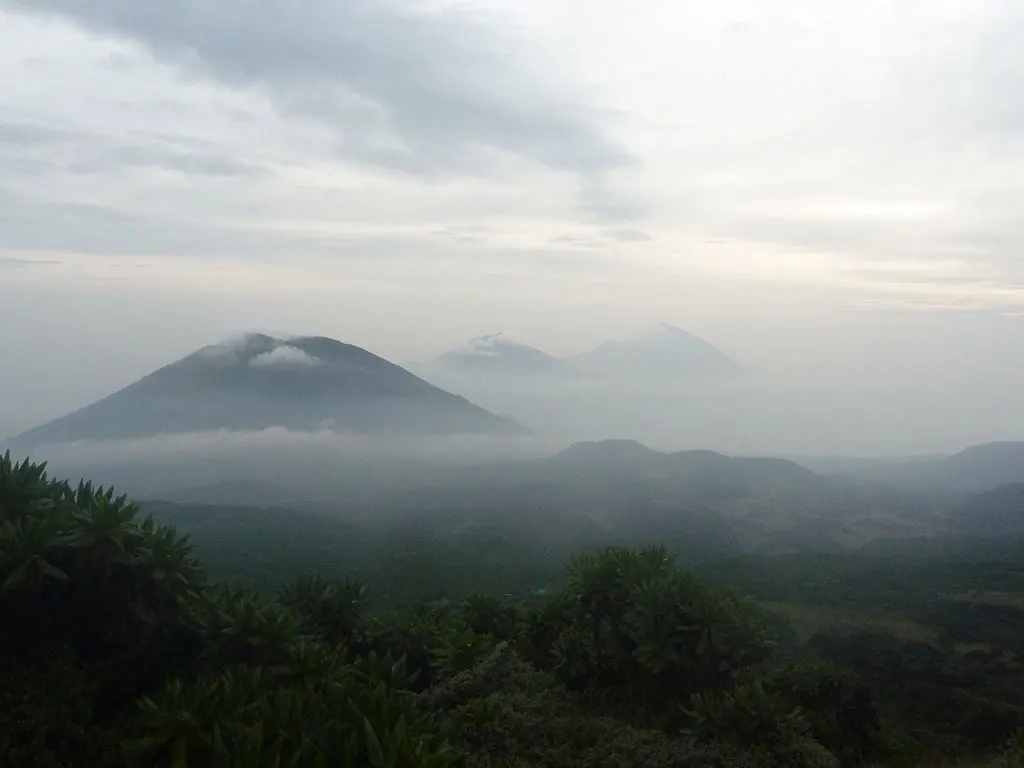
Mount Karisimbi Hiking is one of Rwanda’s most challenging and rewarding mountain adventures, taking trekkers to the summit of the country’s highest volcano at approximately 4,507 metres above sea level. Located within Volcanoes National Park in northwestern Rwanda, Mount Karisimbi offers a demanding two-day expedition through bamboo forests, montane vegetation and high-altitude landscapes. This comprehensive guide explains the hiking costs, permits, trail difficulty, camping experience, best time to climb, preparation requirements and what travellers should expect when planning a Mount Karisimbi trek.
1. Mount Karisimbi Hiking: Location, Altitude and Essential Facts
Mount Karisimbi is an inactive stratovolcano within the Virunga Mountains, a volcanic range shared by Rwanda, Uganda and the Democratic Republic of Congo. The mountain stands along the Rwanda–DR Congo border and forms part of the protected landscape of Volcanoes National Park. Rising approximately 4,507 metres above sea level, Karisimbi is the highest volcano in the Virunga Massif and one of East Africa’s most impressive volcanic summits.
Unlike shorter hiking experiences in Rwanda, climbing Karisimbi normally requires two days, including an overnight stay at a designated mountain campsite. The expedition is particularly attractive to experienced hikers, adventure travellers and visitors seeking a challenging activity beyond gorilla trekking. Its combination of altitude, steep slopes, changing vegetation and unpredictable weather makes proper preparation essential for a safe and enjoyable experience.
Quick Facts About Mount Karisimbi
| Feature | Details |
|---|---|
| Mountain | Mount Karisimbi |
| Country | Rwanda, along the DR Congo border |
| National park | Volcanoes National Park |
| Mountain range | Virunga Mountains |
| Elevation | Approximately 4,507 metres |
| Volcano type | Stratovolcano |
| Volcanic status | No known historical eruption |
| Typical hiking duration | 2 days and 1 night |
| Hiking difficulty | Strenuous |
| Overnight accommodation | Designated mountain campsite |
| Starting area | Kinigi, Volcanoes National Park |
| Nearest major town | Musanze |
| Main international gateway | Kigali International Airport |
| Recommended fitness | Good hiking fitness |
| Main attractions | Summit views, alpine vegetation, volcanic scenery |
2. Where Is Mount Karisimbi Located in Rwanda?
Mount Karisimbi is situated in northwestern Rwanda, within Volcanoes National Park, close to the border with the Democratic Republic of Congo. The mountain lies west of Mount Bisoke and forms part of the spectacular Virunga volcanic chain. Its slopes rise above the surrounding countryside, creating a distinctive landscape of forested mountains, highland farms and volcanic peaks visible from several locations around Musanze.
Travellers generally access the mountain through the Kinigi area, where Volcanoes National Park tourism activities are coordinated. Musanze is the nearest major town and provides accommodation, restaurants and other visitor services. From Kigali, the journey to the Volcanoes region typically takes approximately two and a half to three hours by road, depending on traffic and the selected accommodation.
3. Mount Karisimbi Height and Volcanic History
Mount Karisimbi reaches approximately 4,507 metres above sea level, making it the highest peak in the Virunga Mountains. It is also one of Rwanda’s most prominent natural landmarks. The volcano belongs to the Albertine Rift region, where geological activity associated with the East African Rift system has created dramatic mountains, valleys and volcanic landscapes.
Karisimbi is classified as a stratovolcano, formed through successive layers of volcanic material over geological time. Although it has no known historical eruption, its volcanic origins remain evident in the mountain’s shape and surrounding terrain. Hikers experience several ecological zones as they ascend, from lower montane forests to exposed high-altitude vegetation near the summit.
What Does the Name Karisimbi Mean?
The name Karisimbi is commonly associated with the Kinyarwanda expression referring to a white shell or white appearance. This interpretation is often linked to the mountain’s summit, which can occasionally appear white because of frost, hail or other cold-weather conditions. The mountain’s high elevation creates temperatures considerably cooler than those experienced in Kigali or the surrounding lowlands.
Although permanent snow is not a characteristic feature of Karisimbi, hikers may encounter frost and very cold conditions near the summit. The mountain’s distinctive appearance, impressive elevation and volcanic setting contribute to its importance in Rwanda’s natural landscape and adventure tourism.
4. Why Is Mount Karisimbi Famous?
Mount Karisimbi is famous for being the highest volcano in the Virunga Massif and one of Rwanda’s most demanding hiking destinations. Unlike Mount Bisoke, which is commonly climbed as a day hike, Karisimbi typically requires an overnight expedition. This makes it particularly attractive to travellers seeking a more substantial mountain adventure with camping, challenging terrain and high-altitude trekking.
The mountain is also significant because of its location within the wider Virunga conservation landscape, which protects endangered mountain gorillas and other wildlife. Hikers pass through different vegetation zones, including bamboo forest and high-altitude plant communities. On clear days, the upper slopes provide remarkable views across neighbouring volcanoes and the surrounding mountainous countryside.
5. How Difficult Is Mount Karisimbi Hiking?
Mount Karisimbi Hiking is considered strenuous because of its high elevation, steep terrain, long walking distances and changing weather conditions. The expedition involves ascending through mountainous vegetation before reaching exposed areas where temperatures can drop significantly. The altitude can also affect breathing and physical performance, particularly for visitors who are not accustomed to hiking above 3,000 metres.
The challenge is not limited to reaching the summit. Hikers must also descend over uneven terrain, often after a cold night at altitude. Muddy trails, slippery vegetation and fatigue can increase the difficulty. Good physical fitness, appropriate equipment and a realistic understanding of personal limitations are essential for completing the expedition safely.
Is Mount Karisimbi Suitable for Beginners?
Mount Karisimbi is generally better suited to hikers who have previous experience with long walks, steep trails or mountain trekking. Beginners with excellent fitness may be able to attempt the climb, but they should prepare carefully and understand the demands of altitude, overnight camping and potentially difficult weather conditions.
Travellers without mountain hiking experience may prefer to begin with shorter excursions, such as selected nature walks or Mount Bisoke, before attempting Karisimbi. A professional guide can assess the group’s pace and provide practical advice, but no guide can remove the physical challenges associated with a high-altitude ascent.
Can You Experience Altitude Sickness on Mount Karisimbi?
Yes, altitude sickness is a potential concern because Mount Karisimbi rises above 4,500 metres. As elevation increases, the amount of oxygen available to the body decreases, and some hikers may experience headaches, nausea, dizziness, fatigue or difficulty sleeping. These symptoms can occur even among physically fit travellers.
Visitors should avoid rushing the ascent and inform their guide immediately if they develop symptoms. Worsening headache, vomiting, poor coordination or unusual breathlessness require prompt attention and may necessitate descent. Travellers with relevant medical concerns should seek professional advice before attempting the mountain.
6. How Long Does It Take to Climb Mount Karisimbi?
The standard Mount Karisimbi hiking expedition takes two days and one night. The first day involves registration, briefing and ascending toward a designated high-altitude campsite. On the second day, hikers generally begin early, continue toward the summit and descend after enjoying the mountain scenery. The exact schedule depends on weather, trail conditions and the group’s fitness.
The total walking time can be substantial, and visitors should prepare for long hours on the mountain. Summit success is not guaranteed because severe weather, altitude-related symptoms or other safety concerns may require the guide to modify the route or turn back before reaching the top.
7. Two-Day Mount Karisimbi Hiking Itinerary
The two-day Mount Karisimbi trek is designed to provide enough time for a challenging ascent, overnight camping and summit attempt. Travellers normally stay near Volcanoes National Park before the expedition to ensure they arrive at the briefing point on time. The itinerary should be coordinated with authorised park personnel, including arrangements for guides, camping equipment and porters.
Day 1: Kinigi – Mount Karisimbi Base Camp
The adventure begins with an early morning transfer to the designated Volcanoes National Park briefing area near Kinigi. After registration and safety instructions, hikers meet their guides and porters before travelling to the appropriate trailhead. The ascent passes through mountainous forest and changing vegetation, with regular breaks for rest, hydration and photography.
As the group gains elevation, the landscape gradually changes from dense vegetation toward more open high-altitude habitats. The first day’s hike generally ends at a designated campsite, commonly described as being around 3,700 metres above sea level. Hikers settle into their camping arrangements, enjoy a prepared meal and rest before the following morning’s summit attempt.
Overnight Camping on Mount Karisimbi
Camping is an important part of the Mount Karisimbi hiking experience because the standard expedition involves spending a night at high altitude. Temperatures can become very cold, particularly after sunset, and conditions may include mist, wind or rainfall. Visitors should carry appropriate sleeping equipment and warm clothing suitable for mountain environments.
Camping arrangements vary according to the package and park requirements. Travellers should confirm whether tents, sleeping bags, mattresses, meals, cooking equipment and porter services are included. A comfortable night’s rest can be difficult at altitude, making suitable equipment and careful preparation especially important.
Day 2: Summit Mount Karisimbi – Descend to Kinigi
The second day usually begins early with a challenging ascent toward the summit. Hikers continue through exposed high-altitude terrain where vegetation becomes sparse and temperatures may be considerably colder. The final approach can be physically demanding because of the elevation, steep sections and potentially slippery ground.
Upon reaching the summit, visitors may enjoy expansive views of the Virunga volcanic landscape when weather conditions are favourable. After a rest and photography opportunities, the group begins the long descent toward the trailhead. Travellers then return to their accommodation or continue with their Rwanda safari itinerary.
8. Mount Karisimbi Hiking Permit Costs and Fees
The Mount Karisimbi hiking permit is issued under the tourism regulations of Rwanda’s Volcanoes National Park. The applicable price depends on the official tariff, visitor category and any additional services required for the expedition. Because hiking fees and operational arrangements can change, travellers should confirm the current permit price before making reservations.
For initial budgeting, Mount Karisimbi has commonly been advertised at approximately USD 400 per international visitor for the two-day hike. This figure should be treated as an indicative historical rate rather than a guaranteed current tariff. The total expedition cost may be higher once camping equipment, porter services, transport, accommodation and other arrangements are included.
What Is Included in the Mount Karisimbi Hiking Permit?
The hiking permit provides authorisation to undertake the Mount Karisimbi expedition under the supervision of park personnel, subject to the applicable regulations. Guiding and ranger arrangements are coordinated through the responsible park authorities, although the exact services covered by the permit should be confirmed when booking.
Travellers should not assume that the permit includes every expedition expense. Camping equipment, sleeping bags, meals, porters, accommodation outside the park and private transfers may be arranged separately. A detailed quotation should clearly distinguish the official permit fee from additional safari services.
How Much Does a Complete Mount Karisimbi Hiking Safari Cost?
The total cost of a Mount Karisimbi hiking safari depends on the number of travellers, accommodation category, transport arrangements and camping services. A private expedition for one traveller may cost more per person than a trip shared by several hikers because transportation and some logistical expenses cannot be divided.
A complete package may include the hiking permit, private transport from Kigali, accommodation near Volcanoes National Park, camping equipment, meals, guiding and porter arrangements. Great Apes Tours Africa can prepare a personalised quotation based on the intended travel dates and required services.
9. Best Time for Mount Karisimbi Hiking in Rwanda
Mount Karisimbi Hiking can be arranged during different periods of the year, but weather conditions significantly influence the experience. The relatively drier months from June to September and December to February are generally preferred because trails may be less muddy and summit conditions can be more manageable. However, rainfall, fog and cold temperatures remain possible throughout the year.
The mountain’s high elevation creates unpredictable conditions, particularly near the summit. Even during drier periods, hikers should prepare for rain, strong winds and limited visibility. Travellers should choose dates based on fitness, equipment and available permits rather than assuming that any particular month guarantees clear weather.
June to September: Main Dry Season
June to September is generally one of the most favourable periods for climbing Mount Karisimbi. Rainfall is often lower than during the main wet season, making some sections of the trail easier to navigate. The period is popular with visitors combining mountain hiking with gorilla trekking and other activities in Volcanoes National Park.
However, the mountain can still experience sudden rainfall and cold conditions. Travellers should book accommodation and hiking arrangements in advance, particularly when visiting during Rwanda’s popular tourism months. Waterproof clothing and warm layers remain essential.
December to February: Shorter Dry Period
December to February offers another relatively favourable window for hiking Mount Karisimbi. Trails may be more manageable than during the wetter months, although conditions vary considerably at higher elevations. The period can suit travellers planning a broader Rwanda itinerary that includes gorilla trekking, golden monkeys and volcanic mountain hiking.
Hikers should remain prepared for cold nights, mist and unpredictable summit weather. The mountain’s altitude means that even a sunny morning near Musanze does not guarantee comfortable conditions at the campsite or summit.
March to May and October to November: Rainy Seasons
The wetter periods generally occur from March to May and October to November, although rainfall patterns can vary. Heavy rain can make trails slippery, increase the difficulty of steep sections and reduce visibility near the summit. Overnight camping may also become less comfortable because of wet equipment and colder conditions.
Experienced hikers may still undertake the expedition during these periods when park operations permit. However, travellers should prepare for demanding conditions and accept that weather-related changes may affect the hiking schedule or summit attempt.
10. Mount Karisimbi Hiking Trail and Vegetation Zones
One of the most interesting aspects of climbing Mount Karisimbi is experiencing the gradual transformation of vegetation with increasing altitude. The lower slopes contain montane forest and bamboo vegetation, while higher elevations support specialised plants adapted to colder temperatures and thinner soils. These ecological changes provide a fascinating introduction to the biodiversity of the Virunga Mountains.
As hikers ascend, the landscape becomes more open, with giant lobelias, groundsels and other high-altitude vegetation appearing in suitable habitats. Near the summit, vegetation becomes increasingly sparse because of low temperatures, exposure and volcanic terrain. These transitions make the hike rewarding for travellers interested in botany, ecology and mountain photography.
Bamboo Forest and Montane Vegetation
The lower sections of the hiking route pass through vegetation associated with the Virunga mountain ecosystem. Bamboo forests provide important habitat for golden monkeys and form part of the wider ecological landscape used by mountain gorillas. Hikers may observe forest birds, interesting plants and signs of wildlife while moving through these habitats.
Wildlife encounters are unpredictable and should never be expected as part of the hiking permit. Travellers should remain with their authorised guides, avoid disturbing animals and respect the conservation regulations of Volcanoes National Park.
Giant Lobelias and Afro-Alpine Vegetation
At higher elevations, hikers encounter vegetation adapted to colder mountain conditions. Giant lobelias, groundsels and other specialised plants create distinctive landscapes that differ considerably from the forests below. These plants are characteristic of several high-altitude environments in East Africa and are particularly interesting to visitors who enjoy natural history.
The vegetation becomes increasingly exposed as the trail approaches the summit. Hikers should avoid leaving the authorised route or damaging plants, many of which grow slowly under harsh environmental conditions. Photography is encouraged where it can be undertaken without disturbing sensitive habitats.
11. Wildlife on Mount Karisimbi
Mount Karisimbi lies within the Virunga conservation landscape, which supports endangered mountain gorillas, golden monkeys and various other mammals. However, the hiking route is not designed as a dedicated wildlife tracking activity, and sightings depend on animal movements, vegetation and the specific trail used.
Hikers may encounter forest birds, small mammals or evidence of larger wildlife in suitable habitats. Mountain gorilla encounters are not guaranteed and should not be confused with the regulated gorilla trekking experience. Visitors wishing to observe habituated gorillas should obtain a separate gorilla trekking permit.
12. How to Get to Mount Karisimbi From Kigali
Mount Karisimbi is accessed through Volcanoes National Park in northwestern Rwanda, with Musanze and Kinigi serving as the main tourism centres. Travellers arriving at Kigali International Airport can drive to the Volcanoes region in approximately two and a half to three hours, depending on traffic and the location of their accommodation.
Private transportation is generally the most convenient option for hikers carrying mountain equipment or travelling on a fixed schedule. Great Apes Tours Africa can organise airport pickup, accommodation transfers and transportation to the designated hiking briefing point.
Can You Hike Mount Karisimbi Directly From Kigali?
Travellers can reach the Volcanoes region from Kigali on the morning of a hiking expedition if they depart sufficiently early, but this arrangement is generally less comfortable. Mount Karisimbi requires an early briefing and a demanding first-day ascent, making additional road travel before the hike undesirable.
Staying overnight near Kinigi is usually the better option. This allows hikers to rest, organise equipment and arrive at the briefing point without unnecessary pressure. It also provides an opportunity to confirm weather conditions and final arrangements with the guiding team.
13. Mount Karisimbi Hiking From Uganda
Travellers visiting Uganda can combine Mount Karisimbi hiking with gorilla trekking in Bwindi Impenetrable National Park or Mgahinga Gorilla National Park. The Virunga region spans international boundaries, making cross-border itineraries attractive for visitors interested in mountain adventures and primate conservation.
Common travel arrangements connect southwestern Uganda with Rwanda through the Cyanika or Katuna border crossings, depending on the itinerary. Travellers should confirm passport requirements, visa eligibility, border procedures and vehicle arrangements before departure. A well-planned itinerary should allow adequate rest between demanding activities.
14. Mount Karisimbi vs Mount Bisoke: Which Hike Is Better?
Mount Karisimbi and Mount Bisoke are two of the best-known volcano hiking experiences in Rwanda, but they differ significantly in duration, altitude and difficulty. Karisimbi is the higher and more demanding mountain, generally requiring two days and overnight camping. Bisoke is commonly completed as a challenging day hike and is famous for its summit crater lake.
| Feature | Mount Karisimbi | Mount Bisoke |
|---|---|---|
| Elevation | Approximately 4,507 m | Approximately 3,711 m |
| Typical duration | 2 days, 1 night | 1 day |
| Difficulty | Strenuous | Moderate to strenuous |
| Main attraction | Highest Virunga summit | Crater lake |
| Overnight camping | Normally required | Not normally required |
| Best suited to | Experienced, fit hikers | Fit day hikers |
| Altitude exposure | Higher | Lower |
| Starting region | Kinigi | Kinigi |
Which Mountain Should You Choose?
Mount Karisimbi is the stronger choice for travellers seeking a serious mountain expedition involving overnight camping, high altitude and a challenging summit. Its elevation and longer duration make it particularly rewarding for hikers who enjoy physically demanding adventures and are comfortable spending a night in cold mountain conditions.
Mount Bisoke is better suited to travellers with limited time who want a challenging day hike without camping. Both mountains offer remarkable scenery, but the best option depends on physical fitness, hiking experience and available travel days.
15. What to Pack for Mount Karisimbi Hiking
Packing appropriate equipment is essential because Mount Karisimbi involves high-altitude trekking, overnight camping and potentially severe weather conditions. Hikers should prepare for warm conditions during lower-elevation walking, colder temperatures near the campsite and the possibility of rain or strong winds. Equipment requirements should be confirmed with the expedition organiser before departure.
- Waterproof hiking boots and gaiters: Choose sturdy hiking boots with reliable grip and ankle support for muddy trails, steep slopes and uneven volcanic terrain. Gaiters help prevent mud, water and vegetation from entering footwear. Boots should be worn before the expedition to reduce the risk of blisters during long walking hours.
- Warm clothing and waterproof layers: Carry thermal base layers, a fleece, an insulated jacket, waterproof outerwear and warm trousers suitable for cold mountain conditions. Temperatures can drop considerably at higher elevations, particularly overnight. Gloves, a warm hat and additional dry socks are important for maintaining comfort during the summit attempt.
- Camping and sleeping equipment: Confirm whether tents, sleeping bags and sleeping mats are included in the hiking package. A sleeping bag suitable for cold high-altitude conditions is important because the campsite may experience low temperatures. Waterproof storage bags help keep clothing and sleeping equipment dry during rainfall.
- Food, drinking water and personal supplies: Carry sufficient drinking water, energy snacks and any personal medication required during the expedition. The guiding team may arrange meals and additional supplies depending on the package. Travellers should confirm what is provided and avoid carrying unnecessary weight that could make the ascent more demanding.
- Headlamp and hiking accessories: A reliable headlamp with spare batteries is essential for early morning summit preparation and movement around the campsite after dark. Trekking poles can provide valuable support during steep ascents and descents. A compact first-aid kit, sunscreen and personal hygiene supplies are also useful.
- Photography and electronic equipment: Carry a camera or smartphone with waterproof protection and sufficient battery capacity for two days. Cold temperatures can reduce battery performance, so spare batteries should be stored carefully. A lightweight power bank may be useful, although hikers should balance photographic equipment against the physical demands of the climb.
16. Safety Tips for Climbing Mount Karisimbi
Mount Karisimbi Hiking requires careful preparation because altitude, weather and difficult terrain can create safety challenges. Travellers should undertake the expedition with authorised guides, follow the approved route and communicate any health concerns promptly. Weather-related changes should be respected, even when they affect the possibility of reaching the summit.
Hikers should maintain a manageable pace, drink sufficient water and take regular breaks. Symptoms of altitude sickness should never be ignored, and descending may be necessary if health conditions deteriorate. Travel insurance covering high-altitude trekking and emergency assistance is strongly recommended.
Physical Fitness and Preparation
Preparing for Mount Karisimbi should begin well before the travel date, particularly for visitors who are not accustomed to long mountain walks. Regular hiking, stair climbing and cardiovascular exercise can help improve endurance. Practising with a backpack and hiking boots also prepares travellers for the equipment and terrain encountered during the expedition.
However, physical fitness alone does not prevent altitude sickness. Hikers should understand the effects of elevation, avoid excessive exertion and follow the guide’s advice. Travellers with medical conditions should consult an appropriate healthcare professional before booking.
17. Where to Stay Before and After Mount Karisimbi Hiking
Most travellers stay around Kinigi or Musanze before and after climbing Mount Karisimbi. These locations provide convenient access to Volcanoes National Park and offer accommodation ranging from affordable guesthouses to luxury lodges. Staying close to the park headquarters reduces early morning travel and allows visitors to rest after the expedition.
Luxury Accommodation
Luxury lodges near Volcanoes National Park include properties such as Bisate Lodge, Singita Kwitonda Lodge, One&Only Gorilla’s Nest and Sabyinyo Silverback Lodge. These accommodations appeal to travellers seeking premium comfort, personalised services and impressive volcanic scenery before or after their mountain adventure.
Luxury accommodation can be particularly attractive after completing the demanding Karisimbi descent. Travellers should confirm room availability, meal arrangements and transfer times before booking, especially during popular travel periods.
Mid-Range and Budget Accommodation
Musanze and Kinigi offer a variety of mid-range hotels, guesthouses and simpler lodges suitable for hikers with different budgets. Comfortable accommodation with reliable meals and convenient transport arrangements can provide an excellent base for the expedition without requiring luxury lodge prices.
Travellers should prioritise location, cleanliness, early breakfast availability and suitable facilities for organising hiking equipment. Accommodation close to the park’s briefing area can be particularly convenient for an early departure.
18. Combining Mount Karisimbi Hiking With Gorilla Trekking
Mount Karisimbi can be combined with mountain gorilla trekking in Volcanoes National Park for travellers seeking both a demanding mountain adventure and an exceptional wildlife experience. However, these are separate activities requiring different permits and arrangements. Gorilla trekking is not automatically included in the Mount Karisimbi hiking package.
Because both activities can be physically demanding, travellers should consider including a rest day between the Karisimbi expedition and gorilla trekking. This allows time to recover from the long descent and enjoy the wider Musanze region before returning to the forest.
Suggested Four-Day Mount Karisimbi and Gorilla Trekking Safari
Day 1: Kigali to Volcanoes National Park. Arrive in Kigali or depart from your hotel and travel to the Musanze–Kinigi area. Check into your selected accommodation and meet your safari guide to review the hiking arrangements. Confirm camping equipment, suitable clothing and the following morning’s briefing requirements.
Day 2: Mount Karisimbi Ascent. Begin with the official hiking briefing before travelling to the trailhead. Ascend through forest and high-altitude vegetation toward the designated campsite, stopping for rest and photography. Enjoy an evening meal and overnight camping in preparation for the summit attempt.
Day 3: Summit and Descent. Begin early and continue toward the summit of Mount Karisimbi, weather and physical conditions permitting. Enjoy the volcanic scenery before descending to the trailhead and returning to your accommodation. Spend the evening resting after the demanding mountain expedition.
Day 4: Gorilla Trekking and Departure. Attend the early morning gorilla trekking briefing and enter the forest with authorised guides and trackers. Spend the permitted viewing period observing the assigned gorilla family before returning from the forest. Continue to Kigali if time permits, although an additional rest day is advisable for travellers concerned about fatigue.
19. Responsible Hiking and Conservation
Mount Karisimbi lies within Volcanoes National Park, an important protected area for endangered mountain gorillas and other wildlife. Responsible hiking helps minimise environmental damage and supports the conservation of sensitive high-altitude habitats. Visitors should remain on authorised routes, avoid disturbing wildlife and follow instructions from park guides and rangers.
Hikers should carry all litter out of the park and avoid damaging vegetation around campsites and trails. Supporting local guides, porters and responsible accommodation providers also contributes to tourism-related livelihoods in surrounding communities. Conservation-minded travel helps preserve the Virunga landscape for future generations.
20. Frequently Asked Questions About Mount Karisimbi Hiking
How High Is Mount Karisimbi?
Mount Karisimbi rises approximately 4,507 metres above sea level, making it the highest volcano in the Virunga Massif. The mountain lies within Volcanoes National Park in northwestern Rwanda, along the border with the Democratic Republic of Congo. Its elevation creates cold conditions near the summit and makes the climb physically demanding, particularly for visitors unfamiliar with high-altitude trekking.
How Long Does It Take to Hike Mount Karisimbi?
The standard Mount Karisimbi hiking expedition takes two days and one night. The first day involves ascending toward a designated mountain campsite, while the second day includes the summit attempt and descent. Actual walking times depend on fitness, weather, trail conditions and altitude. Visitors should prepare for long hiking hours and a physically demanding return journey.
How Much Does Mount Karisimbi Hiking Cost?
Mount Karisimbi hiking has historically been advertised at approximately USD 400 per international visitor for the two-day permit, but travellers should confirm the current official tariff before booking. The complete expedition may also involve camping equipment, meals, porter services, accommodation and transportation. Great Apes Tours Africa can prepare a personalised quotation showing the applicable permit and other services separately.
Is Mount Karisimbi Difficult to Climb?
Yes, Mount Karisimbi is considered a strenuous mountain hike because of its elevation, steep slopes, overnight camping and unpredictable weather. Hikers may experience muddy trails, cold temperatures and altitude-related symptoms. Previous hiking experience and good physical fitness are strongly recommended. Travellers should prepare carefully and follow their guides’ advice throughout the expedition.
Can Beginners Climb Mount Karisimbi?
Beginners with excellent physical fitness may attempt Mount Karisimbi, but the expedition is generally better suited to experienced hikers. The combination of altitude, steep terrain, cold weather and overnight camping creates challenges beyond those encountered on shorter nature walks. Travellers with limited hiking experience may prefer Mount Bisoke before attempting the higher Karisimbi summit.
What Is the Best Time to Hike Mount Karisimbi?
The relatively drier months from June to September and December to February are generally preferred for Mount Karisimbi hiking. Trails may be less muddy during these periods, although rain and cold conditions remain possible throughout the year. Travellers should prepare for unpredictable mountain weather and confirm hiking arrangements before departure.
Can You Hike Mount Karisimbi in One Day?
Mount Karisimbi is normally organised as a two-day expedition because of its high elevation, long ascent and demanding terrain. A one-day summit attempt is not the standard visitor arrangement and should not be assumed available. Travellers should plan for overnight camping and confirm the authorised itinerary with park authorities before booking.
Is Mount Karisimbi an Active Volcano?
Mount Karisimbi is a stratovolcano with no known historical eruption. It forms part of the Virunga volcanic chain, which includes volcanoes with different geological histories and activity levels. The mountain’s volcanic origins are evident in its landscape, elevation and surrounding geological formations. Visitors climb Karisimbi primarily for its mountain scenery and challenging trekking experience rather than volcanic activity.
Can You See Mountain Gorillas While Hiking Mount Karisimbi?
Mount Karisimbi lies within the wider Virunga ecosystem, which provides habitat for endangered mountain gorillas. However, gorilla sightings are not guaranteed during the hiking expedition, and the activity is not a substitute for regulated gorilla trekking. Visitors specifically interested in observing habituated gorillas should book a separate gorilla trekking permit and follow the applicable park regulations.
Is Mount Karisimbi Higher Than Mount Bisoke?
Yes, Mount Karisimbi is considerably higher than Mount Bisoke. Karisimbi reaches approximately 4,507 metres, while Bisoke rises to around 3,711 metres. Karisimbi generally requires two days and overnight camping, whereas Bisoke is commonly completed as a challenging day hike. Travellers should choose between them according to fitness, hiking experience and available time.
Do You Need a Guide to Climb Mount Karisimbi?
Yes, Mount Karisimbi hiking must be arranged through authorised park services and undertaken with the required guiding personnel. The mountain lies within a protected national park and involves challenging terrain, altitude and unpredictable weather. Professional guides provide route knowledge, safety instructions and logistical coordination. Travellers should not attempt independent, unauthorised hiking.
Where Do You Sleep During the Mount Karisimbi Hike?
Hikers normally spend one night at a designated high-altitude campsite on Mount Karisimbi. Camping arrangements may include tents, sleeping bags, mattresses and meals, depending on the expedition package. Temperatures can become very cold, so suitable sleeping equipment and warm clothing are essential. Travellers should confirm exactly what is included before departure.
21. Book Your Mount Karisimbi Hiking Safari With Great Apes Tours Africa
Mount Karisimbi Hiking offers an unforgettable opportunity to explore Rwanda’s highest volcano, experience dramatic Virunga scenery and challenge yourself on one of the country’s most demanding mountain routes. From the forested lower slopes to the exposed summit at approximately 4,507 metres, the expedition combines physical adventure, remarkable landscapes and an overnight mountain camping experience.
Great Apes Tours Africa organises tailor-made Rwanda safaris, including Mount Karisimbi expeditions, mountain gorilla trekking, golden monkey trekking and other experiences in Volcanoes National Park. Our local safari team can coordinate hiking permits, accommodation, private transportation, camping arrangements and professional guiding services according to your travel dates and preferences.
Plan Your Mount Karisimbi Hiking Adventure
Share your preferred travel dates, number of hikers, previous hiking experience and accommodation preferences with Great Apes Tours Africa. We can prepare a personalised itinerary combining the two-day Mount Karisimbi trek with gorilla trekking, golden monkeys, Mount Bisoke hiking or other Rwanda attractions.
Explore Mount Karisimbi with Great Apes Tours Africa and experience the challenge, beauty and remarkable volcanic landscapes of Rwanda’s Virunga Mountains.