Great Nile Migration in South Sudan: Complete Guide to Wildlife, Seasons and Conservation
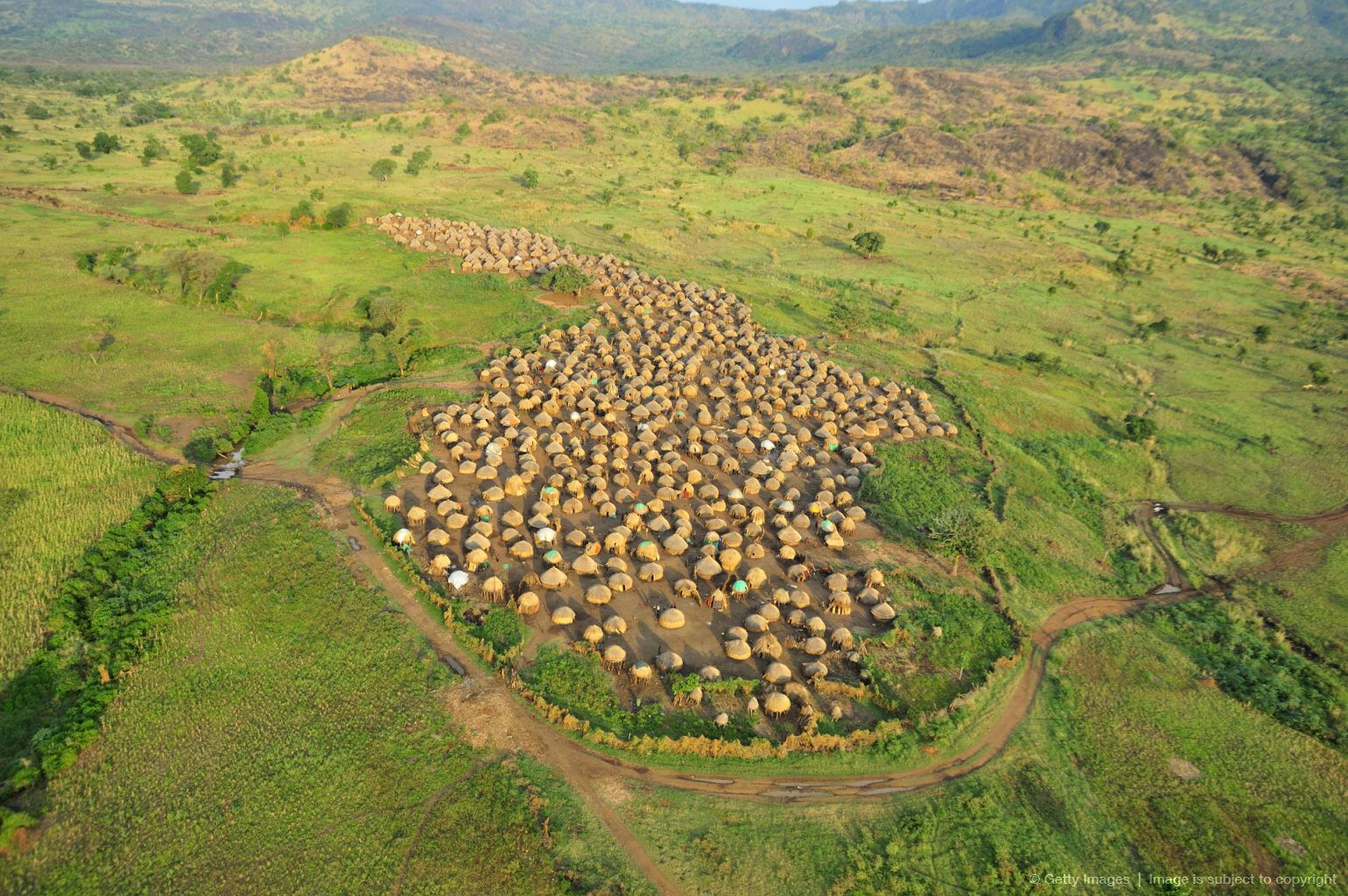
The Great Nile Migration is one of Africa’s most remarkable wildlife phenomena, involving millions of antelope moving across the vast grasslands, floodplains and wetlands of South Sudan. Taking place within the Boma–Badingilo Migratory Landscape, this extraordinary natural event is a major feature of the country’s wildlife heritage and one of the most significant large-mammal migrations on Earth.
Unlike the famous wildebeest migration of Kenya’s Maasai Mara and Tanzania’s Serengeti, the Great Nile Migration remains less familiar to many international travellers. Its immense herds of white-eared kob, tiang and Mongalla gazelle move through a largely connected ecosystem shaped by seasonal rainfall, flooding and the availability of grazing.
In July 2026, the Boma–Badingilo Migratory Landscape was inscribed on the UNESCO World Heritage List, becoming South Sudan’s first World Heritage Site. The recognition highlights the international importance of its wildlife, habitats and ecological processes.
For wildlife enthusiasts, birdwatchers and conservation researchers, the Great Nile Migration offers an opportunity to understand a different side of African wildlife. However, South Sudan’s current security situation means that researching the migration must be distinguished from planning an actual tourist expedition.
This guide explains where the migration takes place, which animals are involved, how seasonal movements work, why the landscape matters and what travellers should know before considering a visit.
What Is the Great Nile Migration?
The Great Nile Migration is the seasonal movement of millions of grazing mammals across the interconnected grasslands, wetlands and floodplains of eastern South Sudan and neighbouring areas of Ethiopia.
Comprehensive aerial surveys have documented approximately six million migratory antelope across the wider landscape. The principal species include white-eared kob, tiang and Mongalla gazelle, alongside other grazing mammals that depend on the region’s changing environmental conditions.
The migration is driven by several interconnected factors:
- Seasonal rainfall and the growth of fresh grass.
- Changes in the availability of water and grazing.
- Breeding cycles and the distribution of suitable habitats.
- Seasonal flooding across wetlands and floodplains.
- The need to move between feeding areas across a large ecological landscape.
Rather than following one fixed route, the animals move across extensive areas as environmental conditions change. The precise distribution of herds therefore varies between seasons and years.
This ecological flexibility is one reason the Great Nile Migration is so important. Large-scale movements depend on connected habitats, and the loss of migration corridors could disrupt the processes that sustain these wildlife populations.
Where Does the Great Nile Migration Take Place?
The Great Nile Migration occurs across the Boma–Badingilo Migratory Landscape in South Sudan. This extensive conservation area includes Boma National Park, Badingilo National Park and surrounding savannahs, wetlands, floodplains and wildlife corridors.
The wider landscape covers approximately 37,500 square kilometres and extends towards the Ethiopian border, connecting habitats that are important to migratory wildlife.
Boma National Park
Boma National Park lies in eastern South Sudan and protects extensive grasslands, woodland and seasonal wetland habitats.
It is an important part of the migration system, providing habitat for white-eared kob and other grazing mammals. The park’s ecological importance extends beyond its boundaries because wildlife movements depend on access to surrounding landscapes.
Learn more in our Boma National Park guide, which can be linked to the dedicated article on your website once published.
Badingilo National Park
Badingilo National Park forms another major part of the wider migration landscape. Its grasslands and floodplains support migratory antelope and other wildlife.
Together, Boma and Badingilo help protect an extensive ecosystem in which seasonal wildlife movements continue across a largely connected landscape.
The Wider Savannah and Wetland Landscape
The Great Nile Migration is not restricted to the boundaries of the two national parks. Surrounding floodplains, grasslands, wetlands and wildlife corridors are essential to the movement of animals across the region.
This is why the wider Boma–Badingilo Migratory Landscape received UNESCO World Heritage recognition. Its significance lies not only in individual protected areas but also in the connections between habitats.
Wildlife of the Great Nile Migration
The Great Nile Migration is primarily associated with large herds of grazing antelope. These animals form the foundation of the migration system and contribute to the ecological processes that sustain the surrounding grasslands.
1. White-Eared Kob
The white-eared kob is the most prominent species associated with the Great Nile Migration.
These antelope gather in large numbers across South Sudan’s grasslands and floodplains, moving in response to rainfall, vegetation growth and breeding cycles.
Their seasonal movements are central to the ecological importance of the Boma–Badingilo landscape. The animals require extensive areas of connected habitat, making the protection of migration corridors essential.
White-eared kob are also important to conservation research because aerial surveys and tracking programmes help researchers understand the scale and distribution of the migration.
2. Tiang
Tiang are antelope related to topi and are another major component of the migration.
They inhabit open grasslands and other suitable grazing areas, moving as conditions change across the landscape. Their presence alongside white-eared kob contributes to the remarkable concentrations of herbivores found in parts of the region.
Tiang also play an important ecological role by grazing vegetation and supporting the food chain for predators.
3. Mongalla Gazelle
The Mongalla gazelle is another characteristic species of South Sudan’s grassland ecosystems.
Like other migratory antelope, its distribution is influenced by the availability of food, water and suitable habitat. Its movements form part of the wider seasonal pattern that makes the Great Nile Migration an important conservation phenomenon.
4. Bohor Reedbuck
Bohor reedbuck is associated with the broader migratory ecosystem and habitats that include wetter grasslands.
The species adds to the diversity of grazing mammals in the region and illustrates why the migration landscape must be understood as a network of different habitats rather than a uniform stretch of savannah.
5. Predators and Other Large Mammals
The wider Boma–Badingilo Migratory Landscape also supports important wildlife populations, including African savannah elephants, lions, leopards, cheetahs, African wild dogs and Nubian giraffes.
These animals depend on the wider ecosystem, although their distribution varies by location. Their presence across the landscape does not guarantee that they will be encountered in a particular park or during a specific period.
The relationship between predators and grazing mammals is one of the processes that makes the region ecologically significant.
When Does the Great Nile Migration Take Place?
The Great Nile Migration is influenced by seasonal rainfall, flooding, grass growth and the availability of grazing. These factors determine where antelope concentrate and when they move between different parts of the landscape.
Unlike a migration marketed around predictable river crossings, the Great Nile Migration does not follow one fixed route with guaranteed viewing dates.
The timing of wildlife movements can vary from year to year, and different parts of the landscape may support large herds at different times.
How Rainfall Influences the Migration
Rainfall affects vegetation growth and the availability of fresh grass. As conditions change, grazing animals move towards areas that provide suitable food and water.
Flooding also influences the distribution of wildlife by changing the availability of grassland and access to particular habitats.
These changes create a dynamic pattern of movement across the wider landscape. Researchers use aerial surveys, wildlife tracking and field observations to understand the relationships between seasonal conditions and animal movements.
Is There a Best Month to See the Great Nile Migration?
There is no single month that can be recommended universally for viewing the migration.
The best ecological conditions for observing wildlife depend on current animal movements, local rainfall and the location of herds. Reliable information from conservation teams is more useful than assuming that the migration follows a predictable calendar.
Furthermore, favourable wildlife conditions do not necessarily mean that tourism access is available or safe. Anyone researching a future visit must check current official travel advice and confirm whether the proposed area can lawfully and safely be accessed.
Why Is the Great Nile Migration So Important?
The Great Nile Migration is important because it represents one of the largest remaining terrestrial mammal migration systems in the world.
Its significance extends beyond the number of animals involved. The migration depends on a functioning ecosystem in which grasslands, wetlands, floodplains and wildlife corridors remain connected.
International Conservation Significance
In July 2026, UNESCO inscribed the Boma–Badingilo Migratory Landscape on the World Heritage List.
The designation recognises the scale of the migration, the ecological processes that sustain it and the importance of protecting the wider landscape.
The property was also placed on the List of World Heritage in Danger at the time of inscription. This highlights the need for stronger protection and long-term conservation measures.
Ecological Benefits
Migratory grazing animals influence vegetation, nutrient cycling and the distribution of resources across the landscape.
Their movements also support predators and scavengers, contributing to a complex food web.
By moving between habitats, large herbivores help maintain ecological processes across areas that would be difficult to protect effectively through isolated reserves alone.
Importance to Local Communities
The wider landscape is home to communities with long-standing relationships to its natural resources.
Pastoralism, livestock keeping, farming and fishing contribute to local livelihoods and cultural heritage. Seasonal changes in rainfall and grazing influence both wildlife movements and human activities.
Effective conservation therefore requires collaboration with local communities and recognition of their knowledge, rights and livelihood needs.
Birdwatching During the Great Nile Migration
Although the Great Nile Migration is best known for its antelope, the wider landscape is also important for birds.
Its wetlands, grasslands and woodlands provide habitat for waterbirds, raptors, vultures and other bird species. Different habitats support different bird communities, making the wider region relevant to ornithologists and conservation researchers.
African Parks has reported monitoring vulture populations in the Boma–Badingilo conservation area, including evidence of breeding activity among hooded vultures.
Birdwatching opportunities depend on the location, season and accessibility of individual habitats. A dedicated birding expedition would require current information about species distribution, authorised access and local guiding arrangements.
For tourism operators, this is a potential subject for future destination research rather than a reason to promise a currently bookable birding tour.
Threats Facing the Great Nile Migration
Despite its international conservation importance, the Great Nile Migration faces several challenges.
Poaching and Illegal Hunting
Illegal hunting can reduce wildlife populations and disrupt the ecological balance of the landscape. Effective monitoring, law enforcement and cooperation with communities are important for reducing these threats.
Habitat Fragmentation
Infrastructure development and changes in land use can interrupt wildlife movements when migration corridors are blocked or degraded.
Because the migration extends across a vast area, protecting the ecological connections between habitats is essential.
Human-Wildlife Pressures
People and wildlife depend on many of the same natural resources, including land and water. Conservation planning must consider local livelihoods and work with communities to reduce conflicts.
Security and Conservation Challenges
Insecurity creates additional difficulties for wildlife monitoring, conservation operations and the development of responsible tourism.
Protecting such a large landscape requires long-term investment, trained personnel, reliable infrastructure and cooperation among government authorities, conservation organisations and local communities.
How Can the Great Nile Migration Be Experienced by Travellers?
The Great Nile Migration attracts interest from wildlife enthusiasts, photographers, researchers and people seeking to understand lesser-known African ecosystems.
However, the existence of a remarkable wildlife spectacle does not automatically make it an accessible tourist attraction.
Before considering an expedition, travellers and tour operators would need to establish whether access is permitted, whether travel is consistent with current security advice, and whether appropriate transport, accommodation and local support are available.
Responsible planning should include:
- Checking current government travel advisories.
- Confirming park access and any required permissions.
- Verifying local operating conditions and available services.
- Establishing appropriate medical and emergency arrangements.
- Confirming that insurance covers the destination and planned activities.
- Working with legitimate local professionals where travel is possible.
No tour operator should guarantee wildlife encounters or market an itinerary without verifying its operational feasibility.
Great Nile Migration vs. the Great Wildebeest Migration
The Great Nile Migration is sometimes compared with the Great Wildebeest Migration in East Africa. Both involve large-scale movements of grazing mammals, but they occur in different ecosystems and involve different species.
| Feature | Great Nile Migration | Great Wildebeest Migration |
|---|---|---|
| Main location | South Sudan and the wider borderland ecosystem towards Ethiopia | Serengeti–Mara ecosystem in Tanzania and Kenya |
| Principal species | White-eared kob, tiang and Mongalla gazelle | Blue wildebeest, plains zebra and other grazing mammals |
| Main ecological drivers | Seasonal rainfall, flooding and grazing availability | Seasonal rainfall, grass growth and water availability |
| Conservation landscape | Boma–Badingilo Migratory Landscape | Serengeti National Park, Maasai Mara and connected ecosystems |
| Tourism context | Limited and heavily constrained by current security conditions | Established safari tourism infrastructure |
The two migrations demonstrate the importance of connected habitats for large herbivores. However, their routes, species and practical tourism conditions are different.
For travellers comparing African wildlife destinations, the Great Nile Migration is an important conservation story, but it should not be presented as a readily interchangeable alternative to the established Serengeti–Mara safari circuit.
Can the Great Nile Migration Be Included in a South Sudan Safari?
The Great Nile Migration is an important feature of South Sudan’s natural heritage, but any proposed safari requires careful assessment.
As of October 2026, the UK Foreign, Commonwealth & Development Office advises against all travel to South Sudan because of armed violence and criminality. Other governments have also issued warnings against travel.
Consequently, the migration should primarily be presented as a wildlife and conservation subject for educational purposes unless and until current conditions support responsible travel.
Tour operators should not accept bookings or advertise confirmed departures based solely on the presence of wildlife, the availability of a local contact or the publication of an itinerary online.
Any future tourism development should be based on current official advice, verified permissions, suitable operating arrangements and respect for local communities.
Frequently Asked Questions About the Great Nile Migration
Where is the Great Nile Migration located?
The migration takes place across the Boma–Badingilo Migratory Landscape in South Sudan, including Boma National Park, Badingilo National Park and surrounding grasslands, wetlands and floodplains.
How many animals take part in the Great Nile Migration?
Comprehensive surveys have documented approximately six million migratory antelope across the wider landscape. The main species include white-eared kob, tiang and Mongalla gazelle.
What is the Great Nile Migration famous for?
It is known for its extraordinary scale and the movement of millions of antelope across an extensive, connected ecosystem. It is one of the world’s most significant remaining terrestrial mammal migrations.
When is the best time to see the Great Nile Migration?
There is no universally reliable viewing month. Wildlife movements depend on seasonal rainfall, flooding and grazing conditions, and the location of herds changes over time.
Is the Great Nile Migration in Sudan or South Sudan?
The Great Nile Migration takes place in South Sudan, primarily across the Boma–Badingilo Migratory Landscape. It should not be confused with Sudan’s Blue Nile region.
Is the Great Nile Migration a UNESCO World Heritage Site?
Yes. The Boma–Badingilo Migratory Landscape was inscribed on the UNESCO World Heritage List in July 2026. The property was also placed on the List of World Heritage in Danger, highlighting the need for strengthened protection.
Is it safe to visit the Great Nile Migration?
As of October 2026, the UK government advises against all travel to South Sudan because of armed violence and criminality. Travellers should consult the latest advice from their own government and should not assume that a wildlife expedition can be arranged safely.
Final Thoughts
The Great Nile Migration is one of South Sudan’s most important natural treasures. Its millions of migratory antelope, extensive grasslands and interconnected wetlands illustrate the importance of protecting large, functioning ecosystems.
The 2026 UNESCO World Heritage inscription of the Boma–Badingilo Migratory Landscape has brought international recognition to this remarkable conservation area, while its inclusion on the List of World Heritage in Danger highlights the challenges involved in protecting it.
For wildlife enthusiasts and tourism professionals, the Great Nile Migration deserves a place in discussions of Africa’s natural heritage alongside the continent’s better-known wildlife spectacles. Its future depends on effective conservation, connected habitats and meaningful engagement with local communities.
For now, accurate information, responsible communication and attention to official security advice are essential when researching South Sudan as a potential travel destination.
Pingback: Badingilo National Park: Wildlife, Migration & Safari Guide