National Parks in Rwanda: Complete Guide to Rwanda’s Four National Parks
Everything you need to know about the four national parks in Rwanda. Rwanda is a small, landlocked country in East-Central Africa known for its beautiful landscapes, rolling hills, green countryside and remarkable biodiversity. Often referred to as the “Land of a Thousand Hills,” Rwanda offers an impressive combination of mountains, tropical forests, savannah plains, wetlands, lakes and rich cultural heritage. Despite its relatively small size, the country has developed a strong reputation as one of Africa’s important wildlife and conservation destinations.
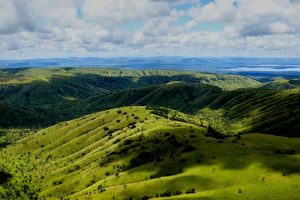
Rwanda is home to four national parks: Volcanoes National Park, Nyungwe National Park, Akagera National Park, and Gishwati-Mukura National Park. Each park offers a different wildlife experience, making it possible for travelers to combine mountain gorilla trekking, chimpanzee tracking, savannah game drives, bird watching, forest walks and cultural experiences on the same Rwanda safari.
Rwanda’s national parks are also important for conservation. The country lies within the Albertine Rift, one of Africa’s most biologically diverse regions. Its protected areas provide habitats for endangered mountain gorillas, chimpanzees, golden monkeys, lions, elephants, rhinoceroses, buffaloes and hundreds of bird species. The four parks therefore play an important role not only in tourism but also in protecting Rwanda’s natural heritage.
In recent years, Rwanda has continued to invest in conservation and responsible tourism. Nyungwe National Park was inscribed on the UNESCO World Heritage List in 2023, while the Gishwati-Mukura landscape was designated a UNESCO Biosphere Reserve in 2020. These recognitions demonstrate the international importance of Rwanda’s forests and biodiversity.
1. Volcanoes National Park
Volcanoes National Park is located in northwestern Rwanda, in the Musanze area, and forms part of the magnificent Virunga Mountain range. The park covers approximately 160 square kilometres and is one of Rwanda’s most famous tourism destinations.
Volcanoes National Park is internationally renowned for its population of endangered mountain gorillas. It is one of only three places in the world where travelers can participate in guided mountain gorilla trekking, alongside Bwindi Impenetrable National Park and Mgahinga Gorilla National Park in Uganda, and the Virunga landscape in the Democratic Republic of Congo.
The park is part of the wider Virunga Massif, which is shared by Rwanda, Uganda and the Democratic Republic of Congo. The landscape contains a chain of volcanic mountains, several of which are found within or around the protected area. Volcanoes National Park includes five of the eight major volcanoes of the Virunga Massif: Mount Karisimbi, Mount Bisoke, Mount Muhabura, Mount Gahinga and Mount Sabyinyo.
Mount Karisimbi is the highest of the volcanoes in the range, rising to approximately 4,507 metres above sea level. Its high-altitude slopes are covered by montane vegetation, bamboo forests, subalpine vegetation and other habitats that support a variety of wildlife.
Famous Attractions in Volcanoes National Park
The most famous attraction in Volcanoes National Park is undoubtedly mountain gorilla trekking. Visitors hike through the montane forests in search of habituated gorilla families. Once a family is located, tourists can observe the gorillas as they feed, rest, play and interact with one another.
Mountain gorilla trekking is more than a wildlife activity. It is also an important conservation experience. Rwanda’s mountain gorilla population has increased significantly over the past decades, and tourism revenue contributes to conservation and communities surrounding the park. Rwanda’s current tourism model places considerable emphasis on linking wildlife protection with community development.
The park is also home to golden monkeys, another endangered primate associated with the Virunga mountains. Golden monkey trekking provides a different experience from gorilla trekking because these lively primates often move quickly through the bamboo forest and can be fascinating to watch as they feed and interact.
Other animals found in the park include buffaloes, bushbucks, black-fronted duikers, forest elephants and several other forest species, although sightings of many of these animals are less predictable than gorilla or golden monkey sightings. Volcanoes National Park is also an excellent destination for bird watching. The Virunga ecosystem supports numerous Albertine Rift bird species, making the park attractive to bird enthusiasts as well as primate and mountain hikers.
Unique Features of Volcanoes National Park
One of the most important features of Volcanoes National Park is its association with Dian Fossey, the celebrated primatologist who devoted many years to studying mountain gorillas. Dian Fossey established the Karisoke Research Center in the Virunga Mountains in 1967. Her research contributed significantly to global knowledge about mountain gorillas and helped draw international attention to their conservation.
Visitors can hike to the Dian Fossey grave and former research center, where she was buried alongside several of the gorillas she studied. The experience provides an opportunity to learn about her research, conservation work and the history of mountain gorilla protection in the Virunga region.
Activities in Volcanoes National Park
Gorilla trekking remains the principal activity, but visitors can enjoy several other experiences. Golden monkey trekking is particularly popular, while mountain hiking provides another way to explore the volcanic landscape.
Mount Bisoke hiking is one of the best-known mountain excursions. The hike takes travelers through changing vegetation zones toward the summit, where a beautiful crater lake can be found. Hiking times vary depending on fitness, trail conditions and the pace of the group. Visitors can also hike other volcanoes, including Mount Muhabura, although these hikes are physically demanding and require preparation. Cultural experiences are another important part of a visit to the area. Travelers can visit communities around the park and learn about Rwandan traditions, music, dance, food and local livelihoods.
2. Nyungwe National Park
Nyungwe National Park is located in southwestern Rwanda and is one of the most important rainforest ecosystems in the Albertine Rift. Covering approximately 101,900 hectares, or about 1,019 square kilometres, Nyungwe is one of the largest remaining protected montane forests in the region.
Nyungwe is one of Africa’s oldest rainforests and is exceptionally rich in biodiversity. It contains more than a dozen primate species, hundreds of bird species, numerous orchids and hundreds of butterfly species. In 2023, Nyungwe National Park became Rwanda’s first site to be inscribed on the UNESCO World Heritage List because of its exceptional natural importance.
The forest provides habitat for chimpanzees, colobus monkeys, L’Hoest’s monkeys, blue monkeys and many other species. Its steep mountains, deep valleys, streams and dense vegetation create a spectacular environment for nature lovers.
Famous Attractions in Nyungwe National Park
One of the most popular activities in Nyungwe is chimpanzee tracking. Visitors walk through the forest accompanied by experienced guides and trackers in search of habituated chimpanzee communities.
Chimpanzees are highly intelligent primates and observing them in the forest provides an opportunity to see their natural behaviours. They may be seen feeding in trees, communicating with one another, moving through the canopy or travelling along the forest floor. Nyungwe is also known for its primate diversity. In addition to chimpanzees, visitors may encounter black-and-white colobus monkeys, L’Hoest’s monkeys, blue monkeys and other primates.
One of the most spectacular experiences in Nyungwe is the canopy walkway. The elevated walkway takes visitors above the forest floor and provides panoramic views across the treetops and surrounding mountain landscape. It is an excellent activity for travelers interested in photography, forest scenery and bird watching.
Unique Features of Nyungwe National Park
One of Nyungwe’s most interesting features is its network of wetlands, valleys and mountain streams. Kamiranzovu Marsh is one of the best-known wetlands in the forest and plays an important ecological role.
The forest is also famous for its birds. Species associated with the Albertine Rift can make Nyungwe particularly rewarding for bird watchers. Great blue turacos, Rwenzori turacos and several other forest birds may be encountered during guided walks. Nyungwe also forms part of an important watershed. Its forests help regulate water flow and provide valuable ecosystem services to communities in Rwanda and the wider region.
Another attraction around the forest is Rwanda’s tea-growing landscape. Tea estates near Nyungwe provide opportunities for travelers to learn about tea cultivation, processing and the importance of tea production to local communities.
Activities in Nyungwe National Park
Chimpanzee tracking is the main wildlife activity, while guided forest walks provide opportunities to explore the rainforest more slowly. The canopy walkway is another major attraction and can be combined with other forest activities. Bird watching is particularly rewarding because of Nyungwe’s high diversity of forest and Albertine Rift species. Nature walks can take visitors through different parts of the forest, where guides explain the vegetation, wildlife and ecological importance of the ecosystem.
Waterfalls are also found within the Nyungwe landscape, and hiking to waterfalls can add another dimension to a forest safari. The combination of hiking, primate tracking, bird watching and scenic viewpoints makes Nyungwe one of Rwanda’s most diverse destinations.
3. Akagera National Park
Akagera National Park is located in eastern Rwanda along the country’s border with Tanzania. Unlike the mountainous forests of Volcanoes and Nyungwe, Akagera is dominated by savannah, woodland, wetlands and lakes, making it Rwanda’s principal traditional safari destination. The park covers approximately 1,122 square kilometres and contains a network of lakes and wetlands connected by the Akagera River system.
Akagera has undergone an important conservation transformation over recent decades. Lions and black rhinoceroses were reintroduced to the park, restoring species that had disappeared from Rwanda for many years. Today, Akagera is recognized as a Big Five safari destination, with opportunities to see lions, leopards, elephants, buffaloes and rhinoceroses.
Famous Attractions in Akagera National Park
The Big Five are among the major attractions of Akagera National Park. Visitors on game drives can search for elephants, buffaloes, lions, leopards and rhinos.
However, the park offers much more than the Big Five. Other wildlife includes giraffes, zebras, hippos, antelopes, warthogs and numerous smaller mammals. The park’s lakes and wetlands are particularly important for aquatic wildlife. Lake Ihema is one of the most popular places for boat trips and provides excellent opportunities to see hippos, crocodiles, water birds and other wetland species. Akagera is also an important birding destination. Its combination of savannah, woodland, wetlands and lakes creates habitats for a wide range of bird species.
Unique Features of Akagera National Park
Akagera is unique because it provides a completely different wildlife experience from Rwanda’s forest parks. Instead of trekking through dense montane forest, visitors explore open savannah landscapes where animals can sometimes be easier to spot.
The park’s extensive wetlands are another defining feature. Lakes, papyrus swamps and the Akagera River create a productive ecosystem that supports large numbers of birds and aquatic animals. Its location close to Tanzania also makes the wider landscape ecologically important. However, rather than describing the park simply as a wildlife migration corridor, it is more accurate to emphasize its importance as part of the broader ecosystem along Rwanda’s eastern border.
Activities in Akagera National Park
Game drives are the main activity. Morning, afternoon and full-day game drives allow visitors to explore different areas of the park in search of wildlife. A boat safari on Lake Ihema is another popular activity. From the water, visitors can observe hippos, crocodiles and water birds at relatively close range while enjoying the scenery of the surrounding wetlands.
Bird watching is also excellent, particularly around lakes, wetlands and woodland areas. Guided nature experiences can provide additional opportunities to learn about Akagera’s vegetation, conservation history and wildlife. Combining game drives with a boat cruise allows travelers to experience both the terrestrial and aquatic sides of the park.
4. Gishwati-Mukura National Park
Gishwati-Mukura National Park is Rwanda’s fourth national park and is located in the western part of the country. It is made up of two separate forest blocks, Gishwati Forest and Mukura Forest, situated along the Congo-Nile Divide.
The park is relatively small compared with Nyungwe and Akagera, but its ecological importance is considerable. Gishwati-Mukura is part of the highly biodiverse Albertine Rift and provides habitat for chimpanzees, monkeys, birds and numerous forest species. The park was legally established through legislation in 2015 and gazetted in 2016. Its creation was part of a wider effort to restore and protect forests that had experienced significant human pressure, including deforestation, agricultural expansion and settlement.
Famous Attractions in Gishwati-Mukura National Park
One of the main attractions is its primate population. Chimpanzees occur in the forest, alongside golden monkeys, blue monkeys and L’Hoest’s monkeys. The park therefore offers opportunities for visitors interested in primates and forest ecosystems. Bird watching is also an important activity. The forests provide habitat for a range of Albertine Rift bird species, including species that are difficult to find elsewhere. The relatively small size of the park can be an advantage for travelers looking for a quieter forest experience away from some of Rwanda’s more established tourism destinations.
Unique Features of Gishwati-Mukura National Park
The most distinctive feature of Gishwati-Mukura is its history of forest restoration and conservation. Both Gishwati and Mukura forests suffered significant degradation over the years. Conservation programs have worked to restore forest cover, improve habitat connectivity and protect biodiversity.
In 2020, the wider Gishwati-Mukura landscape was designated a UNESCO Biosphere Reserve. The designation recognizes the importance of the landscape for biodiversity conservation while also encouraging sustainable development and research.
The forests are located along the ridge separating the Congo and Nile water catchment systems, giving them importance beyond wildlife conservation. They contribute to water regulation, soil protection and the ecological health of the surrounding landscape.
Activities in Gishwati-Mukura National Park
Visitors can explore Gishwati-Mukura through guided nature walks and forest hikes. These activities allow travelers to learn about the forest’s plants, animals and restoration history. Primate experiences are another attraction, particularly for visitors interested in chimpanzees and other monkeys.
Bird watching can also be combined with hiking and nature walks. A knowledgeable guide can help identify different bird species and explain their ecological importance. Visitors may also learn about forest restoration and the relationship between conservation and local communities. This makes Gishwati-Mukura particularly interesting for travelers who want to understand how degraded landscapes can be restored and protected.
What is the Best Time to Visit Rwanda’s National Parks?
Rwanda can be visited throughout the year, although the best time depends on the activities you want to undertake.
The relatively drier periods are often preferred for gorilla trekking, chimpanzee tracking, hiking and game drives because trails can be easier to navigate and roads in some areas are less muddy. However, Rwanda’s forests can receive rainfall at any time of year, and rain is part of what keeps the country’s landscapes green.
The wet seasons can also offer advantages. Vegetation becomes lush, waterfalls are more impressive and some wildlife experiences can be particularly rewarding. Bird watching can also be excellent because many species are active and breeding during different periods of the year. For gorilla trekking, the most important consideration is being prepared for changing mountain weather. Even during traditionally drier months, rain can occur in Volcanoes National Park because of its high elevation.
Combining Rwanda’s Four National Parks
One of the advantages of visiting Rwanda is that the country’s four national parks offer very different experiences. A traveler interested in primates can combine Volcanoes National Park and Nyungwe National Park for mountain gorilla and chimpanzee experiences. Those interested in classic African wildlife can add Akagera National Park for game drives, lions, elephants, rhinos, buffaloes and other savannah species. Gishwati-Mukura can be included for travelers interested in forest conservation, primates, bird watching and community-based tourism.
A longer Rwanda safari can therefore combine mountain landscapes, rainforests, savannah plains and wetlands in one relatively compact destination. Rwanda’s conservation approach also means that national parks are increasingly connected to wider tourism and community-development initiatives. The country’s tourism revenue-sharing program, for example, channels a portion of national park revenue into projects benefiting communities around protected areas. This connection between conservation, tourism and local communities is particularly important because protected areas cannot exist independently of the people living around them.
Conclusion
Rwanda may be a small country, but its four national parks offer a remarkable range of wildlife and nature experiences. Volcanoes National Park is internationally famous for mountain gorilla trekking and the volcanic landscapes of the Virunga Mountains. Nyungwe National Park protects an ancient rainforest filled with chimpanzees, other primates, birds, orchids and butterflies. Akagera National Park provides Rwanda’s classic savannah safari experience, including opportunities to see the Big Five and explore Lake Ihema by boat. Gishwati-Mukura National Park represents an important story of forest restoration and biodiversity conservation in the Albertine Rift.
Together, these four parks demonstrate Rwanda’s extraordinary diversity. From the misty slopes of the Virunga volcanoes to the ancient forests of Nyungwe and the open savannahs of Akagera, travelers can experience very different ecosystems within one country.
Rwanda’s national parks are also important beyond tourism. They protect endangered wildlife, preserve forests, safeguard water catchments, support biodiversity and provide economic opportunities for communities. Nyungwe’s UNESCO World Heritage status and Gishwati-Mukura’s Biosphere Reserve designation further highlight the international importance of Rwanda’s natural heritage.
For travelers planning a Rwanda safari, combining two or more of these national parks can create a diverse itinerary that includes gorilla trekking, chimpanzee tracking, wildlife viewing, bird watching, hiking, boat cruises and cultural experiences. Rwanda’s compact geography makes it possible to experience several of these attractions during a single well-planned trip.