Northern Tanzania Safari Circuit: Best Parks, Wildlife, Costs and Travel Guide
The Northern Tanzania Safari Circuit is one of Africa’s most rewarding wildlife safari routes, connecting Serengeti National Park, Ngorongoro Crater, Tarangire National Park, Lake Manyara National Park and Arusha National Park. Famous for the Great Wildebeest Migration, Big Five wildlife encounters, remarkable landscapes and authentic cultural experiences, the northern circuit attracts travellers seeking some of Tanzania’s finest wildlife adventures. Its well-established safari routes make it suitable for first-time visitors, families, photographers, honeymooners and experienced safari enthusiasts.
A Northern Tanzania safari allows travellers to witness vast wildebeest herds crossing the Serengeti plains, search for black rhinos inside Ngorongoro Crater and observe elephants beneath ancient baobab trees in Tarangire. Visitors can also enjoy guided walking safaris, birdwatching, Maasai cultural experiences and scenic drives through the Great Rift Valley. This comprehensive guide explains the best places to visit, safari costs, recommended itineraries, accommodation options, wildlife experiences and the best time to explore northern Tanzania.
1. What Is the Northern Tanzania Safari Circuit?
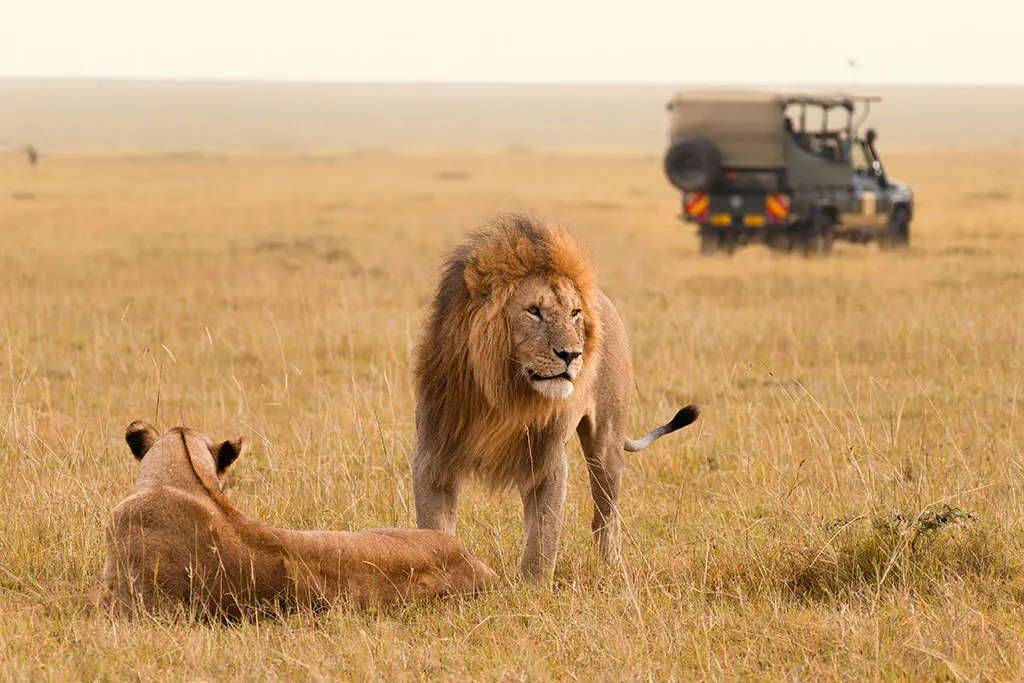
The Northern Tanzania Safari Circuit is a network of national parks, conservation areas and wildlife destinations located across northern Tanzania, with Arusha serving as the main safari gateway. The circuit brings together several of Africa’s most celebrated wildlife ecosystems, including the endless Serengeti plains, the volcanic Ngorongoro Highlands and Tarangire’s elephant-rich landscapes. Travellers can explore multiple parks within one itinerary while experiencing different habitats, wildlife species and cultural attractions.
Unlike Tanzania’s Southern Safari Circuit, which includes destinations such as Nyerere National Park and Ruaha National Park, the northern circuit offers established road connections between its principal attractions. Visitors can combine wildlife game drives, cultural excursions, walking safaris and luxury lodge experiences without requiring domestic flights between every destination. However, distances remain considerable, especially when travelling to remote areas of the Serengeti, making careful itinerary planning essential.
Main destinations on the Northern Tanzania Safari Circuit
| Safari destination | Major attractions | Suggested visit |
|---|---|---|
| Serengeti National Park | Great Migration, lions, cheetahs, leopards | 3–5 days |
| Ngorongoro Crater | Big Five, black rhinos, volcanic scenery | 1 day |
| Tarangire National Park | Elephants, baobabs, birdwatching | 1–2 days |
| Lake Manyara National Park | Forest wildlife, birds, Rift Valley scenery | 1 day |
| Arusha National Park | Walking safaris, Mount Meru, Momella Lakes | 1 day |
| Lake Natron | Flamingos, waterfalls, volcanic landscapes | 1–2 days |
| Lake Eyasi | Hadzabe and Datoga cultural experiences | 1 day |
The five national park and conservation destinations form the classic northern safari route, while Lake Natron and Lake Eyasi provide optional extensions.
2. Best National Parks to Visit on the Northern Tanzania Safari Circuit
The best national parks in northern Tanzania offer different wildlife experiences, landscapes and activities. Serengeti National Park attracts travellers interested in the Great Migration and large predators, while Ngorongoro Crater provides outstanding wildlife viewing within a relatively compact area. Tarangire offers exceptional elephant encounters, Lake Manyara attracts birdwatchers and Arusha National Park provides opportunities for guided walking safaris. Combining several destinations creates a more varied Tanzania safari experience.
Serengeti National Park – Home of the Great Wildebeest Migration
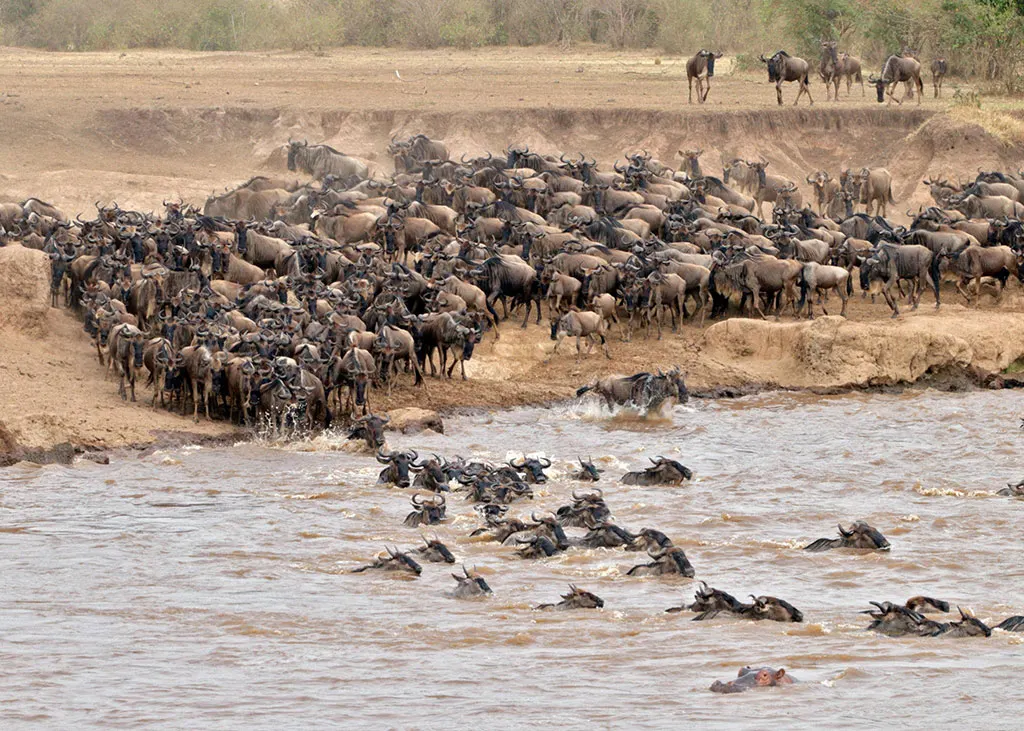
Serengeti National Park is the centrepiece of many Northern Tanzania Safari Circuit itineraries and one of Africa’s most celebrated wildlife destinations. Covering approximately 14,763 square kilometres, the park features expansive grasslands, rocky kopjes, river systems and scattered woodlands. These habitats support lions, leopards, cheetahs, elephants, giraffes, buffaloes, zebras and numerous antelope species. The Serengeti also forms part of the larger Serengeti–Mara ecosystem, where millions of grazing animals move seasonally.
The Great Wildebeest Migration makes the Serengeti particularly famous. Huge herds of wildebeest, accompanied by zebras and other grazing animals, move through the ecosystem in search of fresh pasture and water. Predators follow the herds, creating remarkable opportunities to observe hunting behaviour, newborn animals and dramatic river crossings. Because migration movements depend on rainfall, travellers should choose their Serengeti accommodation according to the season and expected herd locations.
Top things to do in Serengeti National Park
-
Wildlife game drives: Explore open savannahs and woodland habitats while searching for lions, leopards, cheetahs, elephants, giraffes and other wildlife.
-
Great Migration safaris: Follow seasonal wildebeest movements through the southern, central, western or northern Serengeti, depending on rainfall and travel dates.
-
Hot-air balloon safaris: Enjoy an early-morning flight above the plains, followed by a bush breakfast where available.
-
Wildlife photography: Photograph big cats, grazing herds, dramatic landscapes and spectacular African sunrises.
The best time to visit Serengeti National Park depends on your preferred wildlife experience. January to March often brings calving activity to the southern Serengeti and Ndutu ecosystem, while July to October is popular for searching for migrating herds near the Mara River. Central Serengeti offers rewarding resident wildlife viewing throughout the year, making it an excellent choice for travellers whose dates do not coincide with major migration concentrations.
Ngorongoro Crater – One of Africa’s Greatest Wildlife Destinations
Ngorongoro Crater is among the most spectacular attractions on the Northern Tanzania Safari Circuit. Formed by the collapse of an ancient volcano, this enormous caldera covers approximately 260 square kilometres and contains grasslands, wetlands, forests and a seasonal lake. Its varied habitats support a remarkable concentration of wildlife, including lions, elephants, buffaloes, hippos, zebras, wildebeest and endangered black rhinos. The crater’s dramatic scenery also makes it one of Tanzania’s most photographed landscapes.
A Ngorongoro Crater safari normally begins early in the morning, when visitors descend from the crater rim to explore the floor in a four-wheel-drive vehicle. The relatively compact wildlife habitat increases opportunities for sightings, although no particular animal is guaranteed. Travellers can observe grazing herbivores, search for predators and enjoy views of the crater walls. Most itineraries allocate several hours to game viewing before continuing to the next destination.
Top attractions and activities in Ngorongoro
-
Crater game drives: Search for lions, buffaloes, elephants, hippos and black rhinos while exploring the crater’s grasslands and wetlands.
-
Crater rim viewpoints: Admire panoramic views of the volcanic caldera and photograph one of East Africa’s most remarkable natural landscapes.
-
Olduvai Gorge: Explore an important archaeological and palaeoanthropological site associated with discoveries about early human evolution.
-
Maasai cultural experiences: Learn about Maasai traditions and pastoral life through responsibly organised community visits.
Ngorongoro Crater remains an excellent destination throughout the year, although rainfall influences vegetation, visibility and road conditions. Travellers should distinguish between Ngorongoro Crater and the wider Ngorongoro Conservation Area, which includes highland landscapes, archaeological sites and other natural attractions. Spending a night near the crater rim or in the surrounding highlands can make an early morning descent more convenient.
Tarangire National Park – Elephants and Ancient Baobab Trees
Tarangire National Park is one of the most rewarding destinations for elephant viewing on the Northern Tanzania Safari Circuit. Located southwest of Arusha, the park covers approximately 2,850 square kilometres and features ancient baobab trees, grasslands, woodlands and seasonal wetlands. The Tarangire River provides an important source of water, particularly during the dry season, when elephants and other wildlife gather near the river and remaining water sources.
Tarangire offers a different safari experience from the Serengeti’s open plains. Its distinctive landscapes provide beautiful settings for wildlife photography, while its varied habitats support giraffes, zebras, buffaloes, wildebeest, impalas, lions and numerous bird species. Visitors can encounter elephant families moving through the woodlands or feeding near the river. The park’s quieter areas also reward travellers who enjoy observing wildlife behaviour rather than rushing between sightings.
Best things to do in Tarangire National Park
-
Elephant viewing: Observe elephant families gathering near water sources, feeding among baobab trees and moving through the park’s woodlands.
-
Wildlife game drives: Search for lions, giraffes, buffaloes, zebras, wildebeest and other mammals across the park’s varied habitats.
-
Birdwatching: Discover a remarkable diversity of resident and migratory birds, including raptors, hornbills, bee-eaters and waterbirds.
-
Safari photography: Capture elephants, baobab silhouettes, riverine scenery and beautiful sunrise or sunset landscapes.
The dry season, generally June to October, offers particularly rewarding wildlife viewing because animals often concentrate around permanent water sources. However, Tarangire remains attractive during greener months, when vegetation becomes lush and birdwatching opportunities improve. Travellers planning a classic Northern Tanzania safari should consider spending at least one full day in Tarangire, although two days provide more time to explore different habitats.
Lake Manyara National Park – Forest Wildlife and Birdwatching
Lake Manyara National Park offers a distinctive combination of groundwater forest, open grassland, woodland and alkaline lake habitats. Located beneath the dramatic Great Rift Valley escarpment, the park provides scenic landscapes and rewarding wildlife encounters. Visitors may see elephants, giraffes, buffaloes, baboons, blue monkeys and numerous bird species. Lake Manyara is also associated with tree-climbing lions, although these animals are difficult to locate and sightings remain unpredictable.
Birdwatching is one of the main attractions of a Lake Manyara safari. Depending on seasonal water levels and ecological conditions, the lake attracts flamingos, pelicans, storks and other waterbirds. The surrounding forest provides habitat for additional bird species and primates. The park’s compact size makes it suitable for a day visit, particularly when travelling between Tarangire, Karatu and Ngorongoro.
Activities in Lake Manyara National Park
-
Game drives: Explore forest roads and open habitats while looking for elephants, buffaloes, giraffes, baboons and occasionally lions.
-
Birdwatching: Search for flamingos, pelicans, hornbills, kingfishers and other birds in suitable habitats around the park.
-
Landscape photography: Capture the Rift Valley escarpment, forest scenery and views of Lake Manyara.
-
Guided activities: Consider authorised walking or other specialist experiences where park regulations and current operating arrangements permit.
Lake Manyara can be visited throughout the year, although wildlife distribution and bird concentrations change with rainfall and lake conditions. Travellers should understand that flamingo numbers vary considerably, and tree-climbing lions are never guaranteed. The park is particularly worthwhile for visitors who appreciate varied habitats, birdlife and scenic landscapes alongside traditional big-game viewing.
Arusha National Park – Walking Safaris and Mount Meru
Arusha National Park is an excellent introduction to the Northern Tanzania Safari Circuit, especially for travellers spending time in Arusha before visiting the larger wildlife parks. Located near the city, the park features Mount Meru, the Momella Lakes, forest habitats and the Ngurdoto Crater. Its varied landscapes support giraffes, buffaloes, zebras, warthogs, monkeys and numerous bird species, providing a different experience from the Serengeti and Tarangire.
Unlike some of Tanzania’s larger safari destinations, Arusha National Park is particularly well known for guided walking safaris. Visitors can explore designated areas on foot with authorised guides and rangers while learning about wildlife tracks, vegetation and smaller natural features. The park also provides opportunities for scenic game drives and canoeing on the Momella Lakes when authorised and available.
Top activities in Arusha National Park
-
Guided walking safaris: Explore designated trails with qualified guides while learning about the park’s wildlife, plants and natural history.
-
Game drives: Search for giraffes, buffaloes, zebras, monkeys and birds while travelling through forests and open grasslands.
-
Canoeing excursions: Enjoy views of wildlife and birdlife from the Momella Lakes where canoeing activities are operating.
-
Mount Meru trekking: Arrange a separate multi-day climb for travellers interested in hiking Tanzania’s second-highest mountain.
Arusha National Park is suitable for a full-day excursion before or after a longer Tanzania wildlife safari. Its location makes it convenient for travellers arriving through Kilimanjaro International Airport or staying in Arusha. On clear days, visitors may also enjoy distant views of Mount Kilimanjaro, although weather conditions frequently affect mountain visibility.
3. Other Places to Visit on a Northern Tanzania Safari
Beyond the classic national parks, northern Tanzania offers several fascinating destinations for travellers interested in cultural experiences, volcanic landscapes and less-visited attractions. Lake Natron, Lake Eyasi and the Ngorongoro Highlands can add variety to a traditional wildlife safari. These extensions are particularly suitable for visitors planning eight to twelve days or those who have previously explored the main national parks.
Lake Natron – Flamingos and Volcanic Landscapes
Lake Natron lies in northern Tanzania near the Kenyan border and offers one of the region’s most unusual landscapes. This highly alkaline lake plays an important role in the breeding ecology of lesser flamingos in East Africa. Its surrounding scenery includes volcanic mountains, dry plains and dramatic escarpments. Travellers visiting Lake Natron can enjoy birdwatching, landscape photography and guided excursions to nearby natural attractions.
Popular activities include visiting suitable flamingo-viewing areas, exploring the Ngare Sero waterfalls and admiring Ol Doinyo Lengai, an active volcano considered sacred by the Maasai. Experienced hikers may arrange a challenging guided climb when conditions and local regulations permit. Lake Natron requires additional travel time and careful logistical planning, making it better suited to extended northern Tanzania itineraries.
Lake Eyasi – Hadzabe and Datoga Cultural Experiences
Lake Eyasi is a seasonal lake situated south of the Ngorongoro Highlands, surrounded by landscapes inhabited by several communities, including the Hadzabe and Datoga. Travellers visit the area to learn about traditional livelihoods, local customs and the relationship between communities and their environment. Responsible cultural experiences can provide valuable insight into the diversity of northern Tanzania beyond its famous wildlife parks.
Some organised visits include meeting Hadzabe community members, learning about traditional hunting and gathering practices or observing Datoga metalworking skills. Travellers should choose operators who arrange visits with community consent, respect local customs and ensure fair compensation. Lake Eyasi can be included as a day excursion from the Karatu area or as part of a longer cultural safari.
4. The Great Wildebeest Migration in Northern Tanzania
The Great Wildebeest Migration is one of the main reasons travellers choose the Northern Tanzania Safari Circuit. Each year, enormous herds of wildebeest, accompanied by zebras and other grazing animals, move through the Serengeti–Mara ecosystem in response to seasonal rainfall and fresh grass. The migration follows a continuous cycle rather than a fixed calendar, creating different wildlife experiences throughout the year.
Travellers often associate the Great Migration with dramatic Mara River crossings, but the annual movement includes several equally fascinating stages. The southern Serengeti attracts large concentrations of animals during calving season, while the western corridor and northern Serengeti provide opportunities to observe moving herds. Understanding these seasonal patterns helps travellers select appropriate accommodation and plan a more rewarding migration safari.
Great Migration calendar in Tanzania
| Months | Typical migration location | Wildlife experience |
|---|---|---|
| January–March | Southern Serengeti and Ndutu | Calving season and predator activity |
| April–May | Central and western Serengeti | Moving herds and green landscapes |
| June–July | Western corridor and Grumeti region | Herd movements and possible river crossings |
| July–October | Northern Serengeti and Mara ecosystem | Mara River crossing opportunities |
| November–December | Eastern and southern Serengeti | Southward movements and fresh grazing |
These locations represent general seasonal patterns rather than guaranteed movements. Rainfall can cause the herds to arrive earlier or later than expected.
When Is the Best Time to See the Great Migration?
The best time to see the Great Wildebeest Migration depends on the experience you want. Travellers interested in wildebeest calving should generally consider January to March in the southern Serengeti and Ndutu ecosystem. Those hoping to witness Mara River crossings often target July to October, although crossings occur unpredictably and cannot be guaranteed. Wildlife enthusiasts who prefer fewer visitors may also enjoy migration-related game viewing during transitional months.
For a successful migration safari, the location of your accommodation matters as much as the travel season. A lodge situated several hours from the expected herds can reduce your game-viewing time. Epic Uganda Vacation recommends choosing camps according to seasonal migration patterns and allowing multiple days in the relevant Serengeti region whenever possible.
5. Best Time to Visit the Northern Tanzania Safari Circuit
The best time to visit the Northern Tanzania Safari Circuit depends on wildlife interests, rainfall, accommodation budgets and preferred activities. Northern Tanzania offers rewarding safaris throughout the year, but seasonal changes influence animal movements, road conditions and visitor numbers. The dry season generally provides excellent wildlife viewing, while greener months attract photographers, birdwatchers and travellers interested in the wildebeest calving season.
June to October – Best for General Wildlife Viewing
June to October is one of the most popular periods for a Northern Tanzania safari because the weather is generally drier and wildlife often gathers around permanent water sources. Tarangire becomes particularly rewarding for elephant viewing, while Ngorongoro Crater and the Serengeti continue to provide excellent opportunities to observe large mammals. The northern Serengeti also attracts travellers hoping to witness the Great Migration near the Mara River.
January to March – Best for Calving Season
January to March is particularly attractive for travellers interested in the wildebeest calving season in the southern Serengeti and Ndutu ecosystem. Large herds gather on nutrient-rich grasslands when rainfall conditions are favourable, creating opportunities to observe newborn wildebeest and predator activity. Green landscapes, dramatic skies and excellent photographic conditions make this period popular with wildlife photographers and travellers interested in animal behaviour.
April to May – Green Season and Fewer Visitors
April and May generally bring the long rains to northern Tanzania, creating lush landscapes and greener vegetation. Although heavy rainfall can affect road conditions and make some remote areas difficult to access, wildlife viewing remains possible in several destinations. Travellers may encounter fewer safari vehicles and find seasonal accommodation offers, although some camps close temporarily. This period can suit flexible visitors who appreciate quieter surroundings and scenic photography.
November to December – Short Rains and Birdwatching
November and December often bring short seasonal rains, refreshing the vegetation and encouraging wildlife movements toward new grazing areas. The Serengeti migration may begin moving toward the eastern and southern plains, depending on rainfall patterns. Birdwatching can be particularly rewarding as migratory species arrive, while green landscapes provide attractive photography opportunities. Visitors should allow flexibility because rainfall can influence driving conditions and wildlife distribution.
Northern Tanzania Safari Circuit: Month-by-Month Guide
| Month | General conditions | Main safari interest |
|---|---|---|
| January | Green season | Southern Serengeti migration |
| February | Green landscapes | Wildebeest calving |
| March | Increasing rainfall | Calving and predator activity |
| April | Long rains | Photography and fewer visitors |
| May | Wet conditions | Green landscapes and wildlife |
| June | Beginning of drier season | Tarangire and western Serengeti |
| July | Dry season | Migration and general wildlife |
| August | Dry season | Northern Serengeti and Mara River |
| September | Dry season | Migration and elephant viewing |
| October | Late dry season | Wildlife concentrations |
| November | Short rains | Birdwatching and migration movement |
| December | Green season | Serengeti wildlife and photography |
6. How Many Days Do You Need for a Northern Tanzania Safari?
The ideal duration of a Northern Tanzania safari depends on the number of parks you want to visit, your available budget and your wildlife priorities. Travellers with limited time can explore Tarangire, Lake Manyara and Ngorongoro Crater over several days. However, those planning to visit the Serengeti should allow additional time because the park is extensive and travelling between different wildlife regions can take several hours.
3-Day Northern Tanzania Safari
A three-day Northern Tanzania safari is suitable for travellers with limited time who want an introduction to the region’s wildlife. A practical itinerary may combine Tarangire National Park, Lake Manyara National Park and Ngorongoro Crater, depending on arrival arrangements. Visitors can enjoy elephant viewing, Rift Valley landscapes and a crater game drive. However, three days generally provide insufficient time for a relaxed Serengeti experience.
4–5-Day Northern Tanzania Safari
A four- or five-day safari allows travellers to explore selected destinations at a more comfortable pace. Popular combinations include Tarangire, Ngorongoro Crater and central Serengeti, although driving distances require careful planning. Visitors can enjoy several game drives, experience different habitats and spend at least one or two nights near major wildlife areas. This duration works well for travellers who want a classic Tanzania safari without a lengthy holiday.
6–7-Day Northern Tanzania Safari
A six- or seven-day Northern Tanzania Safari Circuit itinerary offers a balanced introduction to the region’s principal attractions. Travellers can combine Tarangire, Ngorongoro Crater and Serengeti National Park while allowing sufficient time for wildlife viewing. Spending multiple nights in the Serengeti improves opportunities to observe predators and explore different habitats. This duration is particularly suitable for first-time visitors, couples and families seeking a comprehensive wildlife experience.
8–10-Day Northern Tanzania Safari
An eight- to ten-day safari provides greater flexibility for travellers interested in the Great Migration, wildlife photography and additional destinations. Visitors can spend more time in different Serengeti regions, explore Lake Manyara or Arusha National Park and include cultural excursions. Longer itineraries also reduce the pressure of changing accommodation frequently, making them attractive for families, honeymooners and photographers who prefer a relaxed safari pace.
7. Recommended 7-Day Northern Tanzania Safari Circuit Itinerary
A seven-day Northern Tanzania safari itinerary provides an excellent introduction to Tanzania’s most famous wildlife destinations. This sample route begins in Arusha and combines Tarangire National Park, Ngorongoro Crater and Serengeti National Park. It balances wildlife viewing with travel time and can be adjusted according to migration movements, accommodation preferences and international flight arrangements.
Day 1: Arrival at Kilimanjaro International Airport – Transfer to Arusha
Arrive at Kilimanjaro International Airport, where your safari driver-guide will welcome you and transfer you to your accommodation in Arusha. Depending on your arrival time, you can relax at the lodge or explore selected attractions around the city. Your guide will provide a safari briefing, explain the planned route and answer questions about wildlife viewing, park regulations and travel arrangements.
Overnight: Arusha.
Day 2: Arusha to Tarangire National Park – Wildlife Game Drive
After breakfast, depart Arusha and travel toward Tarangire National Park, a journey that typically takes approximately two to three hours to the park entrance, depending on traffic and road conditions. Enter the park for a game drive through baobab-dotted landscapes and riverine habitats. Search for elephants, giraffes, zebras, buffaloes, antelopes and predators while enjoying the park’s distinctive scenery.
Overnight: Tarangire area or Karatu, depending on the route.
Day 3: Tarangire Area to Ngorongoro Crater – Crater Game Drive
Begin the day with breakfast before travelling toward the Ngorongoro Conservation Area. Descend into Ngorongoro Crater for a wildlife game drive, exploring grasslands, wetlands and woodland habitats. Look for lions, buffaloes, elephants, hippos and the endangered black rhinoceros. Enjoy a packed lunch at an authorised picnic area before ascending from the crater and continuing to your accommodation.
Overnight: Ngorongoro Highlands or Karatu.
Day 4: Ngorongoro Highlands to Serengeti National Park
After breakfast, depart for Serengeti National Park, travelling through the Ngorongoro Conservation Area and enjoying views of the surrounding highlands. Depending on the selected route and available time, you may arrange an optional visit to Olduvai Gorge. Continue toward the Serengeti, where wildlife viewing begins as you enter suitable game-viewing areas. Search for grazing herds, giraffes and predators before reaching your lodge or tented camp.
Overnight: Serengeti National Park.
Day 5: Full-Day Wildlife Safari in Serengeti National Park
Spend the day exploring the Serengeti with your professional safari guide. Depending on wildlife movements and your accommodation location, you may enjoy morning and afternoon game drives or a full-day excursion with a packed lunch. Search for lions, cheetahs, leopards, elephants, zebras and migrating wildebeest. Your guide will select suitable routes based on recent sightings, seasonal conditions and your wildlife interests.
Overnight: Serengeti National Park.
Day 6: Serengeti Wildlife Viewing and Optional Balloon Safari
Enjoy another day in the Serengeti, allowing time to explore different wildlife habitats and improve your opportunities for memorable sightings. Travellers interested in photography can focus on predators, large herbivore herds and scenic landscapes. An optional early-morning hot-air balloon safari may be arranged at an additional cost. Alternatively, spend the day following wildlife movements with your driver-guide.
Overnight: Serengeti National Park.
Day 7: Serengeti to Arusha – Departure or Safari Extension
After breakfast, prepare for your onward journey. You may take a scheduled domestic flight from a suitable Serengeti airstrip to Arusha or another destination, depending on flight availability. Alternatively, return to Arusha by road, allowing a full travel day. Travellers can connect with international flights where schedules permit or extend their holiday to Zanzibar, Uganda or another East African destination.
Important: This seven-day itinerary is a sample. For travellers returning by road from central Serengeti to Arusha, the final day involves a long drive. An additional overnight stay or domestic flight can create a more comfortable schedule.
8. How Much Does a Northern Tanzania Safari Cost?
The Northern Tanzania safari cost depends on the number of travel days, accommodation standard, season, group size and transportation arrangements. Private safaris generally cost more per person for solo travellers or couples because they cover the vehicle and guide expenses independently. Larger groups can share certain costs, while luxury lodges, domestic flights and specialist activities increase the overall price.
Estimated Northern Tanzania safari prices
The following figures are broad planning estimates in US dollars per person, based on two adults sharing accommodation on a private safari. They are not confirmed quotations and may change substantially according to season, park fees, accommodation and inclusions.
| Safari duration | Budget | Mid-range | Luxury |
|---|---|---|---|
| 3 days | $750–$1,200 | $1,100–$1,800 | $1,800–$3,000+ |
| 5 days | $1,300–$2,000 | $1,900–$3,000 | $3,200–$5,500+ |
| 7 days | $1,900–$2,900 | $2,800–$4,500 | $4,500–$8,000+ |
| 10 days | $2,800–$4,200 | $4,000–$6,500 | $6,500–$12,000+ |
These estimates assume typical safari arrangements and should not be treated as fixed rates. Park fees, conservation charges, concession fees and accommodation taxes may affect the final quotation. Travellers should request an itemised proposal showing exactly what the safari includes.
What Determines the Cost of a Northern Tanzania Safari?
Several factors influence the final price of a Tanzania northern circuit safari. The number of parks visited affects conservation and entrance charges, while accommodation location determines transport requirements. Travel during peak migration months can increase lodge prices, particularly in popular Serengeti regions. Optional activities such as hot-air balloon flights, domestic transfers and private specialist guides also increase costs.
The main safari cost factors include:
-
Accommodation category: Budget campsites, mid-range tented camps and luxury lodges offer different levels of comfort, service and pricing.
-
Travel season: Peak migration periods and popular holiday months often attract higher accommodation rates.
-
Group size: Travellers sharing a safari vehicle can divide certain transport and guiding expenses.
-
Safari duration: Longer itineraries increase accommodation, guiding and park-related expenses.
-
Optional activities: Balloon safaris, specialist excursions and domestic flights usually cost extra.
What Is Included in a Northern Tanzania Safari Package?
A well-organised Northern Tanzania safari package commonly includes accommodation, meals during the safari, transportation in a four-wheel-drive vehicle, professional guiding services and specified park entrance fees. Many operators also provide airport transfers and drinking water during game drives. However, inclusions vary considerably, so travellers should review the itinerary carefully before making a payment.
International flights, visa fees, travel insurance, gratuities, alcoholic beverages and optional activities are often excluded unless specifically mentioned. Domestic flights and special conservation charges may also require separate payment. Epic Uganda Vacation recommends comparing safari quotations based on accommodation standards, park access, vehicle arrangements, guiding services and included activities rather than choosing solely by the lowest advertised price.
9. Accommodation on the Northern Tanzania Safari Circuit
Accommodation on the Northern Tanzania Safari Circuit ranges from basic camping facilities to comfortable tented camps and exclusive luxury safari lodges. Travellers can choose properties inside national parks, within designated conservation areas or near park entrances. The best accommodation depends on travel dates, preferred comfort, budget and the wildlife regions included in the itinerary.
Budget Safari Accommodation
Budget accommodation is suitable for travellers who prioritise wildlife viewing and affordable safari experiences. Options may include public campsites, simple guesthouses and basic tented camps. Facilities vary, but travellers can generally expect practical sleeping arrangements and access to essential services. Budget camping safaris often involve shared facilities and simpler meals, while some packages include a cook and camping equipment.
Mid-Range Safari Lodges and Tented Camps
Mid-range accommodation provides a balance between comfort, location and affordability. Many lodges and tented camps offer private bathrooms, comfortable beds, dining facilities and scenic surroundings. Travellers can enjoy the atmosphere of the African wilderness without paying premium luxury rates. Mid-range accommodation is particularly popular with couples, families and first-time safari visitors planning multi-day northern Tanzania itineraries.
Luxury Safari Lodges and Camps
Luxury accommodation offers spacious rooms or tented suites, attentive service, high-quality dining and attractive wildlife settings. Some properties provide private decks, plunge pools, spa facilities or exclusive game-viewing arrangements. Luxury travellers can select camps located near seasonal migration areas or lodges overlooking dramatic landscapes. However, accommodation location remains essential because even the most luxurious property cannot guarantee particular wildlife sightings.
Should You Stay Inside or Outside the National Parks?
Staying inside a national park can reduce travel time to game-viewing areas and provide greater opportunities for early-morning wildlife activities. However, accommodation within protected areas may attract additional concession or conservation charges. Lodges outside park boundaries can offer competitive prices and convenient access to nearby attractions, although travellers may spend additional time driving to entrance gates.
For Serengeti migration safaris, choosing accommodation near the expected herd locations is especially important. Travellers focusing on Ngorongoro Crater may prefer lodges near the crater rim or in Karatu, depending on budget and availability. A knowledgeable safari planner can recommend accommodation that balances cost, comfort and access to wildlife areas.
10. How to Get to the Northern Tanzania Safari Circuit
Most travellers begin their Northern Tanzania safari in Arusha, the region’s main tourism and safari operations centre. Kilimanjaro International Airport serves as an important arrival gateway, receiving international and regional flights. Arusha Airport also handles domestic services, including flights to selected safari airstrips. Visitors arriving through Dar es Salaam or Zanzibar can connect to northern Tanzania through available domestic flights.
Getting to Northern Tanzania by Air
Kilimanjaro International Airport lies between Arusha and Moshi and serves travellers visiting northern Tanzania. After arrival, visitors typically transfer to Arusha before beginning their safari. Domestic flights may connect Arusha, Kilimanjaro or other airports with Serengeti airstrips, depending on airline schedules and seasonal operations. Flying can reduce long road journeys and provide additional time for wildlife viewing.
Exploring Northern Tanzania by Road
Road safaris remain popular because they allow travellers to experience changing landscapes, rural communities and multiple national parks within one journey. A professional driver-guide normally operates a four-wheel-drive safari vehicle suitable for park roads. Travel times vary according to road conditions, weather, traffic and wildlife stops, so itineraries should allow sufficient time between destinations.
Approximate Driving Times from Arusha
| Destination | Approximate driving time |
|---|---|
| Tarangire National Park | 2–3 hours |
| Lake Manyara National Park | 2–3 hours |
| Ngorongoro Crater area | 3–4 hours to the highlands |
| Central Serengeti | 7–9 hours or longer |
| Arusha National Park | 45–90 minutes to the entrance |
Driving times are approximate and depend on the exact departure point, park entrance, road conditions and stops. Reaching the Ngorongoro Crater floor requires additional time beyond the drive to the highlands.
11. Wildlife Animals to See on a Northern Tanzania Safari
The Northern Tanzania Safari Circuit supports an extraordinary diversity of wildlife, ranging from large predators and grazing herbivores to primates, reptiles and colourful bird species. Different national parks provide opportunities to observe animals in distinct habitats. The Serengeti is famous for big cats and migrating herds, Ngorongoro Crater offers opportunities to search for black rhinos, while Tarangire is particularly rewarding for elephants.
Can You See the Big Five in Northern Tanzania?
Yes. Northern Tanzania is home to the African Big Five: lion, leopard, elephant, African buffalo and rhinoceros. Travellers may encounter lions, leopards, elephants and buffaloes in several northern circuit destinations, while Ngorongoro Crater is one of the most important locations for searching for black rhinos. However, rhinoceros sightings remain unpredictable, and no safari can guarantee encounters with all five species.
Other Wildlife Found in Northern Tanzania
Beyond the Big Five, northern Tanzania supports cheetahs, giraffes, zebras, wildebeest, hippos, hyenas, jackals, warthogs and numerous antelope species. The Serengeti’s open plains provide excellent opportunities to observe cheetahs, while Lake Manyara and Arusha National Park support monkeys and other forest-associated wildlife. Animal distribution varies between parks and seasons, making a multi-park itinerary particularly rewarding.
Birdwatching on the Northern Tanzania Safari Circuit
Northern Tanzania is also an excellent destination for birdwatching, with habitats ranging from alkaline lakes and wetlands to grasslands, forests and volcanic highlands. Birdwatchers can search for flamingos, ostriches, secretary birds, hornbills, bee-eaters, kingfishers, eagles and numerous other species. Tarangire and Lake Manyara are particularly rewarding for bird diversity, while Arusha National Park provides opportunities to observe forest and wetland birds.
12. Best Safari Activities in Northern Tanzania
Although traditional wildlife game drives remain the main attraction, the Northern Tanzania Safari Circuit offers numerous activities that enhance the overall safari experience. Travellers can combine wildlife viewing with balloon flights, guided walks, cultural visits and photography excursions. Choosing activities according to your interests helps create a more personalised itinerary, especially when travelling for seven days or longer.
Hot-Air Balloon Safaris in Serengeti
A Serengeti hot-air balloon safari offers a memorable perspective of Tanzania’s vast savannah landscapes. Flights generally begin around sunrise, allowing passengers to observe the plains from above while enjoying the changing morning light. Depending on the location and season, visitors may see grazing animals and scenic river systems. Balloon safaris usually require advance reservations and operate subject to weather and aviation conditions.
Guided Walking Safaris
Walking safaris allow visitors to explore designated wildlife habitats on foot under the supervision of qualified guides and authorised rangers. Arusha National Park is particularly well known for this activity, while other destinations may offer guided walks under specific regulations. Unlike vehicle-based game drives, walking safaris emphasise animal tracks, vegetation, birdlife and smaller ecological details, providing a different understanding of the African wilderness.
Maasai Cultural Experiences
Maasai cultural visits provide opportunities to learn about traditional pastoral livelihoods, local customs and community life in northern Tanzania. Travellers may visit community-managed cultural projects or participate in organised experiences that introduce Maasai traditions, crafts and storytelling. Responsible operators should arrange these visits with community consent and ensure that local participants benefit fairly from tourism activities.
Wildlife Photography Safaris
Northern Tanzania offers exceptional wildlife photography opportunities, from the Great Migration to dramatic volcanic landscapes and elephant herds. Photographers can plan specialised game drives around sunrise and late-afternoon light, when wildlife activity and photographic conditions may be favourable. A private safari vehicle provides flexibility for positioning, equipment and time spent observing particular animals. Longer stays in selected wildlife areas often produce better results than rushed itineraries.
13. Private vs Group Northern Tanzania Safari: Which Is Better?
Choosing between a private and group Northern Tanzania safari depends on your budget, preferred flexibility and travel style. Both options provide opportunities to explore Tanzania’s national parks, but they differ in vehicle arrangements, departure schedules and itinerary flexibility. Private safaris are particularly attractive for families, photographers and couples, while shared group tours may appeal to solo travellers and budget-conscious visitors.
| Private safari | Group safari |
|---|---|
| Dedicated safari vehicle and guide | Shared vehicle and guide |
| Flexible itinerary and stops | Fixed or semi-fixed itinerary |
| Suitable for families and photographers | Suitable for budget-conscious travellers |
| More control over daily activities | Less flexibility |
| Higher cost for small parties | Often lower cost per person |
A private safari allows travellers to spend additional time observing wildlife, adjust game-drive schedules and select accommodation according to personal preferences. Group safaris can reduce transport costs and provide opportunities to meet other travellers. However, participants must usually follow a shared schedule. Travellers should compare vehicle occupancy, guiding quality, accommodation and park access before deciding which arrangement best suits their needs.
14. What to Pack for a Northern Tanzania Safari
Packing appropriately helps travellers remain comfortable during early-morning game drives, warm afternoons and cooler evenings in the Ngorongoro Highlands. Northern Tanzania experiences different temperatures and rainfall patterns depending on altitude and season, so lightweight clothing and warm layers are both useful. Travellers should also prepare for dusty roads, strong sunlight and occasional rainfall, particularly during the green season.
Recommended Northern Tanzania safari packing list:
-
Comfortable clothing: Pack lightweight, neutral-coloured shirts, trousers and breathable clothing suitable for warm daytime temperatures.
-
Warm layers: Carry a fleece or jacket for early-morning game drives and cooler evenings, particularly around Ngorongoro.
-
Sun protection: Bring sunscreen, sunglasses and a wide-brimmed hat to protect against strong sunlight.
-
Wildlife equipment: Pack binoculars, a camera, spare batteries and sufficient memory cards for photography.
-
Personal essentials: Include insect repellent, personal medication, comfortable shoes, toiletries and a small daypack.
Travellers should also consider a waterproof jacket, especially during the rainy seasons. Those using domestic safari flights must check luggage restrictions because smaller aircraft may impose strict baggage weight and bag-type requirements. Avoid packing unnecessary heavy items, and confirm whether your accommodation provides laundry services during longer itineraries.
15. Can You Combine a Northern Tanzania Safari With Zanzibar?
Yes. Combining the Northern Tanzania Safari Circuit with Zanzibar creates one of East Africa’s most popular wildlife and beach holiday experiences. Travellers can spend several days exploring Serengeti National Park, Ngorongoro Crater and Tarangire before flying to Zanzibar for relaxation. The island offers beautiful beaches, marine activities, historic Stone Town and opportunities to experience Swahili coastal culture.
A typical Tanzania safari and Zanzibar holiday may include six or seven days exploring the northern circuit followed by three to five nights on Zanzibar. Travellers can choose beach resorts, boutique hotels or luxury accommodation depending on their preferences. Flight connections vary according to the final safari destination, and some itineraries allow departures directly from Serengeti airstrips to Zanzibar through available scheduled services.
16. Can You Combine Northern Tanzania With Uganda Gorilla Trekking?
Combining a Northern Tanzania safari with Uganda gorilla trekking offers an outstanding opportunity to experience East Africa’s diverse wildlife. Travellers can observe the Great Migration and big cats in the Serengeti before visiting Bwindi Impenetrable National Park to track endangered mountain gorillas. Additional activities may include chimpanzee tracking in Kibale National Park, boat safaris in Queen Elizabeth National Park and cultural encounters with local communities.
A combined Tanzania and Uganda safari generally requires additional travel days because the destinations are separated by considerable distances. Depending on flight schedules, travellers may connect through regional airports before continuing to Uganda’s gorilla trekking destinations. Gorilla permits should be arranged in advance because availability is limited, particularly during popular travel periods.
Suggested 12–14-Day Tanzania and Uganda Safari
| Days | Destination | Main experience |
|---|---|---|
| 1 | Arrival in Arusha | Safari briefing and relaxation |
| 2 | Tarangire National Park | Elephant viewing and game drives |
| 3 | Ngorongoro Crater | Big Five wildlife safari |
| 4–6 | Serengeti National Park | Great Migration and predators |
| 7 | Travel to Uganda | Regional flight connections |
| 8–9 | Kibale National Park | Chimpanzee tracking |
| 10 | Queen Elizabeth National Park | Wildlife viewing and boat safari |
| 11–12 | Bwindi Impenetrable National Park | Mountain gorilla trekking |
| 13–14 | Transfer and departure | Return to Entebbe or onward travel |
This is an illustrative itinerary. The exact duration and route depend on regional flight connections, gorilla permit availability and preferred accommodation. Some travellers may need additional transit nights to avoid rushed transfers.
17. Is the Northern Tanzania Safari Circuit Safe for Tourists?
The Northern Tanzania Safari Circuit is a well-established tourism region that welcomes visitors from around the world. Professional safari operators organise guided trips through national parks using suitable vehicles and experienced driver-guides. However, wildlife safaris involve natural hazards, changing road conditions and remote environments, so travellers should follow park regulations and their guides’ instructions throughout the journey.
Visitors should avoid approaching wild animals, leaving vehicles in unauthorised areas or walking around unfenced safari camps without guidance. Travellers should also carry appropriate travel insurance, follow current health recommendations and check official travel advisories before departure. Reputable safari operators provide clear information about emergency procedures, accommodation arrangements and practical precautions.
18. Responsible Tourism on the Northern Tanzania Safari Circuit
Responsible tourism plays an important role in protecting Tanzania’s wildlife habitats and supporting communities living around conservation areas. Visitors can contribute by choosing operators who respect park regulations, avoid disturbing wildlife and support environmentally responsible accommodation. During game drives, travellers should maintain appropriate distances from animals, avoid littering and never pressure guides to drive off designated routes or interfere with wildlife behaviour.
Community-based tourism also creates opportunities for travellers to support local livelihoods through respectful cultural visits, locally operated accommodation and responsibly organised activities. Visitors should ask how communities benefit from tourism and avoid experiences that exploit people or wildlife. Responsible safari planning helps preserve northern Tanzania’s natural and cultural heritage for future generations.
19. Frequently Asked Questions About the Northern Tanzania Safari Circuit
What Is the Northern Tanzania Safari Circuit?
The Northern Tanzania Safari Circuit is a collection of national parks and conservation areas in northern Tanzania, primarily accessed through Arusha. Its main destinations include Serengeti National Park, Ngorongoro Crater, Tarangire National Park, Lake Manyara National Park and Arusha National Park. The circuit is famous for the Great Wildebeest Migration, Big Five wildlife viewing, diverse landscapes and cultural experiences. Travellers can explore several parks within one itinerary, making it one of Tanzania’s most popular safari routes.
Which National Parks Are Included in the Northern Tanzania Safari Circuit?
The classic Northern Tanzania Safari Circuit includes Serengeti, Tarangire, Lake Manyara and Arusha national parks, together with the Ngorongoro Conservation Area. Each destination offers different wildlife habitats and experiences. Travellers may also extend their itinerary to Lake Natron, Lake Eyasi or other northern attractions. The best combination depends on available travel days, wildlife interests and budget, with Serengeti and Ngorongoro forming the foundation of many first-time Tanzania safaris.
What Is the Best Time to Visit the Northern Tanzania Safari Circuit?
The best time to visit the Northern Tanzania Safari Circuit depends on your wildlife interests. June to October generally offers excellent dry-season wildlife viewing, particularly in Tarangire and the Serengeti. January to March is popular for wildebeest calving in the southern Serengeti and Ndutu ecosystem. Birdwatchers and photographers may prefer greener months, while travellers hoping to witness Mara River crossings often consider July to October, although migration timing remains unpredictable.
How Many Days Are Enough for a Northern Tanzania Safari?
Seven days is an excellent duration for a classic Northern Tanzania safari covering Tarangire, Ngorongoro Crater and Serengeti National Park. Travellers with limited time can explore selected parks over three to five days, while eight to ten days provides greater flexibility for migration viewing, photography and cultural experiences. The ideal duration depends on your preferred route, accommodation locations and whether you want to explore remote areas of the Serengeti.
How Much Does a Northern Tanzania Safari Cost?
A Northern Tanzania safari can cost approximately $1,900–$2,900 per person for a seven-day budget private itinerary, while mid-range packages may cost around $2,800–$4,500 per person. Luxury safaris can cost considerably more, depending on accommodation and services. These are broad planning estimates rather than fixed quotations. The final price depends on travel dates, group size, park fees, accommodation standards, transportation and optional activities.
Can You See the Big Five on a Northern Tanzania Safari?
Yes. Northern Tanzania supports all five members of the African Big Five: lions, leopards, elephants, buffaloes and rhinoceroses. Serengeti National Park provides excellent opportunities to observe lions, leopards, elephants and buffaloes, while Ngorongoro Crater offers opportunities to search for endangered black rhinos. However, wildlife sightings depend on animal movements, weather conditions and luck. Travellers should never expect guaranteed encounters with every species during a single safari.
Is Serengeti or Ngorongoro Crater Better for Wildlife Viewing?
Both Serengeti National Park and Ngorongoro Crater provide outstanding wildlife experiences, but they offer different advantages. The Serengeti features expansive landscapes, large predator populations and the Great Wildebeest Migration, making it ideal for extended game drives. Ngorongoro Crater offers concentrated wildlife viewing within a dramatic volcanic setting and opportunities to search for black rhinos. Travellers with sufficient time should visit both destinations because their wildlife habitats and safari experiences complement each other.
Can I Visit the Northern Tanzania Safari Circuit on a Budget?
Yes. Budget-conscious travellers can explore the Northern Tanzania Safari Circuit through camping safaris, simpler lodges and carefully planned routes. Joining a shared group safari may reduce transportation and guiding costs, while travelling outside peak periods can sometimes provide better accommodation rates. However, park fees and conservation charges remain significant expenses. Travellers should compare package inclusions carefully to ensure that lower prices do not exclude essential services.
Is a Private Northern Tanzania Safari Better Than a Group Safari?
A private Northern Tanzania safari offers greater flexibility over game-drive schedules, accommodation choices and wildlife viewing priorities. It is particularly suitable for families, couples, photographers and travellers interested in the Great Migration. Group safaris may cost less per person because participants share transport and guiding expenses, but they generally follow fixed schedules. The best option depends on your budget, preferred travel pace and willingness to share the experience with other visitors.
Where Does the Northern Tanzania Safari Circuit Start?
Most Northern Tanzania safaris begin in Arusha, the region’s main safari gateway. Travellers commonly arrive through Kilimanjaro International Airport before transferring to Arusha for an overnight stay or onward journey. From Arusha, safari routes typically connect Tarangire, Lake Manyara, Ngorongoro and Serengeti National Park. Visitors can also arrange domestic flights to selected Serengeti airstrips, reducing driving time when exploring remote areas or planning shorter itineraries.
Can You Combine Northern Tanzania With Zanzibar and Uganda?
Yes. Travellers can combine the Northern Tanzania Safari Circuit with Zanzibar beach holidays, Uganda gorilla trekking or both destinations. A popular itinerary includes Serengeti wildlife viewing, Ngorongoro Crater, mountain gorilla trekking in Bwindi and relaxation on Zanzibar’s beaches. Such journeys require careful coordination of regional flights, accommodation and gorilla permits. Travellers should allow sufficient time between destinations to avoid rushed transfers and enjoy each experience comfortably.
20. Plan Your Northern Tanzania Safari Circuit With Epic Uganda Vacation
The Northern Tanzania Safari Circuit offers an extraordinary combination of wildlife, landscapes and cultural experiences. From following the Great Wildebeest Migration across the Serengeti to searching for black rhinos in Ngorongoro Crater and photographing elephants beneath Tarangire’s baobab trees, northern Tanzania provides unforgettable safari adventures throughout the year.
At Epic Uganda Vacation, we organise tailor-made Northern Tanzania safaris for couples, families, photographers and small groups. Whether you prefer a budget camping safari, a comfortable mid-range journey or a luxury wildlife experience, we can help design an itinerary around your travel dates, interests and accommodation preferences.
We can also combine your Tanzania safari with Uganda gorilla trekking, chimpanzee tracking, Rwanda wildlife experiences or a relaxing Zanzibar beach holiday.
Contact Epic Uganda Vacation for a personalised Northern Tanzania safari itinerary and quotation. Share your preferred travel dates, number of travellers, safari duration and accommodation budget, and we will help you plan your East African adventure.