Bwindi Impenetrable National Park: Complete Travel Guide
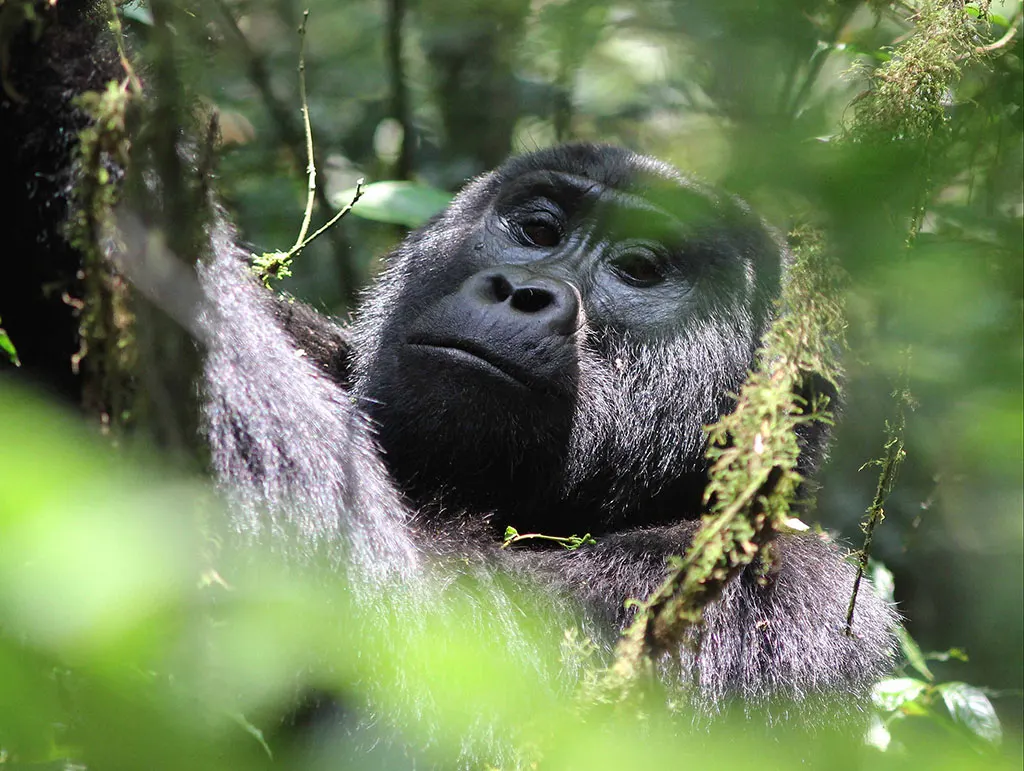
Bwindi Impenetrable National Park is one of Africa’s most extraordinary wildlife destinations, located in the mountainous rainforests of southwestern Uganda. Famous for endangered mountain gorillas, exceptional biodiversity and ancient tropical forests, the park attracts travellers seeking unforgettable gorilla trekking safaris, birdwatching adventures and authentic cultural experiences. This complete travel guide explores Bwindi’s location, history, gorilla families, trekking sectors, permit costs, best time to visit, accommodation, transport routes and essential information for planning a successful Uganda gorilla safari.
1. Bwindi Impenetrable National Park: Location, Facts and Overview
Bwindi Impenetrable National Park lies in southwestern Uganda along the eastern edge of the Albertine Rift Valley, close to the Democratic Republic of Congo and Rwanda. The park covers approximately 321 square kilometres of mountainous tropical rainforest and occupies elevations ranging from about 1,160 to 2,706 metres above sea level. Its remarkable landscape features steep forested ridges, deep valleys, waterfalls and dense vegetation that support an exceptional diversity of wildlife.
The park is particularly famous for protecting a substantial proportion of the world’s remaining mountain gorillas. However, Bwindi also supports forest elephants, chimpanzees, numerous monkey species, rare birds and an extraordinary variety of plants. Visitors can explore its biodiversity through carefully regulated gorilla trekking, guided nature walks, specialist birdwatching and community-based cultural experiences, making it one of Uganda’s most rewarding safari destinations.
Quick Facts About Bwindi Impenetrable National Park
| Feature | Details |
|---|---|
| Country | Uganda |
| Location | Southwestern Uganda |
| Established as a national park | 1991 |
| UNESCO World Heritage designation | 1994 |
| Approximate size | 321 square kilometres |
| Elevation | Approximately 1,160–2,706 metres |
| Main attraction | Endangered mountain gorillas |
| Gorilla trekking sectors | Buhoma, Ruhija, Rushaga and Nkuringo |
| Minimum gorilla trekking age | 15 years |
| Standard gorilla viewing time | Up to one hour |
| Gorilla habituation viewing time | Up to four hours |
| Main tourism activities | Gorilla trekking, birdwatching, forest walks and cultural experiences |
| Managing authority | Uganda Wildlife Authority |
2. History of Bwindi Impenetrable National Park
Bwindi’s conservation history began before its establishment as a national park. Parts of the forest received protected status during the colonial period, reflecting growing recognition of the area’s ecological importance. In 1991, Uganda officially established Bwindi Impenetrable National Park to strengthen protection for its mountain gorillas, forest habitats and other threatened wildlife species.
In 1994, UNESCO recognised Bwindi as a World Heritage Site because of its exceptional biodiversity and ecological significance. Gorilla tourism gradually became an important conservation activity, providing funding for wildlife protection and opportunities for surrounding communities. Today, the park represents a major example of how regulated wildlife tourism can support conservation while creating economic benefits for local populations.
Why Is Bwindi Called Impenetrable?
The name Bwindi is commonly associated with the idea of darkness or difficult passage through dense forest. The description reflects the park’s thick vegetation, tangled undergrowth, steep hills and ancient rainforest canopy. Before the development of established trails, moving through parts of the forest could be extremely difficult, particularly during periods of heavy rainfall.
Although visitors now explore designated trails with experienced guides, Bwindi retains much of its wild character. Mountain gorillas move freely through the vegetation, and trekking routes change according to their locations. The forest’s challenging terrain contributes to the sense of adventure that makes gorilla trekking in Bwindi different from conventional wildlife game drives.
3. Why Is Bwindi Impenetrable National Park Famous?
Bwindi Impenetrable National Park is internationally recognised as one of the most important habitats for endangered mountain gorillas. Visitors travel from around the world to observe these remarkable primates within their natural rainforest environment. Unlike gorillas living in zoos or sanctuaries, Bwindi’s gorillas move freely through mountainous forests while maintaining complex social relationships.
The park is also famous for its exceptional biodiversity, UNESCO World Heritage status and opportunities to observe rare Albertine Rift birds. Its ancient forest supports hundreds of bird species, numerous butterflies and a remarkable variety of trees and other plants. This combination of mountain gorilla conservation, rainforest ecology and specialist wildlife experiences makes Bwindi one of East Africa’s most distinctive national parks.
4. Mountain Gorillas in Bwindi Impenetrable National Park
Mountain gorillas are the main attraction of Bwindi Impenetrable National Park. These endangered primates belong to the eastern gorilla species and inhabit the mountainous forests of Uganda, Rwanda and the Democratic Republic of Congo. They live in social groups usually led by a dominant silverback, which helps protect the family and influences its daily movements.
A mountain gorilla family may include adult females, infants, juveniles and younger males. Family members spend much of their time feeding on vegetation, resting, grooming and interacting with one another. Young gorillas often display playful behaviour, while mature silverbacks maintain awareness of their surroundings. Observing these interactions in the wild is one of the most memorable experiences available during an African safari.
How Many Mountain Gorillas Live in Bwindi?
Bwindi protects a substantial proportion of the world’s mountain gorilla population, making it one of the most important conservation areas for the species. However, the exact population changes through births, deaths, natural movements and the results of periodic scientific surveys. Travellers should therefore distinguish between current census findings and older population estimates commonly repeated in tourism articles.
Mountain gorilla conservation has benefited from habitat protection, veterinary interventions, anti-poaching patrols and carefully managed tourism. Nevertheless, threats such as habitat pressure, disease transmission and human-wildlife conflict require continued attention. Visitors contribute to conservation through regulated trekking permits, which help support park management and local community programmes.
5. How Many Gorilla Trekking Sectors Are in Bwindi?
Bwindi Impenetrable National Park has four official gorilla trekking sectors: Buhoma, Ruhija, Rushaga and Nkuringo. Each sector occupies a different part of the rainforest and has its own trekking headquarters, habituated gorilla families, accommodation facilities and access routes. Understanding these differences helps travellers select a suitable trekking location and avoid unnecessary transfers between distant park entrances.
Although all four sectors offer opportunities to encounter mountain gorillas, their landscapes and tourism facilities differ. Buhoma is known for established lodges, Ruhija for birdwatching, Rushaga for numerous gorilla groups and habituation experiences, and Nkuringo for dramatic mountain scenery. Travellers should confirm their trekking sector before choosing accommodation because journeys between the different entrances can take several hours.
The Four Gorilla Trekking Sectors
| Sector | Location | Main Attraction | Suitable Travellers |
|---|---|---|---|
| Buhoma | Northern Bwindi | Established gorilla trekking and luxury lodges | First-time visitors |
| Ruhija | Eastern Bwindi | Gorilla trekking and specialist birdwatching | Birdwatchers and hikers |
| Rushaga | Southern Bwindi | Gorilla trekking and habituation experiences | Primate enthusiasts |
| Nkuringo | Southwestern Bwindi | Mountain gorillas and dramatic scenery | Adventurous travellers |
Buhoma Gorilla Trekking Sector
Buhoma lies in northern Bwindi and is the park’s oldest established gorilla trekking sector. Organised gorilla tourism began here in 1993, making the area historically important to Uganda’s conservation tourism industry. Buhoma offers well-developed visitor facilities, comfortable accommodation and convenient connections to Queen Elizabeth National Park.
The sector is particularly attractive to first-time gorilla trekkers and luxury travellers. Its established lodges include Sanctuary Gorilla Forest Camp, Buhoma Lodge and Mahogany Springs Lodge. Visitors can also arrange guided forest walks and community experiences. However, trekking difficulty depends on the gorillas’ daily location, and Buhoma does not guarantee a shorter or easier walk than other sectors.
Ruhija Gorilla Trekking Sector
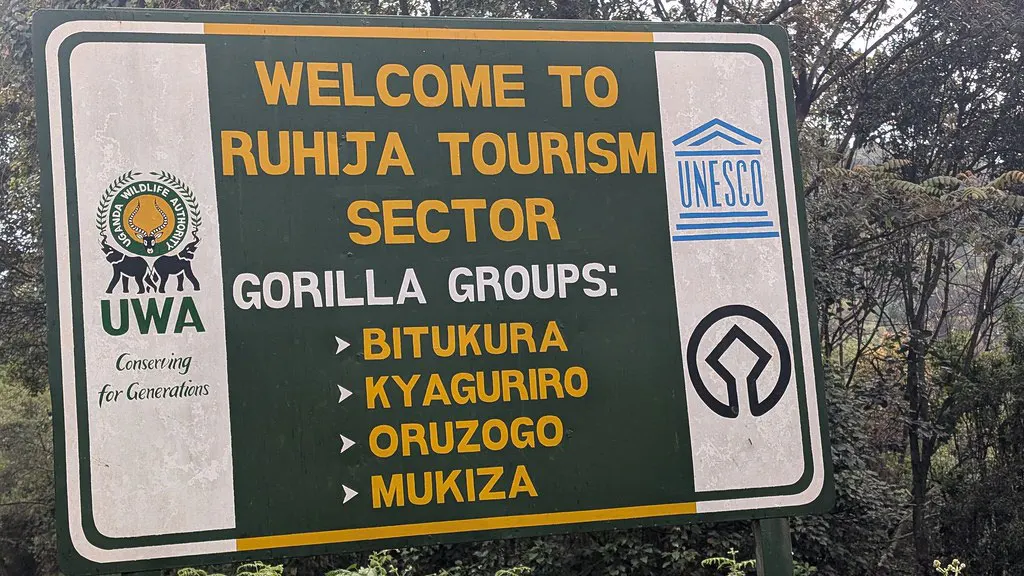
Ruhija occupies the eastern section of Bwindi Impenetrable National Park and is famous for its elevated rainforest environment and exceptional birdwatching opportunities. The sector features mist-covered hills, dense forest vegetation and scenic mountain landscapes. Travellers who appreciate quieter surroundings often consider Ruhija for its combination of gorilla trekking and specialist nature activities.
Ruhija is particularly attractive to birdwatchers interested in the Mubwindi Swamp trail and rare Albertine Rift species, including the African green broadbill. Accommodation options include Ruhija Gorilla Safari Lodge, Bakiga Lodge and Broadbill Forest Camp. The sector’s mountainous terrain can make trekking physically demanding, so visitors should prepare for steep slopes and changing weather.
Rushaga Gorilla Trekking Sector
Rushaga lies in southern Bwindi and is widely recognised for its numerous habituated mountain gorilla families. The sector attracts travellers interested in ordinary gorilla trekking and specialised gorilla habituation experiences. Its location also makes it convenient for visitors arriving from Kigali through Uganda’s southwestern border crossings.
Rushaga offers accommodation ranging from affordable forest camps to comfortable upscale lodges. Visitors can combine gorilla trekking with excursions around Lake Mutanda, Kisoro and Mgahinga Gorilla National Park. The sector is particularly suitable for primate enthusiasts who want to learn more about gorilla behaviour and conservation through extended wildlife experiences.
Nkuringo Gorilla Trekking Sector
Nkuringo occupies the southwestern section of Bwindi and is famous for its dramatic mountain scenery and challenging forest trails. The sector offers spectacular views toward the Virunga Volcanoes and surrounding highlands. Its elevated setting attracts adventurous travellers, photographers and visitors seeking peaceful accommodation overlooking the rainforest.
Nkuringo features upscale lodges such as Clouds Mountain Gorilla Lodge and Nkuringo Bwindi Gorilla Lodge. Travellers can combine gorilla trekking with scenic hiking and nearby cultural experiences. However, the sector’s steep terrain can make some treks physically demanding. Visitors should prepare appropriately and consider their fitness levels before selecting Nkuringo.
6. Gorilla Families in Bwindi Impenetrable National Park
Bwindi supports numerous mountain gorilla families distributed across its four trekking sectors. Each family has a unique history shaped by silverback leadership, births, deaths and natural group divisions. Some families have undergone habituation for ordinary tourism, while others remain under research, monitoring or specialised habituation arrangements.
The exact number of gorilla families available for tourism can change as groups divide and wildlife authorities update their management arrangements. Travellers should therefore avoid relying on historical family counts when booking permits. The Uganda Wildlife Authority determines which groups are available for trekking and allocates visitors according to current conservation and operational requirements.
Gorilla Families in Buhoma
Buhoma is associated with well-known gorilla families including Mubare, Habinyanja, Rushegura, Katwe and Binyindo. Mubare holds historical importance as the first gorilla family habituated for tourism in Uganda. Habinyanja and Rushegura also have interesting social histories involving leadership changes and natural group divisions.
Visitors trekking in Buhoma may observe gorillas feeding, grooming and interacting within the forest. However, family membership and tourism availability can change over time. Wildlife authorities determine which groups accept visitors, while trackers monitor their movements to guide trekking activities. Travellers should confirm current family availability rather than assuming that every historically recognised group remains open for tourism.
Gorilla Families in Ruhija
Ruhija is historically associated with the Bitukura, Oruzogo, Kyaguriro and Mukiza gorilla groups. Bitukura and Oruzogo are among the sector’s best-known tourist-habituated families, while Kyaguriro and Mukiza have important conservation and research histories. These groups demonstrate the complex social relationships that influence mountain gorilla family structures.
Not every historically recognised group necessarily participates in ordinary tourist trekking at the same time. Some groups may remain under specialised research or monitoring arrangements. Travellers should confirm current tourism allocations before requesting permits, particularly when researching older publications that list families without distinguishing between tourist and research groups.
Gorilla Families in Rushaga
Rushaga is associated with numerous gorilla families, including Nshongi, Mishaya, Bweza, Kahungye, Busingye, Bikingi, Mucunguzi and Rwigi. Several groups developed after larger families separated under different silverbacks, illustrating the natural changes that occur within mountain gorilla populations. The sector’s concentration of groups makes it an important destination for gorilla tourism.
Rushaga is also associated with specialised gorilla habituation experiences, which allow visitors to observe groups undergoing controlled habituation. However, the availability of individual families can change according to conservation requirements. Travellers should confirm the current number of tourism groups and the designated habituation arrangements before booking.
Gorilla Families in Nkuringo
Nkuringo is associated with habituated gorilla families including Nkuringo, Bushaho and Christmas. The Nkuringo family became available for tourism in 2004 and has a long history of conservation monitoring. Bushaho and Christmas developed through natural changes in gorilla social relationships, demonstrating how new families form over time.
Visitors trekking in Nkuringo may encounter gorillas within steep forested valleys and mountainous terrain. The actual walking distance depends on the family’s daily movements, making every trekking experience different. Wildlife authorities determine which groups accept visitors and manage tourism according to conservation regulations.
7. Best Things to Do in Bwindi Impenetrable National Park
Although mountain gorilla trekking is Bwindi’s most famous attraction, the park offers several additional activities for nature enthusiasts, photographers and adventurous travellers. Visitors can explore the rainforest through guided walks, specialist birdwatching excursions and community experiences. These activities provide opportunities to discover the park’s remarkable biodiversity beyond its endangered mountain gorillas.
Gorilla Trekking
Gorilla trekking is the most popular activity in Bwindi Impenetrable National Park. Visitors join experienced ranger guides and trackers to search for a habituated mountain gorilla family within the rainforest. The activity begins with an early morning briefing before participants enter the forest along routes determined by the gorillas’ latest known location.
Once the family is located, visitors spend up to one hour observing the gorillas under ranger supervision. The experience offers opportunities to witness natural feeding, grooming and social interactions. Trekking distances vary considerably, so visitors should prepare for potentially demanding walks through steep and muddy forest terrain.
Gorilla Habituation Experience
The gorilla habituation experience allows eligible visitors to spend up to four hours observing a gorilla group undergoing controlled habituation. The activity differs from ordinary trekking because participants accompany authorised wildlife professionals and observe the gradual process through which gorillas become accustomed to carefully managed human presence.
This specialised experience is particularly attractive to wildlife photographers, primate enthusiasts and travellers interested in conservation research. However, habituation groups may move unpredictably, making the activity physically demanding. Visitors must obtain a separate permit and confirm the designated sector before booking.
Birdwatching in Bwindi
Bwindi is one of Uganda’s most important birdwatching destinations, supporting hundreds of forest bird species, including several Albertine Rift endemics. Birdwatchers visit the park to search for rare species associated with mountainous tropical rainforest habitats. Experienced guides help visitors identify birds through their calls, behaviour and preferred forest environments.
Ruhija is particularly famous for specialist birdwatching, especially around the Mubwindi Swamp trail. Other areas of Bwindi also provide opportunities to observe forest birds. Visitors should allow sufficient time for birding excursions because dense vegetation and changing weather can make sightings challenging.
Guided Forest Nature Walks
Guided forest walks allow visitors to explore Bwindi’s rainforest ecosystem beyond mountain gorilla trekking. Experienced guides introduce travellers to forest plants, birds, butterflies and smaller wildlife species while explaining the ecological relationships that support the park’s biodiversity. Walking routes vary according to the selected sector and available trails.
These excursions appeal to nature photographers, birdwatchers and visitors who want to experience the rainforest at a slower pace. Some trails involve steep slopes and muddy sections, so travellers should prepare for changing conditions. Guided walks must follow authorised park routes and applicable conservation regulations.
Buhoma to Nkuringo Forest Walk
The Buhoma to Nkuringo forest walk offers an adventurous way to explore Bwindi on foot while travelling between different sections of the park. The route passes through mountainous rainforest and provides opportunities to observe birds, forest vegetation and scenic landscapes. It can also serve as an alternative to a longer road transfer between the two areas.
The walk requires advance arrangements, experienced guides and suitable physical preparation. Travellers should confirm the current authorised route, walking distance, permit requirements and porter arrangements before departure. Weather and trail conditions can affect the experience, making flexibility important when planning this activity.
Batwa Cultural Experiences
Batwa cultural experiences introduce visitors to aspects of the history, traditions and forest knowledge of communities with ancestral connections to the Bwindi region. Depending on the programme, activities may include storytelling, traditional demonstrations and discussions about the relationship between local communities and forest conservation.
Travellers should choose community-led experiences that respect local customs and provide meaningful benefits to participants. These activities offer an opportunity to understand the human history surrounding Bwindi while supporting responsible cultural tourism. Great Apes Tours Africa can help arrange suitable experiences according to the traveller’s interests.
Wildlife and Nature Photography
Bwindi offers excellent opportunities for wildlife and landscape photography, particularly for visitors interested in mountain gorillas, forest birds and mist-covered mountain scenery. Photographers can capture dramatic rainforest landscapes, intricate vegetation and natural wildlife behaviour during guided activities. The park’s changing light and dense canopy create distinctive photographic conditions.
Visitors should carry equipment suitable for low-light environments and protect cameras from moisture. Flash photography is prohibited during gorilla encounters, so photographers should practise adjusting camera settings before trekking. Wildlife behaviour remains unpredictable, making patience and flexibility essential.
8. Gorilla Trekking vs Gorilla Habituation in Bwindi
Standard gorilla trekking and gorilla habituation provide different ways to experience mountain gorillas in Bwindi Impenetrable National Park. Standard trekking allows visitors to spend up to one hour with a fully habituated family, while the habituation experience permits up to four hours with a group undergoing controlled habituation. Both activities require official permits and ranger supervision.
The habituation experience generally appeals to travellers seeking additional observation time and a deeper understanding of gorilla conservation. Standard trekking is suitable for most first-time visitors and provides a remarkable encounter within a shorter viewing period. Neither activity guarantees easy walking conditions, and participants should prepare for potentially demanding rainforest hikes.
| Feature | Standard Gorilla Trekking | Gorilla Habituation |
|---|---|---|
| Gorilla viewing time | Up to 1 hour | Up to 4 hours |
| Gorilla group | Fully habituated | Undergoing habituation |
| Typical maximum visitors | 8 per group | 4 per group |
| Minimum age | 15 years | 15 years |
| Main attraction | Mountain gorilla observation | Extended observation and habituation |
| Permit required | Standard trekking permit | Special habituation permit |
9. Bwindi Gorilla Trekking Permit Costs
Visitors must obtain official permits before participating in gorilla trekking or habituation experiences in Bwindi. The Uganda Wildlife Authority manages permit allocation and limits visitor numbers to protect mountain gorillas from disturbance and disease transmission. Permit prices vary according to nationality, residency status, activity type and applicable tariff period.
Standard Gorilla Trekking Permit Fees
The following standard rates apply under the published tariff arrangements referenced for 2026 and 2027. Travellers should confirm the official price for their intended trekking date before making payment, particularly when booking several months in advance.
| Visitor Category | Standard Permit Cost |
|---|---|
| Foreign non-residents | USD 800 |
| Foreign residents | USD 700 |
| Rest of Africa | USD 500 |
| East African Community citizens | UGX 300,000 |
Discounted Low-Season Gorilla Permits
Uganda introduced discounted gorilla trekking permits for selected low-season months, including April, May and November. Under the announced arrangement, foreign non-residents pay USD 600 and eligible foreign residents pay USD 500 for standard trekking during those months. Travellers should confirm eligibility, availability and restrictions before booking.
These discounted permits may carry conditions, including restrictions on rescheduling. Travellers should therefore finalise their travel dates before purchasing them. Great Apes Tours Africa can help visitors compare applicable permit rates and arrange accommodation near the correct trekking sector.
Gorilla Habituation Permit Costs From January 2027
Uganda Wildlife Authority announced revised gorilla habituation fees effective from 1 January 2027. The revised tariff increases the foreign non-resident permit to USD 1,800 and the foreign resident permit to USD 1,600. Travellers should verify the applicable rates for their departure dates and confirm permit availability before making payments.
| Visitor Category | Habituation Permit From January 2027 |
|---|---|
| Foreign non-residents | USD 1,800 |
| Foreign residents | USD 1,600 |
| Rest of Africa | USD 1,000 |
| East African Community citizens | UGX 750,000 |
What Does a Gorilla Trekking Permit Include?
A standard gorilla trekking permit covers authorised participation in the activity, ranger-guided access to the assigned gorilla family and up to one hour of gorilla observation. The fee also contributes to conservation and community programmes. However, accommodation, private safari transport, porter services and personal expenses are not automatically included.
Travellers should therefore distinguish between permit costs and the total price of a Uganda gorilla safari. A complete safari package may include airport transfers, accommodation, meals, a private driver-guide and additional wildlife activities. Great Apes Tours Africa can prepare personalised quotations based on the traveller’s preferred accommodation standard and itinerary.
10. Best Time to Visit Bwindi Impenetrable National Park
Visitors can explore Bwindi Impenetrable National Park throughout the year, although rainfall influences trekking conditions and travel comfort. The relatively drier months from June to September and December to February are generally popular because forest trails may be less muddy. However, Bwindi is a tropical rainforest, and rain can occur during any month.
The wetter periods, particularly March to May and October to November, often bring heavier rainfall and slippery trails. Nevertheless, gorilla trekking continues when conditions allow, and the forest remains exceptionally green. Travellers who prefer fewer visitors may consider these periods while preparing for challenging walking conditions.
Bwindi Weather and Travel Seasons
| Season | Months | General Conditions |
|---|---|---|
| Main relatively dry period | June–September | Popular for trekking |
| Shorter relatively dry period | December–February | Often favourable trekking conditions |
| Longer rainy period | March–May | Wetter trails and lush vegetation |
| Shorter rainy period | October–November | Variable rainfall and muddy trails |
Best Time for Gorilla Trekking
The relatively dry months often provide more comfortable conditions for mountain gorilla trekking because forest trails may offer firmer footing. However, the actual trekking difficulty depends on the gorillas’ location and the terrain rather than rainfall alone. Visitors should prepare for steep slopes, dense vegetation and potentially long walks regardless of their travel month.
Best Time for Birdwatching
Birdwatching in Bwindi is rewarding throughout the year because the forest supports numerous resident species. Seasonal changes influence bird activity, breeding behaviour and the presence of migratory species. Specialist birdwatchers should consider their target species when selecting travel dates, particularly when searching for rare Albertine Rift endemics.
11. How to Get to Bwindi Impenetrable National Park
Bwindi Impenetrable National Park is accessible from Entebbe, Kampala and Kigali through several road routes and domestic flight connections. The most convenient journey depends on the visitor’s assigned trekking sector, arrival airport and wider safari itinerary. Travellers should confirm their trekking headquarters before arranging transport because the four sectors have different access roads.
Getting to Bwindi From Entebbe or Kampala
Travellers starting from Entebbe or Kampala can reach Bwindi by road through southwestern Uganda. The journey generally takes approximately eight to eleven hours, depending on the trekking sector, traffic and road conditions. Routes commonly pass through Mbarara, Kabale or Kisoro before continuing toward the selected accommodation.
Visitors can divide the journey with overnight stops or combine it with other Uganda safari destinations. A private safari vehicle provides flexibility for scenic stops, luggage and changing road conditions. Great Apes Tours Africa can organise comfortable transfers according to the traveller’s schedule.
Getting to Bwindi From Kigali, Rwanda
Kigali International Airport provides a convenient entry point for travellers visiting southern Bwindi. Visitors commonly cross into Uganda through Katuna near Kabale or Cyanika near Kisoro before continuing toward their selected trekking sector. Road transfers to Rushaga or Nkuringo generally take approximately four to six hours, depending on border procedures and road conditions.
Travelling from Kigali can be particularly attractive for short gorilla trekking safaris. However, visitors should confirm visa requirements, border arrangements and travel documentation before departure. Ruhija and Buhoma may require longer transfers, making careful itinerary planning essential.
Flying to Bwindi From Entebbe
Domestic flights from Entebbe provide an alternative to long-distance road transfers. Kihihi Airstrip commonly serves northern and eastern Bwindi itineraries, while Kisoro Airstrip is convenient for many southern Bwindi lodges. Travellers must arrange road transfers from the airstrip to their accommodation.
Flying can save time and appeal to luxury travellers or visitors with limited holiday schedules. However, flight availability, baggage restrictions and weather-related operating conditions require advance confirmation. Great Apes Tours Africa can coordinate domestic flights and private lodge transfers.
12. Best Accommodation in Bwindi Impenetrable National Park
Bwindi offers a wide range of accommodation, from exclusive luxury safari lodges to comfortable mid-range properties and affordable forest camps. Many lodges occupy scenic positions overlooking the rainforest and surrounding highlands. The best accommodation choice depends on the traveller’s budget, preferred comfort level and assigned gorilla trekking sector.
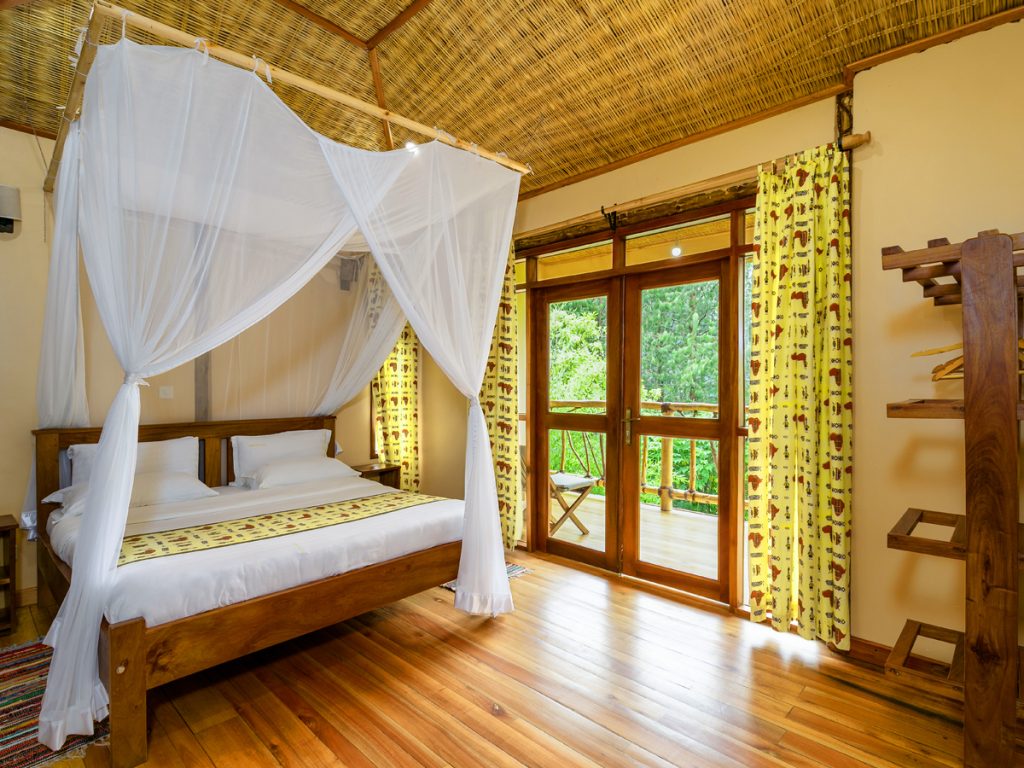
Luxury accommodation in Bwindi combines comfortable facilities, scenic rainforest surroundings and convenient access to gorilla trekking activities. Travellers can choose exclusive tented camps, upscale forest lodges and properties overlooking dramatic mountain landscapes. Luxury lodges are particularly attractive to honeymooners, photographers and visitors seeking privacy.
Notable luxury accommodation options include Sanctuary Gorilla Forest Camp in Buhoma, Clouds Mountain Gorilla Lodge in Nkuringo and Nkuringo Bwindi Gorilla Lodge. Travellers should compare their locations carefully because staying in a different sector from the assigned trekking headquarters can create unnecessary travel.
Mid-Range Lodges in Bwindi
Mid-range accommodation provides a balance between comfort and affordability, making it suitable for couples, families and small safari groups. Many properties offer private rooms, meals and scenic forest surroundings without the highest luxury lodge prices. Travellers should compare facilities, accessibility and accommodation standards before booking.
Examples include Bakiga Lodge in Ruhija, Ichumbi Gorilla Lodge in the Rushaga area and selected lodges around Buhoma and Nkuringo. Accommodation categories can vary between operators, so visitors should confirm the current facilities and room types.
Budget Accommodation in Bwindi
Budget accommodation around Bwindi includes guesthouses, simple safari camps and smaller lodges offering essential facilities. These options appeal to travellers who want to prioritise gorilla trekking while managing overall safari expenses. Standards vary considerably, so visitors should compare room arrangements, meal services and transport requirements.
Choosing affordable accommodation near the correct trekking headquarters is often more practical than selecting a cheaper lodge in another sector. Travellers should also account for transport costs when comparing prices. Great Apes Tours Africa can recommend suitable accommodation according to available budgets and confirmed trekking permits.
13. How Many Days Do You Need in Bwindi?
The ideal number of days in Bwindi depends on the traveller’s starting point, preferred activities and overall safari itinerary. Visitors planning a single gorilla trek from Kigali may choose a three-day safari, while travellers arriving from Entebbe often prefer additional time for comfortable road transfers. Longer visits allow opportunities for birdwatching, forest walks and cultural experiences.
Two-Day Bwindi Gorilla Safari
A two-day gorilla trekking safari may be possible for travellers starting from Kigali, depending on border arrangements, permit availability and road conditions. The first day generally involves travelling to Bwindi and staying near the trekking headquarters. Visitors complete their gorilla trek on the second day before returning to Kigali.
This itinerary is relatively demanding because trekking duration can vary, and the return journey may involve several hours of driving. Travellers who prefer a more relaxed experience should consider adding another night.
Three-Day Bwindi Gorilla Safari
A three-day gorilla trekking safari offers a more comfortable itinerary for travellers starting and ending in Kigali. The first day involves travelling to Bwindi, followed by gorilla trekking on the second day and a return journey on the third. This arrangement allows visitors to recover after trekking without immediately beginning a long transfer.
Travellers can also include a short cultural activity or scenic excursion, depending on their arrival time and lodge location. Great Apes Tours Africa can tailor the itinerary according to the selected trekking sector and accommodation preferences.
Four- to Five-Day Bwindi Safari
A four- or five-day Bwindi safari provides additional time for travellers arriving from Entebbe or combining gorilla trekking with other activities. Visitors can include birdwatching, forest nature walks, community experiences or a second gorilla trek. Longer itineraries also allow more comfortable transfers between destinations.
Travellers interested in specialist photography or multiple trekking experiences may particularly appreciate the additional time. However, separate permits are required for each gorilla trekking or habituation activity, and availability should be confirmed before finalising the itinerary.
14. Combining Bwindi With Other Uganda Safari Destinations
Bwindi combines well with several national parks and scenic attractions in southwestern Uganda. Travellers can experience mountain gorillas before continuing to savannah wildlife destinations, lakes and other primate habitats. Combining different ecosystems creates a more comprehensive Uganda safari and provides opportunities to observe a wider variety of wildlife.
Queen Elizabeth National Park
Queen Elizabeth National Park offers game drives, boat safaris and opportunities to observe elephants, buffaloes, hippos and other wildlife. Visitors can explore the Ishasha sector, which is famous for occasional sightings of tree-climbing lions, before continuing toward Bwindi. The Kazinga Channel boat cruise provides additional opportunities for wildlife and birdwatching.
Kibale National Park
Kibale National Park is one of Uganda’s leading chimpanzee trekking destinations. Visitors can combine mountain gorilla trekking in Bwindi with chimpanzee tracking in Kibale to experience two of Africa’s most remarkable primate species. Longer itineraries may also include birdwatching, forest walks and community activities around Kibale.
Lake Bunyonyi
Lake Bunyonyi is famous for its scenic islands, terraced hills and peaceful waters. Travellers often visit after gorilla trekking to relax and enjoy canoeing, boat excursions and lakeside scenery. The destination offers accommodation across different budgets and provides a tranquil contrast to Bwindi’s demanding forest activities.
Mgahinga Gorilla National Park
Mgahinga Gorilla National Park lies within the Virunga Mountains and offers golden monkey tracking, mountain gorilla trekking and guided hiking activities. Travellers can combine Mgahinga with southern Bwindi to explore different forest ecosystems and enjoy spectacular volcanic landscapes. The park is particularly convenient for itineraries based around Kisoro.
15. Bwindi vs Volcanoes National Park in Rwanda
Bwindi Impenetrable National Park and Rwanda’s Volcanoes National Park are two of Africa’s most famous mountain gorilla trekking destinations. Both protect endangered mountain gorillas and offer carefully regulated encounters under the supervision of experienced ranger guides. However, their landscapes, permit prices, accommodation choices and travel arrangements differ.
Bwindi features dense mountainous rainforest and four separate trekking sectors, while Volcanoes National Park occupies the Virunga volcanic landscape. Uganda’s standard gorilla trekking permits have generally been less expensive than Rwanda’s international visitor permits, although travellers should confirm current tariffs. The better destination depends on budget, preferred accommodation, travel routes and overall safari interests.
16. Is Gorilla Trekking in Bwindi Safe?
Gorilla trekking in Bwindi takes place under the supervision of trained Uganda Wildlife Authority ranger guides and trackers. These professionals monitor gorilla behaviour, explain safety procedures and guide visitors through authorised forest routes. Habituated mountain gorillas generally tolerate controlled human presence, but they remain powerful wild animals.
Visitors must follow ranger instructions, maintain the required viewing distance and avoid sudden movements or attempts to touch the gorillas. Travellers should also disclose symptoms of contagious illness before trekking because mountain gorillas are vulnerable to certain human diseases. These regulations help protect both visitors and wildlife.
17. What to Pack for Bwindi Gorilla Trekking
Preparing suitable clothing and equipment improves comfort during Bwindi’s potentially demanding forest walks. Visitors may encounter steep slopes, muddy trails, dense vegetation and unpredictable rainfall. Practical hiking equipment is more important than expensive safari clothing, particularly when navigating mountainous terrain.
- Waterproof hiking boots: Choose sturdy boots with good ankle support and reliable traction for slippery forest trails. Bwindi’s mountainous terrain can become muddy after rainfall, making comfortable footwear essential. Travellers should wear their boots before the safari to avoid blisters and discomfort during longer walks.
- Long trousers and long-sleeved shirts: Wear breathable clothing that protects your arms and legs from insects, thorny vegetation and dense undergrowth. Neutral colours are practical for wildlife activities, while lightweight layers help manage changing temperatures. Visitors should also consider carrying gardening gloves for protection when moving through thick vegetation.
- Rain jacket and waterproof backpack: Carry a lightweight rain jacket because showers can occur unexpectedly throughout the year. Waterproof protection helps keep cameras, mobile phones and personal belongings dry during the trek. A comfortable daypack allows visitors to carry essential supplies without restricting movement.
- Drinking water and energy snacks: Carry sufficient water to remain hydrated during potentially long forest walks. Light energy snacks can help maintain stamina, particularly when climbing steep slopes. Visitors should follow ranger instructions about eating near gorillas and avoid leaving any litter in the forest.
- Camera and binoculars: Bring a camera suitable for low-light forest photography and binoculars for observing birds and other wildlife. Flash photography is prohibited during gorilla encounters, so visitors should practise adjusting camera settings beforehand. Spare batteries and waterproof equipment protection can also be useful.
18. Gorilla Trekking Rules in Bwindi
The Uganda Wildlife Authority enforces strict regulations to protect endangered mountain gorillas and ensure responsible tourism. Visitors must attend the morning briefing, follow ranger instructions and maintain the required viewing distance. Flash photography, touching gorillas and leaving litter in the forest are prohibited.
Visitors experiencing symptoms of contagious illness should inform park authorities before trekking. Tourists must also avoid loud conversations, sudden movements and actions that could disturb the gorillas. These precautions reduce unnecessary stress and help protect mountain gorillas from disease transmission.
19. Frequently Asked Questions About Bwindi Impenetrable National Park
Where Is Bwindi Impenetrable National Park Located?
Bwindi Impenetrable National Park lies in southwestern Uganda along the eastern edge of the Albertine Rift Valley. The park occupies a mountainous rainforest landscape near Rwanda and the Democratic Republic of Congo. Visitors can reach Bwindi from Entebbe, Kampala or Kigali through several road routes and domestic flight connections. The most convenient journey depends on the selected gorilla trekking sector.
How Many Gorilla Trekking Sectors Are in Bwindi?
Bwindi has four official gorilla trekking sectors: Buhoma, Ruhija, Rushaga and Nkuringo. Each sector has separate trekking headquarters, habituated gorilla families and accommodation options. Buhoma lies in the north, Ruhija in the east, Rushaga in the south and Nkuringo in the southwest. Travellers should confirm their assigned sector before booking accommodation because travel distances between the different entrances can be considerable.
How Many Gorilla Families Are in Bwindi?
Bwindi supports numerous mountain gorilla families distributed across its four trekking sectors. The exact number available for tourism changes as groups divide, new families undergo habituation and wildlife authorities update management arrangements. Travellers should distinguish between tourist-habituated families, research groups and families undergoing habituation. Current information from the Uganda Wildlife Authority provides the most reliable basis for permit reservations.
What Is the Best Month to Visit Bwindi?
June to September and December to February are generally popular months for visiting Bwindi because rainfall may be lower and trekking trails can be more manageable. However, gorilla trekking takes place throughout the year, subject to park operations and safety conditions. Visitors travelling during wetter months should prepare for muddy trails and changing weather while enjoying the forest’s lush scenery.
How Much Does Gorilla Trekking in Bwindi Cost?
The standard foreign non-resident gorilla trekking permit costs USD 800 under the published 2026–2027 tariff arrangements, while discounted low-season rates may apply during selected months. The total safari cost also depends on accommodation, transportation, meals and additional activities. Travellers should request a complete quotation and confirm the official permit tariff for their intended travel dates before making payments.
Can You Visit Bwindi Without Trekking Gorillas?
Yes, travellers can visit Bwindi for activities other than mountain gorilla trekking. The park offers guided forest walks, specialist birdwatching and nature experiences, while surrounding communities provide cultural tourism opportunities. Visitors can also explore scenic highland landscapes and nearby attractions. Some activities require separate permits or entrance fees, so travellers should confirm current arrangements before visiting.
How Difficult Is Gorilla Trekking in Bwindi?
Gorilla trekking in Bwindi can range from moderately demanding to physically challenging because of steep slopes, muddy trails and dense vegetation. The actual difficulty depends on the gorillas’ daily location and the selected route. Visitors should prepare for potentially long walks and changing weather conditions. Reasonable fitness, suitable hiking boots and porter assistance can help improve comfort.
What Is the Minimum Age for Gorilla Trekking?
The minimum age for mountain gorilla trekking in Uganda is 15 years. This requirement helps ensure that participants can follow ranger instructions and manage potentially challenging forest conditions. Families travelling with younger children can arrange alternative activities, including suitable cultural experiences and nature excursions. Parents should confirm age requirements before purchasing permits or finalising their safari itinerary.
Can You Trek Gorillas Twice in Bwindi?
Yes, visitors can arrange two separate gorilla trekking experiences in Bwindi by purchasing permits for different dates. This allows travellers to explore different forest environments and potentially encounter different habituated gorilla families. Each permit covers one authorised trekking activity, and family allocation remains subject to wildlife authority arrangements. Travellers should allow sufficient time for rest and transfers between trekking sectors.
Is Bwindi Better Than Rwanda for Gorilla Trekking?
Bwindi and Rwanda’s Volcanoes National Park both offer exceptional mountain gorilla trekking experiences. Bwindi provides four trekking sectors, diverse rainforest landscapes and generally lower standard permit prices for international visitors. Rwanda offers convenient access from Kigali and distinctive volcanic scenery. The better choice depends on budget, travel time, accommodation preferences and the wider safari itinerary.
20. Plan Your Bwindi Gorilla Safari With Great Apes Tours Africa
Bwindi Impenetrable National Park offers one of Africa’s most extraordinary wildlife experiences, combining endangered mountain gorillas, ancient rainforest, exceptional birdwatching and remarkable mountain scenery. Whether you want to trek habituated gorilla families, participate in a specialised habituation experience or explore the park’s biodiversity, careful planning helps create a comfortable and memorable safari.
Great Apes Tours Africa organises tailor-made gorilla trekking safaris in Uganda, Rwanda and other East African destinations. Our local safari specialists help travellers arrange gorilla permits, select suitable accommodation and organise private transportation. We can also combine Bwindi with chimpanzee trekking in Kibale, wildlife safaris in Queen Elizabeth National Park or extended adventures across East Africa.
Book Your Bwindi Gorilla Trekking Safari
Share your preferred travel dates, number of travellers, accommodation budget and desired safari duration with Great Apes Tours Africa. Our team will help you select the most suitable gorilla trekking sector, arrange available permits and prepare a personalised itinerary according to your interests.
Discover Bwindi Impenetrable National Park with Great Apes Tours Africa and experience the remarkable mountain gorillas, rainforest landscapes and wildlife of southwestern Uganda.
Pingback: How to Get to Rushaga Gorilla Sector in Bwindi
Pingback: Mubwindi Swamp Birding Trail: Birds, Hiking & Guide
Pingback: Ruhija Gorilla Sector: Location, Families & Costs
Pingback: Mount Karisimbi Hiking: Costs, Difficulty & Guide