Mundari-Tribe-Photography: Complete South Sudan Cultural Safari Guide
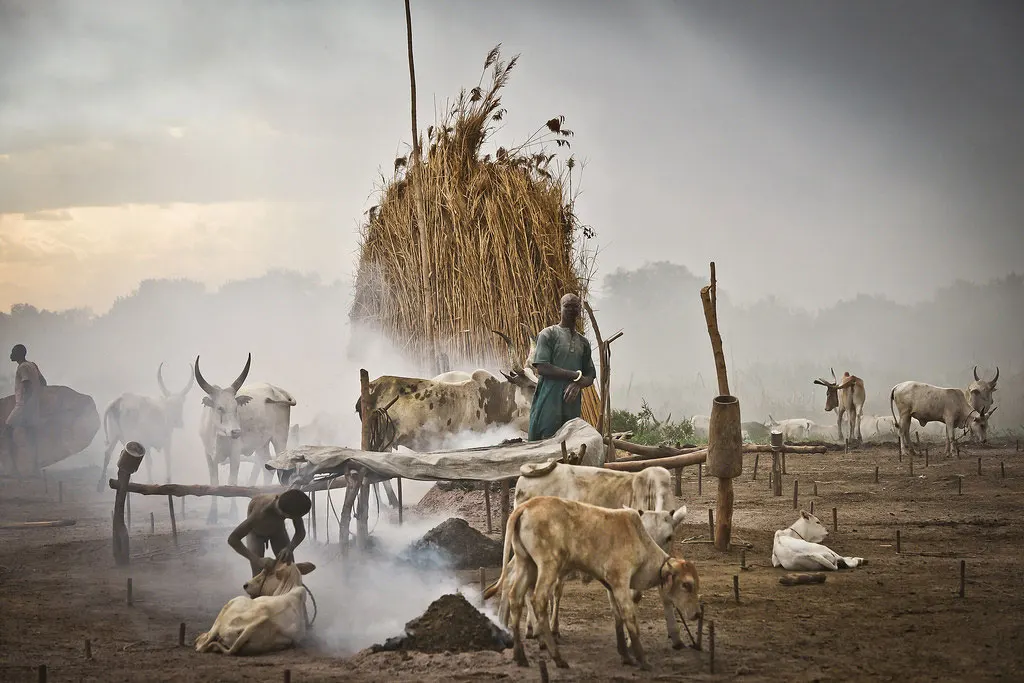
Mundari-tribe-photography offers photographers and cultural travellers a remarkable opportunity to explore the pastoral traditions, long-horned cattle and daily life of the Mundari people in South Sudan. From atmospheric cattle camps surrounded by smoke and golden morning light to intimate environmental portraits of herders, Mundari tribe photography has become a subject of interest among documentary photographers seeking meaningful cultural experiences in East Africa.
The Mundari people maintain strong relationships with their cattle, which play important roles in their livelihoods, cultural identity and social traditions. Their cattle camps, particularly around Terekeka north of Juba, provide opportunities to document pastoral activities, livestock care and the interaction between people and animals. However, these are working communities rather than tourist attractions, and respectful photography requires permission, cultural understanding and patience.
This comprehensive Mundari tribe photography guide explores the community’s cultural heritage, cattle camp activities, photography techniques, suitable seasons, camera equipment and travel planning considerations. It also explains the significant security concerns affecting South Sudan and why travellers must consult current official advisories before considering a photography expedition.
1. Who Are the Mundari People of South Sudan?
The Mundari, also known as the Mandari, are a Nilotic pastoral community living primarily in Central Equatoria, South Sudan. They are closely associated with the Terekeka area and the surrounding White Nile region north of Juba. Cattle husbandry forms an important part of their traditional economy and cultural identity, influencing daily routines, social relationships and community life.
The Mundari speak a language belonging to the Eastern Nilotic group and maintain cultural practices connected to livestock ownership, family relationships and pastoral traditions. Although cattle keeping is especially important, Mundari communities are not culturally uniform, and livelihoods and daily practices can differ between households, settlements and generations.
The Importance of Cattle in Mundari Culture
Cattle represent more than an economic resource in Mundari society. They provide milk, contribute to household wealth and can play important roles in marriage arrangements, family relationships and social standing. The connection between people and their animals is visible through everyday activities such as grazing, watering, cleaning and protecting livestock.
For cultural photographers, this relationship provides opportunities to document meaningful interactions rather than simply capturing dramatic portraits. Images showing herders caring for cattle, animals resting near campfires and families carrying out daily responsibilities can communicate the importance of pastoral traditions within the wider community.
2. Where Are the Mundari Cattle Camps Located?
Mundari cattle camps are associated with the Terekeka region and surrounding areas of Central Equatoria in South Sudan. Terekeka lies north of Juba along the wider White Nile corridor, where grasslands, riverine environments and seasonal grazing areas support pastoral activities. Cattle camps may move or change their locations depending on grazing conditions and local circumstances.
Visitors researching Mundari tribe photography should understand that cattle camps are not permanent tourist facilities with fixed opening hours. They are working pastoral environments where families and herders carry out essential daily activities. Access requires appropriate community permission, reliable local coordination and careful consideration of the prevailing security situation.
How Far Are the Mundari Cattle Camps from Juba?
Terekeka is approximately 80 kilometres north of Juba in a straight line, although road distances and travel times depend on the route, road conditions and the location of the particular cattle camp. Some camps may be considerably farther from the city, especially when seasonal grazing patterns influence their location.
Travellers should not rely on fixed driving-time estimates because road accessibility, security restrictions and weather conditions can change. Any future visit would require current local information, suitable transport arrangements and permission from the relevant community representatives.
3. Why Is Mundari Tribe Photography So Popular?
Mundari tribe photography attracts interest because of its combination of distinctive cattle, pastoral traditions, atmospheric landscapes and opportunities for documentary storytelling. The enormous curved horns of the cattle, the changing light and the daily interactions between herders and animals create visually compelling scenes.
However, the most meaningful photographs go beyond dramatic compositions. They communicate the relationship between people, livestock and their environment while recognising the dignity and individuality of those being photographed.
Long-Horned Cattle and Their Cultural Significance
The large-horned cattle associated with Mundari pastoral communities are among the most recognisable subjects in South Sudan photography. Their striking horn shapes provide opportunities for wide compositions, close-up studies and environmental portraits. Photographers often use the contrast between cattle silhouettes and the open sky to create images with strong visual impact.
These animals also carry considerable cultural and economic importance. Rather than treating them as decorative subjects, photographers should seek to understand their role in pastoral life. Documenting cattle care, movement and interactions with herders can produce a more complete and respectful photographic narrative.
Smoke, Dust and Golden Morning Light
Smoke and dust are among the most recognisable visual elements of Mundari cattle camp photography. Dried cattle dung is traditionally burned for practical purposes, including helping to repel insects. Depending on weather conditions and daily activities, smoke can drift across the camp and create atmospheric layers around cattle and people.
During sunrise and sunset, natural light may pass through the smoke, producing silhouettes, soft backgrounds and dramatic contrasts. Photographers should document these conditions as they occur rather than asking residents to create additional smoke or change their routines purely for photographic purposes.
Traditional Pastoral Activities
Daily pastoral activities provide opportunities to photograph the Mundari community in ways that communicate their relationship with cattle. Depending on the camp and season, herders may milk animals, tend fires, prepare cattle for grazing or carry out other livestock-related responsibilities.
These activities can reveal the skills, knowledge and responsibilities involved in pastoral life. Documentary photographers should approach such scenes patiently, observe the community’s routine and request permission when photographing identifiable individuals or activities taking place in private spaces.
Environmental Portraits of Mundari Herders
Environmental portraits show individuals within the surroundings that form part of their everyday lives. A herder standing beside cattle, preparing for daily work or resting near a camp may provide a meaningful photographic subject when the individual agrees to participate.
Photographers should avoid treating people as anonymous representatives of an entire culture. Taking time to communicate, learn names where appropriate and explain the purpose of the photographs helps create more respectful encounters. Consent becomes especially important when images may later appear in commercial publications or tourism advertisements.
4. Best Time to Visit Mundari Cattle Camps for Photography
The best time for Mundari cattle camp photography depends on seasonal weather, cattle movements, accessibility and the type of images a photographer hopes to capture. South Sudan generally experiences distinct wet and dry periods, although their timing and intensity vary between regions and years.
From a photographic perspective, dry conditions may provide easier access to some rural areas and opportunities to document cattle camps against dusty landscapes. However, seasonal advantages do not override security concerns, and current official travel advice must guide any decision about visiting South Sudan.
Dry Season: Approximately December to March
The drier months are often considered more practical for outdoor photography because rainfall is generally lower and some roads may be easier to navigate. Open landscapes, dust and early morning light can create attractive conditions for documenting cattle and pastoral activities.
Nevertheless, cattle camp locations can change with grazing needs and water availability. Photographers should not assume that a camp photographed during one season will occupy the same location the following year. Local coordination and community permission remain essential.
Rainy Season: Approximately April to October
During the wetter months, grasslands become greener and the surrounding landscape can offer different photographic opportunities. Seasonal rainfall may influence cattle movements, grazing patterns and daily routines, providing opportunities to document pastoral life in changing environmental conditions.
However, heavy rainfall can affect rural roads, transport and access to certain areas. Flooding and difficult ground conditions may create additional challenges. Travellers researching a future photography expedition should account for these factors alongside current security advice and local access restrictions.
5. Best Time of Day for Mundari Cattle Camp Photography
Natural light strongly influences the appearance of cattle camp photographs. Sunrise and late afternoon generally provide softer light than midday, making them particularly useful for environmental portraits, silhouettes and scenes involving smoke or dust.
Photographers should plan around community routines rather than expecting residents to arrange activities for visitors. Access times must be agreed in advance, and the comfort and privacy of the community should take priority over photographic preferences.
Sunrise Photography at Mundari Cattle Camps
Early morning is often considered one of the most rewarding periods for cattle camp photography because low-angle sunlight can illuminate smoke, dust and the distinctive shapes of cattle horns. Depending on the camp’s routine, herders may already be tending animals or preparing for daily activities.
Potential photographic subjects include cattle standing in morning haze, herders moving through the camp, natural interactions between people and animals, and wider landscape compositions. Backlighting can produce striking silhouettes, while side lighting may reveal details in cattle coats and the surrounding environment.
Sunset Photography and Evening Activities
Late afternoon provides another opportunity to capture warm light and atmospheric conditions around cattle camps. Depending on the community’s daily routine, cattle may be returning from grazing, gathering near resting areas or receiving attention from their herders.
Photographers can experiment with wider compositions, backlighting and natural portraits while observing activities from appropriate distances. The changing colours of the sky may create dramatic backgrounds, but visitors should avoid interrupting evening responsibilities or entering private areas without permission.
Midday Photography Opportunities
Midday sunlight often creates harsh shadows and strong contrast, making certain types of portrait photography more challenging. However, photographers can use this period to focus on smaller details, cattle textures, camp structures and environmental storytelling.
Shaded areas may provide softer light for portraits when subjects agree to participate. Photographers should also use quieter periods to observe the environment, communicate with local contacts and understand the community’s daily activities rather than continuously seeking dramatic images.
6. Mundari Tribe Photography Techniques and Camera Settings
Successful Mundari tribe photography requires careful observation, suitable equipment and an understanding of documentary storytelling. The strongest images often combine technical quality with cultural context, showing people and cattle naturally within their environment.
Camera settings should respond to available light, subject movement and the photographer’s creative intentions. There is no single ideal setup for every cattle camp, particularly because smoke, dust and rapidly changing light can affect exposure and visibility.
Use Wide-Angle Lenses for Environmental Photography
Wide-angle lenses are useful for documenting the scale of a cattle camp and the relationship between people, animals and surrounding landscapes. A focal length around 24–35mm on a full-frame camera can provide flexibility for wider compositions without excessively distorting subjects.
Photographers can use cattle horns, camp structures and natural pathways as compositional elements. Including foreground, middle ground and background details helps create depth, while carefully positioning the camera can reveal the atmosphere of the environment without disturbing daily activities.
Capture Portraits with Natural Light
Portrait photography can communicate individual character, expression and personal relationships with cattle. A standard zoom or short telephoto lens provides flexibility when photographing people from a respectful distance, particularly when subjects prefer not to have a camera positioned close to them.
Soft morning or evening light is often flattering for portraits, while shaded areas may work better during midday. Photographers should explain their intentions and obtain permission before photographing identifiable individuals, especially when planning to publish the images commercially.
Photograph Cattle Silhouettes Against the Sky
The large horns of Mundari cattle can create distinctive silhouettes when photographed against bright skies or low-angle sunlight. Positioning the subject between the camera and a brighter background can emphasise the shape of the horns and body.
Photographers may expose for the background to preserve the silhouette effect, adjusting shutter speed and aperture according to movement and available light. Silhouette photography should complement other documentary images rather than becoming the only way people and animals are represented.
Use Fast Shutter Speeds for Moving Cattle
Moving cattle can require faster shutter speeds to prevent unwanted motion blur, particularly when animals are walking, turning or interacting with herders. A shutter speed around 1/500 second may provide a useful starting point, although faster settings may be necessary for more rapid movement.
Photographers should adjust ISO and aperture according to the available light. Continuous autofocus can help maintain focus on moving subjects, while shooting in bursts may improve the chances of capturing natural interactions without asking people or animals to repeat an action.
Avoid Excessive Editing and Artificial Effects
Documentary photography benefits from an approach that preserves the authenticity of the scene. Excessive colour manipulation, artificial smoke effects or misleading edits can distort the reality of the environment and create inaccurate impressions of Mundari life.
Careful adjustments to exposure, contrast and white balance are generally appropriate, provided they do not misrepresent the subject. Photographers should also consider the context in which images will appear, especially when publishing photographs as documentary evidence or educational material.
7. Best Camera Equipment for Mundari Photography
Choosing suitable camera equipment is important because cattle camp environments can be dusty, smoky and challenging for electronic devices. Photographers should prioritise reliable equipment, flexible lenses and sufficient power and storage capacity.
Professional cameras can provide advantages in difficult lighting conditions, but meaningful documentary photographs can also be created with smaller cameras and smartphones. The photographer’s ability to observe, communicate and compose images remains essential.
| Camera equipment | Recommended purpose |
|---|---|
| Wide-angle lens, 16–35mm | Cattle camps and landscape compositions |
| Standard zoom, 24–70mm | Environmental portraits and general photography |
| Telephoto lens, 70–200mm | Distant subjects and cattle details |
| Spare batteries | Extended photography sessions |
| Extra memory cards | Backup storage for photographs |
| Dust-resistant camera bag | Equipment protection |
| Lens cleaning kit | Removing dust and maintaining image quality |
| Power bank | Backup charging for compatible devices |
| Lightweight camera strap | Comfortable equipment handling |
Photographers should also consider equipment restrictions, insurance conditions and any photography permit requirements before travelling. Camera gear can attract attention in sensitive areas, making discretion and local guidance particularly important.
8. Cultural Etiquette When Photographing the Mundari People
Responsible Mundari tribe photography begins with respect for the community and recognition that cattle camps are places where people live and work. Visitors should not assume that access to a camp automatically grants permission to photograph everyone or document every activity.
A culturally sensitive approach involves communication, patience and a willingness to accept restrictions. Local guides or interpreters can help explain photography intentions, but permission must ultimately come from the individuals and community representatives concerned.
Always Ask Permission Before Taking Portraits
Photographers should request permission before taking identifiable portraits, particularly when working at close distances. Consent should be informed and voluntary, meaning the person understands the purpose of the photograph and feels comfortable declining.
If someone refuses to be photographed, visitors must respect that decision without pressure or repeated requests. The same principle applies to families, private activities and sensitive cultural practices. Good documentary photography depends on trust rather than unrestricted camera access.
Respect Children and Family Privacy
Photographing children requires particular care because they may not fully understand how their images could be used or distributed. Photographers should seek appropriate permission from a parent or responsible guardian and respect the child’s own comfort and willingness to participate.
Visitors should avoid photographing private family activities, personal ceremonies or vulnerable situations without explicit permission. Even when an image appears visually compelling, the privacy and dignity of the people involved should remain more important than the potential photographic result.
Understand the Difference Between Personal and Commercial Photography
Photographs intended for personal memories may involve different expectations from images published in travel magazines, advertising campaigns or commercial tourism websites. Photographers should explain how they plan to use identifiable portraits and obtain appropriate consent for promotional or commercial publication.
Community access agreements do not necessarily replace individual consent. Professional photographers should discuss permissions, possible compensation and usage restrictions before beginning a project, particularly when photographs may generate commercial income.
Avoid Staging Cultural Traditions
Authentic documentary photography records people and activities as they naturally occur. Visitors should not pressure Mundari residents to recreate cultural practices, repeat daily activities or pose in uncomfortable situations simply to produce dramatic images.
Staged scenes can also create misleading impressions when presented as spontaneous documentary photographs. Photographers should observe patiently, explain their interests and allow individuals to decide whether they wish to participate in portraits or other agreed photographic activities.
9. How to Plan a Mundari Tribe Photography Safari in South Sudan
Planning a Mundari photography expedition requires careful consideration of travel documentation, community access, transportation, accommodation and security. South Sudan presents significant logistical challenges, particularly outside major urban centres, and conditions can change rapidly.
Important travel warning: As of the source article’s October 2026 review, official UK and Australian government advisories warned against travel to South Sudan because of serious security risks. These warnings must be checked again before any future travel decision. A guided tour does not eliminate the dangers associated with armed conflict, insecurity or limited emergency services.
Arriving in Juba, South Sudan
Juba International Airport serves as the principal international gateway to South Sudan. Travellers researching future photography trips would generally begin their planning around arrival in Juba, followed by locally coordinated transport towards the Terekeka region if conditions and permissions allow.
Entry requirements depend on nationality and may include visas, passport validity rules, health documentation and other immigration conditions. Travellers should verify all requirements through appropriate official channels rather than relying solely on travel blogs or information from previous visitors.
Transport from Juba to Mundari Cattle Camps
Transport to cattle camps would normally require suitable road vehicles and knowledgeable local coordination. Rural road conditions vary considerably, and seasonal rainfall can affect accessibility. The exact location of a cattle camp may also change depending on grazing needs.
Because of the security situation, travellers should not attempt independent journeys into unfamiliar rural areas based on online maps or old travel reports. Any future arrangements would need to account for current official advice, local permissions, communications and emergency contingency plans.
Accommodation During a Mundari Photography Trip
Accommodation arrangements depend on the location, duration and nature of a proposed photography visit. Juba has established accommodation options, while facilities outside the city can be limited and may require specialised local arrangements.
Some photography itineraries advertised by operators have included camping near cattle camps, but such arrangements should never be assumed available or appropriate. Community consent, sanitation, safety, emergency access and local operating conditions must be assessed before considering any overnight stay.
Photography Permissions and Local Guides
Access to Mundari cattle camps depends on community relationships and appropriate permission. Local guides or interpreters may help visitors communicate with residents, understand cultural expectations and identify activities that should not be photographed.
Professional photographers should also establish whether separate authorisations are required for their equipment, intended publications or commercial work. Permission to enter a community does not automatically grant unrestricted rights to photograph residents, and access arrangements may change without notice.
10. How Much Does a Mundari Tribe Photography Tour Cost?
The cost of a Mundari tribe photography tour depends on the duration, transport arrangements, accommodation, local guiding, community access agreements and photography requirements. Because of South Sudan’s changing operating conditions, generic online prices may not accurately reflect the cost or feasibility of a future expedition.
A quotation should clearly explain what is included, what remains excluded and how payments or cancellations are handled if security conditions deteriorate. Travellers should avoid making non-refundable commitments before checking current official travel advisories and understanding the limitations of their insurance coverage.
Factors Affecting Mundari Photography Safari Prices
Several factors can influence the overall cost of a proposed photography expedition. These include international flights, entry documentation, private transport, local interpreters, accommodation, community fees, photography permissions and specialised logistical arrangements.
Additional costs may arise from equipment transport, communications, emergency planning and changes to travel arrangements. A transparent operator should provide a detailed quotation rather than advertising a low headline price that excludes essential services or assumes unrestricted access to cattle camps.
11. Is It Safe to Visit Mundari Cattle Camps in South Sudan?
Safety is a major consideration for anyone researching Mundari cattle camp photography. South Sudan has experienced serious security challenges, including armed conflict, intercommunal violence, crime and disruptions to transportation and essential services. Conditions may vary between locations and can change with little warning.
The original article recorded official advisories against travel to South Sudan in October 2026. Travellers should check the latest guidance from their own government, assess insurance restrictions and avoid assuming that a particular destination is safe because photographs or travel reports have appeared online.
Why Security Advice Matters for Photography Travellers
Photography expeditions may involve valuable equipment, travel outside major cities and time spent in unfamiliar environments. These factors can create additional exposure to security risks, especially where communications, medical facilities and emergency transport are limited.
Travel insurance may exclude destinations subject to official warnings, and emergency evacuation may be difficult or unavailable. Travellers should not rely solely on assurances from guides or tour companies. Where authorities advise against travel, postponing the expedition is the responsible course.
12. Mundari Photography vs Other African Cultural Photography Experiences
Mundari cattle camp photography offers a distinctive perspective on pastoral life, but it is not the only cultural photography experience available in Africa. Travellers interested in documenting communities, traditional livelihoods and relationships with livestock may also research cultural visits in Uganda, Kenya and Tanzania.
Different communities have their own histories, languages, traditions and expectations concerning photography. Visitors should avoid assuming that one pastoral culture represents another. Every cultural photography experience requires its own approach to consent, community engagement and responsible storytelling.
Mundari Cattle Camps vs Maasai Cultural Photography
Mundari and Maasai communities are culturally distinct, although cattle play important roles in both societies. Mundari photography is often associated with cattle camps, long-horned animals and atmospheric scenes around herding activities. Maasai cultural photography may involve documenting pastoral traditions, community life and agreed cultural visits in Kenya or Tanzania.
Photographers should approach both experiences with respect for individual identity and cultural context. Neither community should be reduced to clothing, livestock or dramatic portraits. Meaningful photography communicates the lives and perspectives of the people involved rather than relying entirely on familiar visual stereotypes.
13. Frequently Asked Questions About Mundari Tribe Photography
Where Can I Photograph the Mundari Tribe in South Sudan?
Mundari communities and cattle camps are associated with the Terekeka region and surrounding areas north of Juba in Central Equatoria, South Sudan. Camp locations may change according to seasonal grazing patterns and local conditions. Photography access depends on community permission, local arrangements and security considerations. Travellers should not assume that a camp shown in previous photographs remains accessible or suitable for visits.
What Is the Best Month for Mundari Tribe Photography?
The drier months, approximately December to March, may offer more favourable conditions for outdoor photography and road access in parts of South Sudan. However, the best photographic period also depends on cattle movements, local routines and changing environmental conditions. Seasonal suitability does not mean that travel is safe, and official security advice must take priority over photographic considerations.
Why Do the Mundari Burn Cattle Dung?
Burning dried cattle dung is a traditional practice associated with Mundari cattle camps, including its use in helping to repel insects. The smoke can create distinctive atmospheric conditions that photographers find visually compelling, especially during sunrise and sunset. However, the practice serves practical purposes within pastoral life and should not be treated as a performance arranged for visiting photographers.
What Type of Cattle Do the Mundari Keep?
Mundari pastoral communities are associated with distinctive long-horned cattle, often described in travel photography as Ankole-type cattle. Their large, curved horns make them visually recognisable, while their economic and cultural importance extends beyond their appearance. Cattle provide milk, contribute to household wealth and play roles in social relationships. Photographers should document both the animals and their significance to the community.
Can Tourists Photograph the Mundari People Freely?
No. Visitors should seek permission before photographing identifiable individuals and respect community restrictions. Permission is particularly important for close portraits, children, private activities and photographs intended for commercial publication. A local guide or interpreter can help explain the purpose of photography, but individual consent remains essential. Visitors should immediately respect anyone who declines to participate.
What Camera Lens Is Best for Mundari Cattle Camp Photography?
A versatile standard zoom lens, such as a 24–70mm, is useful for environmental portraits and general documentary photography. Wide-angle lenses can capture cattle camps and surrounding landscapes, while telephoto lenses allow photographers to frame distant subjects without approaching too closely. Equipment selection should also consider dust protection, available light and the photographer’s preferred style.
Can I Visit Mundari Cattle Camps from Juba?
Mundari cattle camps are associated with areas north of Juba, particularly around Terekeka, but visiting them is not comparable to an ordinary city excursion. Access depends on camp locations, community permission, transport arrangements and security conditions. Official advisories have warned against travel to South Sudan, so travellers should not arrange excursions without first reviewing current government guidance and the feasibility of safe access.
Is Mundari Tribe Photography Suitable for Beginners?
The photographic techniques involved in cattle camp photography can be learned by beginners, particularly environmental composition, natural-light portraits and documentary storytelling. However, the logistical, cultural and security challenges associated with South Sudan make it unsuitable as a casual beginner travel destination. Photographers should develop their technical skills and understanding of ethical photography before considering complex international expeditions.
Can I Combine Mundari Photography with Other South Sudan Cultural Experiences?
South Sudan has diverse communities and cultural traditions that may interest documentary photographers, but combining destinations requires careful consideration of security, permissions and travel logistics. Cultural visits should never be arranged without community consent or reliable information about local conditions. Travellers researching broader photography projects should prioritise responsible engagement and avoid treating communities as interchangeable photographic attractions.
How Long Should a Mundari Photography Expedition Last?
The ideal duration depends on the purpose of the photography project, available access and local conditions. Documentary photographers generally benefit from allowing time to build relationships, observe daily routines and photograph changing light rather than rushing through a community. However, given South Sudan’s serious security concerns, expedition duration should not be determined solely by photographic goals or advertised tour packages.
14. Plan a Future Mundari Photography Experience with Great Apes Tours Africa
Mundari tribe photography offers a distinctive opportunity to learn about South Sudan’s pastoral heritage, long-horned cattle and the daily relationship between herders and their animals. The strongest photography experiences combine careful observation, cultural understanding and respectful engagement with the people being documented.
At Great Apes Tours Africa, we specialise in tailor-made African journeys, including wildlife safaris, primate experiences and cultural travel across East Africa and selected neighbouring destinations. We recognise the importance of community permission, responsible photography and realistic travel planning when researching destinations such as South Sudan.
Because of the serious security concerns affecting South Sudan, Mundari photography travel should remain subject to current official advisories, local conditions and a careful assessment of whether responsible arrangements are possible. We do not recommend proceeding with travel while official authorities advise against visiting the country.
For information about future cultural photography experiences and alternative African safari destinations, contact our team to discuss your interests, preferred travel dates and photography objectives.
Contact Great Apes Tours Africa to plan your cultural photography safari.