Pian Upe Wildlife Reserve
Pian Upe Wildlife Reserve is one of Uganda’s largest and most fascinating protected areas, covering approximately 2,000 square kilometres in the northeastern part of the country. The reserve is located mainly in the Karamoja sub-region and forms part of the extensive landscapes of northeastern Uganda. It is one of the country’s lesser-visited wildlife destinations, making it an interesting option for travelers looking for a quieter and more off-the-beaten-path safari experience.
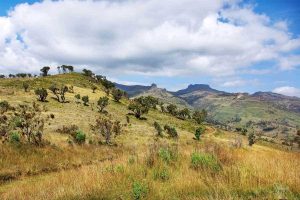
The reserve lies in a region characterized by expansive savannahs, rocky hills, seasonal wetlands and distant mountains. Its landscape creates a dramatic contrast to the densely forested areas and lush landscapes found in southwestern Uganda. Pian Upe is therefore particularly attractive to travelers who want to experience a different side of Uganda.
Pian Upe Wildlife Reserve is situated in the broader landscape between the eastern and northeastern parts of Uganda, close to the foothills and wider ecosystems associated with Mount Elgon and the mountains of northeastern Uganda. The reserve is managed by the Uganda Wildlife Authority, which is responsible for wildlife conservation and tourism activities in the protected area.
The name Pian Upe is associated with the local communities of the area, particularly the Pian and Upe people. The reserve is also surrounded by communities whose pastoral traditions, cultural practices and relationship with livestock form an important part of the region’s identity.
Unlike some of Uganda’s more established safari destinations, Pian Upe still retains a sense of wilderness and discovery. Its relatively low visitor numbers mean that travelers can experience vast landscapes without the crowds sometimes encountered in more popular national parks.
Uniqueness of Pian Upe Wildlife Reserve
One of the major attractions of Pian Upe Wildlife Reserve is its sense of remoteness. The reserve offers travelers an opportunity to explore a relatively quiet part of Uganda where expansive grasslands stretch toward distant hills and mountains.
The scenery is particularly attractive to photographers because of the combination of open savannah, rocky outcrops, wildlife and changing skies. During the rainy season, parts of the reserve can become green and vibrant, while the dry season transforms the landscape into golden grassland.
Pian Upe is also important because it protects wildlife within a semi-arid ecosystem that differs considerably from Uganda’s wetter western and central landscapes.
The reserve provides habitat for several species of mammals and birds and forms part of a larger conservation landscape in northeastern Uganda. Its location also makes it an interesting addition to itineraries that explore the eastern and northeastern parts of the country.
For travelers who have already visited Uganda’s major destinations, Pian Upe can provide a completely different safari experience.
Attractions in Pian Upe Wildlife Reserve
Pian Upe has several natural and cultural attractions that make the reserve worth exploring. From wildlife and birds to mountains, hot springs and local communities, the region offers more than just game viewing.
Mammals
Wildlife is one of the primary attractions of Pian Upe Wildlife Reserve. The reserve supports a variety of mammals adapted to its open savannah and semi-arid environment.
Some of the animals that visitors may encounter include zebras, Uganda kobs, hartebeests, elands, oribis, impalas and other antelope species. The reserve is also known for animals such as buffaloes, hyenas and several smaller mammals.
Primates can also be encountered, including patas monkeys, vervet monkeys and baboons. These animals are well adapted to the open landscapes and woodland areas of the reserve.
Wildlife numbers and sightings can vary depending on the season, location and conservation conditions. Therefore, visitors should approach Pian Upe as a wilderness destination where wildlife viewing is part of an unpredictable natural experience rather than expecting the same density of animals found in some of Uganda’s more established national parks.
The reserve has also undergone wildlife restoration efforts over the years, aimed at strengthening populations of species that had declined because of historical pressures.
Birds
Pian Upe is an interesting destination for birdwatchers. The reserve’s combination of grassland, woodland, rocky areas and seasonal wetlands creates habitats for a variety of bird species.
The area is particularly important for birding because it contains species adapted to dry savannah and highland environments. The presence of seasonal water sources also attracts water-associated birds.
One of the notable species associated with the wider Pian Upe landscape is the Fox’s weaver, a Ugandan endemic bird. This makes the reserve especially interesting to birdwatchers who want to search for species that have restricted ranges.
Other birds that can be encountered include raptors, grassland birds, waterbirds and various passerines. Depending on the season, migratory birds may also add to the diversity of the birding experience.
Birdwatching in Pian Upe is particularly rewarding because the open landscape can make it easier to scan large areas for birds. Early mornings and late afternoons are often productive periods because birds are more active and temperatures are generally more comfortable.
Karamojong Culture
The culture of the Karamojong people is one of the most important attractions in northeastern Uganda. The Karamojong are traditionally pastoralist communities whose culture has historically been strongly connected to cattle.
Cattle have traditionally represented wealth, social status and cultural identity. Pastoralism continues to influence many aspects of life in the Karamoja region.
Visitors interested in culture can arrange community experiences that introduce them to local traditions, food, music, dances, crafts and ways of life. These experiences provide an opportunity to understand the region beyond its wildlife.
Traditional dances can be particularly colorful, while local handicrafts provide visitors with opportunities to support community members directly.
Cultural tourism should always be conducted respectfully and with the participation and consent of the communities involved. A good cultural experience should allow local people to benefit economically while maintaining the dignity and authenticity of their traditions.
Mountain Kadam
Mount Kadam is one of the striking highland features in the broader northeastern Uganda landscape. It rises to more than 3,000 metres above sea level and forms part of the mountainous scenery surrounding the Karamoja region.
The mountain and surrounding highlands provide spectacular views across the savannah landscapes. Travelers interested in hiking can explore selected trails and viewpoints depending on the route, weather and local arrangements.
From elevated locations, visitors can appreciate the contrast between the rugged highlands and the expansive plains below. The scenery provides excellent opportunities for photography and nature observation. Mountain activities in the region should be properly planned because weather conditions, terrain and access can vary.
Lake Opeta
Lake Opeta is another important natural feature in the broader northeastern Uganda landscape. The lake and surrounding wetlands provide habitat for numerous bird species and support local communities.
The wetlands around Lake Opeta attract birds and other wildlife, particularly when water and vegetation conditions are favorable. Birdwatchers can explore the area in search of waterbirds and other species associated with wetland environments.
The lake is also part of the wider pastoral landscape. During certain periods, livestock may be seen around water and grazing areas, reflecting the close relationship between local communities and their environment. For visitors interested in combining wildlife, birding and cultural experiences, the Lake Opeta area can provide an interesting addition to a northeastern Uganda itinerary.
Cheposukunya Hot Springs
The hot springs associated with the wider Pian Upe and northeastern Uganda region are another attraction for adventurous travelers. Hot springs are natural features where underground geothermal activity causes water to emerge at elevated temperatures. The surrounding landscapes can also attract birds and other wildlife, making such areas interesting for nature enthusiasts.
Visitors should always follow local guidance when approaching hot springs because extremely hot water can cause serious burns. The attraction is best experienced with a knowledgeable local guide who understands the area and can identify safe viewing locations.
Activities in Pian Upe Wildlife Reserve
Pian Upe provides several activities for travelers who want to experience its landscapes, wildlife and culture.
Game Drives
Game drives are one of the main activities in Pian Upe Wildlife Reserve. Visitors normally explore the reserve using safari vehicles, allowing them to cover larger distances while searching for wildlife.
Four-wheel-drive vehicles are particularly useful because some tracks can become challenging depending on the weather. Safari vehicles also provide protection from the elements and allow travelers to observe animals comfortably.
Game drives are generally more productive during the cooler hours of the day. Early morning drives offer opportunities to see animals when they are active after the night, while afternoon drives can provide excellent opportunities to observe wildlife as temperatures begin to fall. The open nature of the landscape also provides beautiful views, making the game drive about more than simply finding animals.
Visitors should always follow the instructions of wildlife rangers and guides. Wildlife is unpredictable, and maintaining a safe distance is essential.
Hiking
The mountainous and hilly landscapes surrounding Pian Upe make the region suitable for hiking and nature exploration. Hiking can take place around selected hills and highland areas, allowing visitors to enjoy panoramic views over the savannah. Some routes can be relatively short, while others require greater physical preparation. Mount Kadam and other highland areas in northeastern Uganda provide opportunities for more adventurous travelers.
It is important to distinguish between hiking around Pian Upe and climbing Mount Elgon, which is a separate mountain destination farther east. Travelers wishing to undertake longer mountain expeditions should plan them as separate activities.
Birding
Birdwatching is another rewarding activity in Pian Upe. The combination of grassland, woodland, wetlands and rocky landscapes creates habitats for a variety of birds. The reserve and surrounding region are particularly interesting for travelers seeking species associated with northeastern Uganda.
The presence of the Fox’s weaver is one of the reasons birdwatchers may include Pian Upe in a Uganda birding itinerary. Other species can be found around water sources and open grasslands. Birding is best undertaken with a knowledgeable guide who can identify bird calls and understand where particular species are likely to be found.
Nature Walks
Nature walks provide an opportunity to experience Pian Upe at a slower pace. A vehicle can cover large distances, but walking allows visitors to appreciate smaller details of the ecosystem. During a guided nature walk, travelers can observe plants, insects, birds, tracks and signs of wildlife.
The silence of the reserve can be one of its most memorable features. In some areas, the dominant sounds may be the wind moving through the grass, bird calls and distant wildlife.
Nature walks also provide excellent opportunities for photography and learning about the plants that have adapted to the region’s semi-arid conditions.
Walking in a wildlife reserve should only be undertaken under appropriate guidance and according to current regulations. Large mammals may be nearby even when they are not immediately visible.
Cultural Expeditions
Cultural tourism is particularly important in the Karamoja region. Visitors can learn about the traditional lifestyles of the Karamojong and other communities living around the reserve. Cultural activities can include traditional dances, storytelling, craft demonstrations, local food experiences and visits to community projects.
Depending on the itinerary, travelers can also encounter communities such as the Iteso and other ethnic groups in the wider eastern and northeastern Uganda region. Cultural experiences provide an important complement to wildlife viewing because they allow visitors to understand the people and traditions of the region.
History of Pian Upe Wildlife Reserve
The history of Pian Upe is closely connected to both wildlife conservation and the traditional pastoralist communities of northeastern Uganda.
Before the area became an important wildlife conservation destination, the wider landscape was used extensively for livestock grazing. The region also experienced periods of insecurity associated with cattle raiding and conflicts between pastoralist communities across the Uganda-Kenya border.
Historical conflicts over grazing areas, livestock and access to resources affected communities in the wider Karamoja region. Over time, government programs, improved security and community initiatives have contributed to changes in the region. Wildlife conservation in the area dates back several decades. Pian Upe was originally gazetted as a game reserve in the 1960s, creating a protected area for wildlife and providing a framework for conservation.
Like many protected areas in Uganda, the reserve experienced periods of decline in wildlife populations as a result of human pressure, poaching and other challenges. In more recent years, conservation authorities have increased efforts to restore and protect wildlife within the reserve. These efforts have included wildlife monitoring, law enforcement and restoration initiatives.
The reserve’s history therefore reflects both the challenges and opportunities associated with wildlife conservation in landscapes where people and wildlife share the same environment. Today, conservation and community development remain important aspects of the future of Pian Upe.
How to Get to Pian Upe Wildlife Reserve
Pian Upe Wildlife Reserve is located in eastern and northeastern Uganda. Its location means that reaching the reserve from Kampala or Entebbe requires a relatively long road journey, but the drive itself can become part of the adventure.
Travelers coming from Kampala or Entebbe generally travel eastwards through Uganda before continuing toward the northeastern region. Routes can pass through areas such as Jinja, Mbale and other towns before reaching the wider Pian Upe landscape. The exact travel time depends on the starting point, road conditions, stops and the access route selected. Rather than relying on a fixed journey time, travelers should plan for a full travel day when combining Pian Upe with Kampala or Entebbe.
The reserve has several access points, and the best route depends on the specific part of the reserve being visited. Namalu and other access areas can be used depending on the itinerary and road conditions. Travelers combining Pian Upe with other destinations in northeastern Uganda can also create a longer itinerary that includes Moroto, Mount Moroto, Mount Kadam or Kidepo Valley National Park.
Because some roads in northeastern Uganda can be rough or affected by seasonal conditions, a sturdy safari vehicle is recommended. Air travel can also reduce the amount of time spent on the road. Travelers can use scheduled or chartered flights to suitable airstrips serving northeastern Uganda and then continue by road. The availability of flights and the appropriate airstrip depend on the itinerary and current flight schedules.
When to Visit Pian Upe Wildlife Reserve
Pian Upe can be visited throughout the year, but the experience changes considerably between the dry and wet seasons. The relatively drier periods are generally popular for wildlife viewing because roads and tracks are easier to navigate and animals may be easier to locate around remaining water sources.
The periods around June to September and parts of December to February are often considered favorable for safari travel in much of Uganda, although rainfall patterns in northeastern Uganda can vary from year to year.
During the dry season, the vegetation becomes shorter and less dense, making it easier to see animals across the open plains. Wildlife may also concentrate around water sources, creating good opportunities for game viewing. The dry landscape can be particularly attractive to photographers because golden grasses contrast with the blue skies and distant mountains.
However, the wet season has its own advantages. Rain transforms sections of Pian Upe into greener landscapes, and the reserve can become particularly beautiful after rainfall. Migratory birds and other wildlife can also make the wet season appealing to birdwatchers. Travelers should therefore choose the season according to their interests rather than assuming that one period is universally best.
Pian Upe in the Dry Season
The dry season is generally the most convenient period for conventional game viewing. Vegetation is shorter, roads are often easier to navigate and animals can be easier to spot against the open landscape. The heat can be strong during the middle of the day, so early morning and late afternoon activities are preferable. Travelers should carry sufficient drinking water, sun protection and appropriate clothing.
Pian Upe in the Wet Season
The wet season brings new life to the reserve. Grass becomes greener, wildflowers appear in some areas and the landscape takes on a completely different appearance. For photographers and nature lovers, the wet season can be very rewarding. The challenge is that some roads and tracks can become muddy, and heavy rainfall may occasionally affect travel plans. Travelers visiting during this period should therefore allow some flexibility in their itinerary.
Why Visit Pian Upe Wildlife Reserve?
Pian Upe Wildlife Reserve offers a different type of Ugandan safari experience. It does not have the same level of international recognition as Murchison Falls, Queen Elizabeth, Bwindi or Kidepo Valley, but that is part of its appeal.
The reserve offers vast open landscapes, interesting wildlife, birding opportunities, mountain scenery and access to the distinctive cultures of northeastern Uganda. It is particularly suitable for travelers who want to explore less-visited destinations and experience Uganda beyond the country’s most established tourist routes. The combination of wildlife and culture is another major advantage. A visit can include game drives, birdwatching, nature walks, hiking and cultural experiences, creating a varied itinerary.
For photographers, the open plains and dramatic mountains provide excellent landscapes. Birdwatchers – the diverse habitats create opportunities to search for interesting species. For culture enthusiasts, the surrounding communities provide an opportunity to learn about pastoral traditions that have shaped the region for generations.
Conclusion
Pian Upe Wildlife Reserve is one of Uganda’s fascinating conservation areas and an increasingly interesting destination for travelers seeking an authentic and less crowded safari experience.
Its expansive savannahs, wildlife, birds, mountains, wetlands and cultural communities provide a wide range of attractions. From game drives across the open plains to hiking in the surrounding highlands and cultural experiences with local communities, visitors can discover a different side of Uganda.
The reserve’s history also demonstrates the importance of conservation in landscapes where wildlife and communities share natural resources. Continued conservation efforts, responsible tourism and community participation can help ensure that Pian Upe remains an important wildlife refuge for future generations.
For travelers planning an extended Uganda safari, Pian Upe can be combined with other eastern and northeastern destinations to create an itinerary that goes beyond the country’s traditional tourist routes.
Whether you are interested in wildlife, birdwatching, hiking, photography or culture, Pian Upe Wildlife Reserve offers an opportunity to explore one of Uganda’s less-discovered landscapes and experience the remarkable diversity of the Pearl of Africa.