The Source of the Nile in Jinja, Uganda
“The Source of the River Nile” is one of the most famous geographical and tourism attractions in Uganda. Located in the historic city of Jinja in eastern Uganda, the site is associated with the point where the Nile begins its long journey northwards from Lake Victoria through Uganda and onward toward South Sudan, Sudan and Egypt before eventually reaching the Mediterranean Sea.
The Source of the Nile is one of Uganda’s most visited attractions and an important part of the country’s tourism identity. Uganda is often promoted as the place where the Nile begins its journey, and the river is one of the country’s most important natural features. Uganda’s wildlife authority also identifies the Source of the Nile among the country’s major natural attractions, alongside its national parks, mountains, forests and other landscapes.
The two major Geographical Features
There are two fascinating geographical features at the heart of this experience: the River Nile and Lake Victoria. Lake Victoria is Africa’s largest lake by surface area and is shared by Uganda, Kenya and Tanzania. Its enormous size and importance to the surrounding region make it one of Africa’s most significant freshwater ecosystems.
At Jinja, water flowing out of Lake Victoria forms what is commonly referred to as the Victoria Nile. The river then flows northwards across Uganda before continuing through Lake Kyoga and eventually Lake Albert, after which the Albert Nile continues into South Sudan.
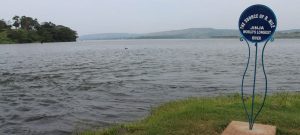
It is important to note that the Nile’s hydrology is more complicated than simply saying that the entire river starts at Jinja. The Nile has several major tributaries and source regions. The White Nile system is associated with the Great Lakes region of East Africa, while the Blue Nile rises from Lake Tana in Ethiopia. The two major branches meet at Khartoum in Sudan before the Nile continues northwards through Egypt.
For tourism purposes, however, Jinja remains internationally recognized as the Source of the Nile, making it one of the most popular places in Uganda for visitors who want to experience this legendary river.
River Nile and Lake Victoria
The River Nile is one of the world’s longest rivers and has supported human civilizations for thousands of years. Its waters flow through several countries before reaching the Mediterranean Sea. In Uganda, the river forms an important part of the country’s geography, supporting agriculture, fishing, transportation, tourism and numerous ecosystems.
The Nile leaves Lake Victoria at Jinja and begins its journey northwards. From Jinja, the Victoria Nile flows toward Lake Kyoga and eventually reaches Lake Albert. From there, it continues northwards as the Albert Nile into South Sudan.
Further downstream, the White Nile continues through South Sudan and Sudan. At Khartoum, it meets the Blue Nile, which originates in Ethiopia. The combined river then flows through northern Sudan and Egypt before reaching the Mediterranean Sea.
The Nile has played an extraordinary role in the development of the countries through which it flows. In Egypt and Sudan, its waters have historically been particularly important because large areas of these countries are dominated by arid and desert landscapes. The river provides water for agriculture, communities and ecosystems along its course. The Nile also creates a variety of landscapes along its journey, including wetlands, islands, rapids, waterfalls, floodplains and the famous Nile Delta in Egypt.
In Uganda, the river has a very different appearance from its later desert landscapes. Around Jinja, the Nile is surrounded by green vegetation, tropical landscapes and communities that have developed around the river and Lake Victoria.
Lake Victoria
Lake Victoria is another major reason why the Source of the Nile is such an interesting destination. It is Africa’s largest lake by surface area and one of the largest freshwater lakes in the world. The lake is shared between Uganda, Kenya and Tanzania, with Uganda occupying a significant portion of its northern and western shores. It supports millions of people through fishing, agriculture, transportation, tourism and other economic activities.
Lake Victoria also has numerous islands, some of which are important for fishing communities, wildlife and tourism. Around Jinja, the lake and its surrounding waterways create beautiful scenery that complements the Source of the Nile experience.
Rwanda is also connected to the wider Lake Victoria basin through the Kagera River system. Water from Rwanda and Burundi eventually flows into Lake Victoria through the Kagera River, making the lake part of a much larger regional drainage system.
The relationship between Lake Victoria and the Nile is therefore an important geographical feature of East Africa. Water enters Lake Victoria from rainfall, rivers and surrounding catchments and then flows out through the Nile at Jinja.
History of the Source of the Nile
The formation of the Lake Victoria basin and the Nile’s drainage system is the result of a long and complex geological history. East Africa has experienced major tectonic and volcanic activity over millions of years, particularly around the Great Rift Valley system.
Changes in the Earth’s crust created basins, highlands and drainage systems that influenced the direction in which rivers and streams flowed. Over very long periods, water accumulated in the Lake Victoria basin, creating the enormous lake that exists today.
The lake’s northern outlet eventually became connected to the Nile drainage system. This allowed water from Lake Victoria to flow northwards through the river system. The modern Source of the Nile at Jinja should therefore be understood as part of a much older natural process involving geological changes, rainfall, river systems and the formation of the Great Lakes of East Africa.
The Nile itself has been an important source of water and life for human communities for thousands of years. Long before European explorers arrived in East Africa, communities living around Lake Victoria and the Nile understood and interacted with these waterways.
The Discovery of the Source of the Nile
The search for the source of the Nile became a major geographical question for European explorers during the nineteenth century. For centuries, the exact source of the great river had been a subject of speculation and exploration.
One of the most famous explorers associated with the search was John Hanning Speke. In 1858, Speke reached Lake Victoria and identified the lake as the major source associated with the Nile system. During his later expedition with James Grant, he reached the northern shore of Lake Victoria and identified the river’s outlet at Jinja in 1862.
Speke named the lake Lake Victoria in honour of Queen Victoria of Britain. However, the lake already had names used by local communities. In Uganda, the name Nalubaale remains culturally significant and is widely used alongside Lake Victoria.
The local communities around the lake and Nile did not “discover” the water body in the European geographical sense because they had lived alongside it for generations. The historical significance of European exploration relates to the mapping and documentation of the river system for European geographical knowledge.
The story of the Nile’s exploration is therefore an important part of Jinja’s tourism appeal. Visitors can learn about the explorers, local communities and geographical discoveries that made the region internationally famous.
The Beauty of the Source of the Nile
The Source of the Nile offers a combination of natural scenery, cultural experiences and adventure activities. The landscape around Jinja is characterized by the meeting of the lake and river environments, green vegetation and views across the water.
One of the most enjoyable aspects of visiting the Source of the Nile is simply taking time to appreciate the scenery. The calm waters around some parts of the site contrast with the stronger currents and rapids found farther downstream.
The wider Jinja area is also known for its islands and waterways. Depending on the type of boat trip selected, visitors can explore sections of the Nile and Lake Victoria while enjoying views of the surrounding countryside. Birdlife is another attraction. The waterways and vegetation provide habitat for various water birds and other species. Visitors may see birds around the riverbanks, islands and lake shores while exploring the area.
The Nile and Lake Victoria also support fish species and other aquatic life. However, wildlife viewing around Jinja should not be compared with a traditional wildlife safari in Uganda’s national parks. The attraction here is primarily the combination of river scenery, adventure, history, culture and water-based tourism.
What to Do at the Source of the Nile
There are many activities to enjoy in Jinja and around the Source of the Nile. The town has developed into one of Uganda’s major adventure tourism destinations, with the Nile providing the foundation for many of these experiences.
Boat Trips on the Nile
A boat trip is one of the simplest ways to experience the Source of the Nile. Visitors can travel along the water while enjoying views of the river, surrounding vegetation and nearby islands. Boat trips vary in length and style. Some are designed primarily for sightseeing, while others combine the Nile experience with fishing, bird watching or cultural visits. A boat ride is also a good option for travelers who prefer a relaxed activity rather than a physically demanding adventure.
White-Water Rafting
White-water rafting on the Nile is one of Jinja’s most famous adventure activities. The river’s rapids provide an exciting experience for travelers seeking adventure. Professional rafting companies provide safety equipment, trained guides and instructions before participants enter the river. Depending on the chosen experience and current river conditions, rafting can range from moderate sections to more challenging rapids. Uganda Wildlife Authority recognizes white-water rafting on the Nile as one of the country’s important tourism and investment opportunities.
Sport Fishing
Sport fishing is another activity associated with the Nile and the wider Lake Victoria region. Anglers can participate in guided fishing trips targeting species found in the river and lake. Fishing trips require appropriate permits and should be conducted according to local regulations and responsible fishing practices. The experience is particularly attractive to travelers who want to combine the Source of the Nile with a specialized outdoor activity.
Jet Boating
Jet boating provides a fast-paced way to experience the Nile. High-powered boats navigate sections of the river, giving visitors an exciting combination of speed, water and scenery. This is particularly popular with travelers looking for a short but adventurous activity around Jinja.
Quad Biking
Quad biking is another popular adventure activity in the Jinja area. Rather than concentrating entirely on the river, quad biking allows visitors to explore the countryside surrounding the city. Riders can pass through rural landscapes, small communities, plantations and trails while experiencing a different side of eastern Uganda.
Mountain Biking
Mountain biking is another way to explore the Jinja countryside. Cycling routes can take visitors away from the busy town and into quieter rural areas. The activity can be combined with cultural experiences, village visits and scenic stops, making it suitable for travelers who want a more active way to experience local life.
Horse Riding
Horse riding provides a slower and more relaxed way of exploring the countryside around Jinja. Depending on the operator and route, visitors can ride through rural landscapes and along trails while learning about the local environment.
Cultural Experiences
Jinja and the wider Busoga region have a rich cultural heritage. The Basoga people are the dominant ethnic community in the region, and visitors can learn about their traditions, music, food, stories, crafts and way of life.
Cultural experiences can be particularly valuable when combined with a visit to the Source of the Nile because they demonstrate that the attraction is not only a geographical landmark but also part of a living cultural landscape. Visitors can purchase locally made crafts, learn about traditional practices and interact with local communities through responsible tourism experiences.
What is the Best Time to Visit the Source of the Nile?
The Source of the Nile and Jinja can be visited throughout the year. Uganda has a generally tropical climate, but weather conditions vary across the country and rainfall can occur even during traditionally drier periods. The relatively drier months of June to September and December to February are often popular with travelers because outdoor activities can be more convenient during periods of lower rainfall.
July, August and September are particularly popular for many Uganda safari itineraries because they coincide with one of the country’s main dry periods. December, January and February can also offer good conditions for outdoor activities. However, travelers should not assume that the Source of the Nile is inaccessible during the rainy seasons. Jinja remains a year-round destination, and activities continue when weather conditions permit.
Rain can even make the surrounding landscapes particularly green and attractive. The final decision about when to visit should therefore depend on the activities planned, the wider Uganda itinerary and personal travel preferences.
How to Get to the Source of the Nile
The Source of the Nile is located in Jinja City in eastern Uganda, approximately 80 kilometres east of Kampala by road, although the actual journey time depends on traffic, road conditions and the exact starting point.
For international visitors arriving through Entebbe International Airport, the journey normally begins with a transfer from Entebbe toward Kampala and then continues eastwards toward Jinja.
The road journey from Kampala to Jinja commonly takes around two hours or longer depending on traffic and road conditions. Travelers should allow additional time during busy periods. Jinja can also be reached by domestic or chartered flights using nearby airstrips where available, although road transfers remain the most common option for visitors combining Jinja with other Ugandan destinations.
Because Jinja lies along one of Uganda’s major tourism routes, it can easily be incorporated into longer itineraries. A traveler visiting Uganda for gorilla trekking, chimpanzee tracking or a traditional safari can add Jinja as part of a wider journey through the country.
Why Visit the Source of the Nile?
The Source of the Nile is more than a point marked on a map. It combines geography, history, culture and adventure in one destination. For history enthusiasts, it provides an opportunity to learn about nineteenth-century exploration and the long-standing relationship between East African communities and the Nile. Adventure travelers, Jinja offers rafting, jet boating, quad biking and other activities. For nature lovers, the combination of Lake Victoria, the Nile, islands and surrounding countryside creates beautiful scenery.
The destination is also important because the Nile continues to support communities far beyond Uganda. From its Great Lakes origins through South Sudan, Sudan and Egypt, the river has played a major role in the development of societies and ecosystems along its course. Uganda’s position at the beginning of the Nile’s journey through the country gives Jinja an important place in East Africa’s geographical and tourism story.
The Source of the Nile as Part of a Uganda Safari
A visit to the Source of the Nile can easily be combined with other attractions in Uganda. Travelers arriving from Entebbe or Kampala can spend time in Jinja before continuing to destinations such as Murchison Falls National Park, Kibale National Park, Queen Elizabeth National Park, Bwindi Impenetrable National Park or the Rwenzori Mountains.
For adventure travelers, Jinja can be combined with hiking and wildlife experiences elsewhere in Uganda. A visitor could enjoy white-water rafting on the Nile and later undertake chimpanzee trekking in Kibale or gorilla trekking in Bwindi. The combination of adventure and wildlife makes Uganda a particularly diverse destination. The country’s tourism authorities continue to promote activities ranging from gorilla trekking and safaris to white-water rafting and other water-based experiences.
Conclusion
The Source of the Nile in Jinja is one of Uganda’s most important geographical and tourism attractions. Located where the Nile flows out of Lake Victoria, the site connects one of Africa’s greatest rivers with one of the continent’s largest lakes.
Although the exact question of the Nile’s ultimate source involves a much larger and more complicated river system, Jinja remains internationally recognized as the source of the Victoria Nile and one of the most important places associated with the beginning of the Nile’s northward journey.
The attraction also offers much more than geographical significance. Visitors can enjoy boat trips, white-water rafting, sport fishing, jet boating, quad biking, mountain biking, horse riding and cultural experiences with communities in the Busoga region. The surrounding Lake Victoria landscape, islands, birdlife and green countryside add to the beauty of the destination, while the history of John Hanning Speke and the exploration of the Nile provides another reason to visit.
Whether you are interested in adventure, history, culture, geography or nature, the Source of the Nile provides an excellent addition to a Uganda safari. With Jinja’s growing reputation as an adventure tourism destination, visitors can experience the legendary Nile while also discovering the cultural and natural beauty of eastern Uganda. For more information about visiting the Source of the Nile, Jinja adventure activities or combining Jinja with a longer Uganda safari, feel free to contact us.