Mubwindi Swamp Birding Trail: Birds, Hiking & Guide
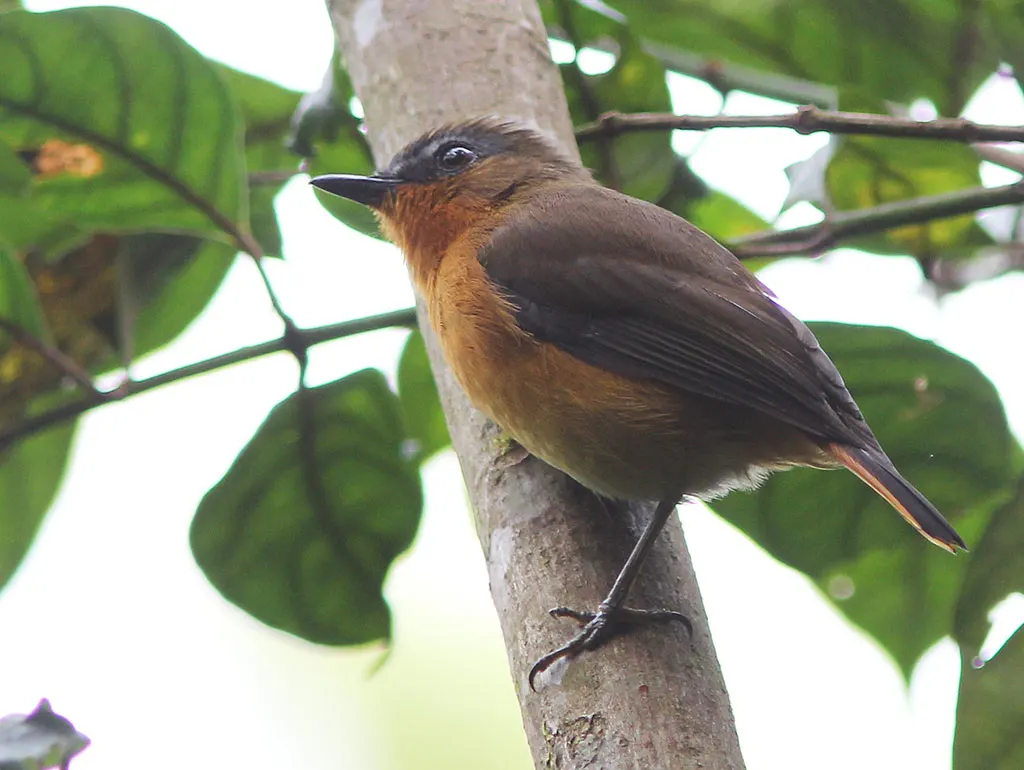
The Mubwindi Swamp Birding Trail is one of Uganda’s most rewarding forest birdwatching routes, located in the Ruhija sector of Bwindi Impenetrable National Park. Famous for the rare African green broadbill, Grauer’s swamp warbler and other Albertine Rift endemic birds, this mountainous trail attracts specialist birdwatchers from around the world. Visitors descend through ancient montane rainforest toward a secluded high-altitude swamp, encountering remarkable birdlife, beautiful forest scenery and an unforgettable wilderness experience in southwestern Uganda.
1. Mubwindi Swamp Birding Trail: Location, Facts and Overview
The Mubwindi Swamp Birding Trail lies in the eastern section of Bwindi Impenetrable National Park, near Ruhija in southwestern Uganda. This high-altitude forest route descends from the Ruhija ridge through dense montane vegetation toward a swamp surrounded by mountainous rainforest. The area forms part of the Albertine Rift biodiversity region, internationally recognised for its exceptional concentration of endemic birds and other specialised wildlife.
Unlike conventional birdwatching excursions along roadsides or open grasslands, Mubwindi requires visitors to walk into the rainforest with an authorised guide. The experience combines forest birding, mountain hiking and the opportunity to explore one of Bwindi’s most distinctive habitats. Birdwatchers particularly value the trail because it provides access to species that are difficult to observe elsewhere in Uganda.
Quick Facts About Mubwindi Swamp
| Feature | Details |
|---|---|
| Location | Ruhija, eastern Bwindi |
| Country | Uganda |
| National park | Bwindi Impenetrable National Park |
| Main activity | Guided forest birdwatching |
| Trail distance | Approximately 7–8 km return, depending on route |
| Typical duration | 4–6 hours; longer for dedicated birders |
| Difficulty | Moderate to strenuous |
| Main target bird | African green broadbill |
| Other notable species | Grauer’s swamp warbler, regal sunbird, Ruwenzori batis |
| Habitat | Montane rainforest and high-altitude swamp |
| Guide | Authorised park guide required |
| Best starting point | Ruhija |
| Recommended preparation | Hiking boots, binoculars, water and packed lunch |
2. Why Is Mubwindi Swamp Famous for Birdwatching?
Mubwindi Swamp is internationally recognised among specialist birdwatchers because of its association with the African green broadbill, also known as Grauer’s broadbill. This rare Albertine Rift endemic inhabits a limited range of mountainous forests and is difficult to locate because of its green plumage, secretive behaviour and preference for dense vegetation. For many birdwatchers visiting Uganda, finding this species is a major highlight.
The trail also provides opportunities to observe numerous other forest birds associated with Bwindi’s highland habitats. Its combination of forest canopy, understory vegetation, streams and swamp margins creates different birdwatching environments along a single route. Visitors may encounter mixed-species feeding flocks, colourful sunbirds, forest warblers and other species that make the experience rewarding even when the broadbill remains elusive.
3. African Green Broadbill: The Main Attraction
The African green broadbill (Pseudocalyptomena graueri) is one of the most sought-after birds in Uganda and a major reason birdwatchers visit Mubwindi Swamp. Also called Grauer’s broadbill, this small, predominantly green bird is associated with montane forests of the Albertine Rift. Its limited distribution and specialised habitat requirements make it an important species for bird conservation.
The bird’s green plumage provides excellent camouflage among rainforest leaves, making it difficult to detect without careful observation. Experienced birding guides often search suitable canopy and mid-level forest habitats while listening for vocalisations and watching for movement. Sightings cannot be guaranteed, and visitors should allow sufficient time because weather, breeding activity and daily bird movements influence the chances of finding it.
Where Can You See the African Green Broadbill in Uganda?
Bwindi Impenetrable National Park is the principal destination for birdwatchers seeking the African green broadbill in Uganda. The Ruhija–Mubwindi Swamp area is particularly well known for records of the species, although its exact location within suitable forest habitat can vary. Birdwatchers generally arrange guided excursions with local specialists familiar with the area’s birding conditions.
The species also occurs in parts of the eastern Democratic Republic of Congo, but access and conservation circumstances differ considerably between locations. For most travellers planning an organised Uganda birdwatching safari, Ruhija offers the most practical opportunity to search for this elusive Albertine Rift endemic.
Is the African Green Broadbill Easy to Find?
The African green broadbill is not an easy bird to observe because it spends much of its time among dense forest foliage. Its colouring blends with surrounding leaves, and individuals may remain difficult to locate even when present nearby. Successful sightings often require patience, careful listening and familiarity with suitable forest habitats.
Birdwatchers should avoid treating any season or particular tree as a guarantee of seeing the species. A knowledgeable local guide can improve the search by identifying promising areas and recognising relevant vocalisations. However, responsible birdwatching requires accepting that rare wildlife remains unpredictable in its natural environment.
4. Birds to See Along Mubwindi Swamp Birding Trail
The Mubwindi Swamp Birding Trail provides access to an exceptional range of highland forest birds, including species restricted largely to the Albertine Rift. Birdwatchers can search for birds in the canopy, dense understory, forest clearings and swamp vegetation. Each habitat supports different species, making the walk particularly rewarding for visitors interested in building a comprehensive Uganda birdwatching checklist.
Grauer’s Swamp Warbler
Grauer’s swamp warbler, also called Grauer’s rush warbler, is another highly sought-after Albertine Rift endemic associated with high-altitude wetlands. The species inhabits dense swamp vegetation and can be difficult to observe because it often remains concealed among grasses and other plants. Mubwindi’s wetland habitat provides an important opportunity to search for this specialised bird.
Birdwatchers may identify the species through its vocalisations before obtaining clear views. An experienced guide can help distinguish it from other small birds occupying similar vegetation. Visitors should remain on authorised routes and avoid disturbing sensitive swamp habitats while searching for this remarkable species.
Regal Sunbird
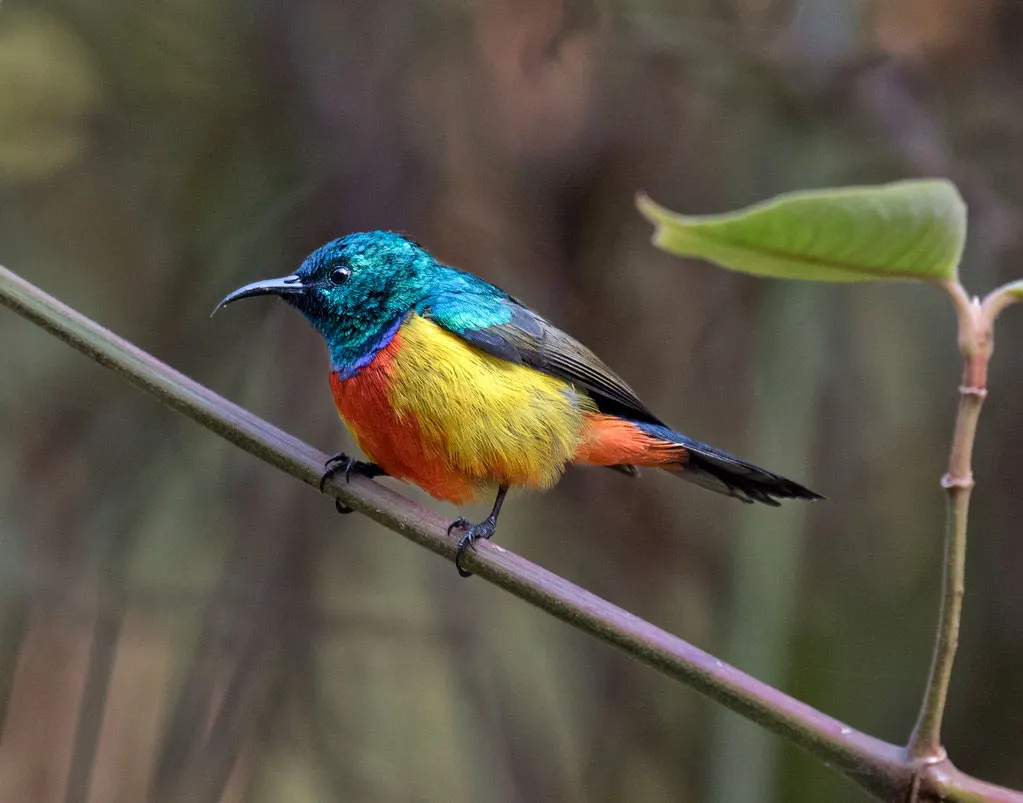
The regal sunbird is among the most colourful birds associated with the Albertine Rift’s montane forests. Its striking plumage and active feeding behaviour make it a favourite among birdwatchers and wildlife photographers. The species can be encountered in suitable forest vegetation, particularly where flowering plants provide nectar and attract insects.
Observing regal sunbirds often requires patience because they move quickly between branches and flowers. Photographers should prepare for changing light conditions beneath the rainforest canopy. The species is one of several beautiful highland birds that make Ruhija attractive even for visitors who are not searching exclusively for rare endemics.
Ruwenzori Batis
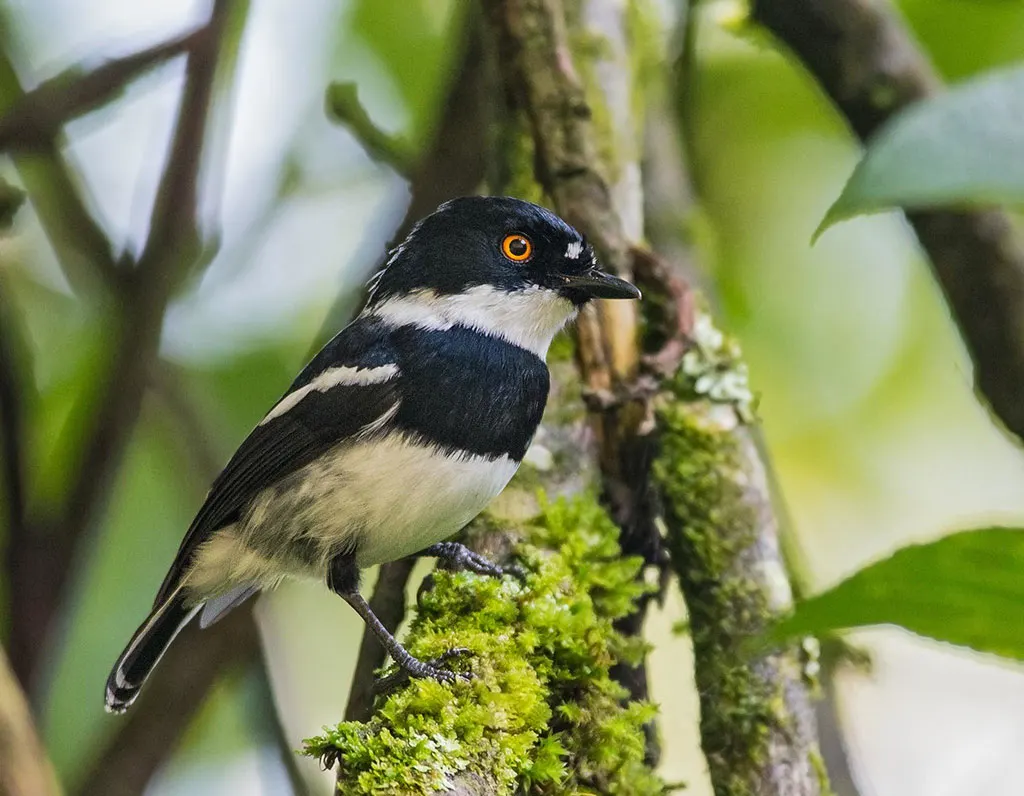
The Ruwenzori batis is a small forest bird associated with the mountainous Albertine Rift region. Its distinctive appearance and movements through forest vegetation make it an interesting target for specialist birdwatchers. The species may be encountered in suitable habitats around Ruhija and other high-altitude forest areas within Bwindi Impenetrable National Park.
Birdwatchers often rely on calls and careful observation to locate this active species. Dense foliage can make photography challenging, particularly when birds remain high in the vegetation. A knowledgeable guide can help visitors recognise its vocalisations and distinguish it from other small forest birds.
Handsome Francolin
The handsome francolin is a distinctive highland bird associated with mountainous forest and nearby vegetation in the Albertine Rift. Its attractive plumage and secretive behaviour make it a rewarding species for birdwatchers exploring Ruhija. Visitors may encounter the bird along suitable forest edges or trails, although sightings depend on local conditions.
Early morning birdwatching can be productive for searching for forest birds that become less active or harder to observe later in the day. Visitors should move quietly and avoid disturbing vegetation while exploring potential habitats. The handsome francolin is one of several species that contribute to Ruhija’s reputation as a specialist birdwatching destination.
Shelley’s Crimsonwing
Shelley’s crimsonwing is one of the most elusive and highly prized birds associated with the Albertine Rift’s montane forests. This small finch is difficult to observe because it inhabits dense vegetation and may remain concealed for extended periods. Its rarity and secretive behaviour make it a particularly exciting target for experienced birdwatchers.
Although the species has been recorded within the wider Bwindi highland environment, visitors should not expect a guaranteed sighting along the Mubwindi trail. Searching for crimsonwings requires patience, suitable habitat knowledge and a willingness to spend time observing dense vegetation without disturbing the birds.
Other Birds to Look for in Ruhija
Beyond the best-known endemics, birdwatchers exploring Ruhija and the Mubwindi trail may encounter numerous forest species. Potential targets include Archer’s robin-chat, blue-headed sunbird, stripe-breasted tit, black-faced rufous warbler, mountain-masked apalis, dusky crimsonwing and Doherty’s bushshrike. Some species are more likely along forest edges, while others prefer dense interior vegetation.
A successful birdwatching excursion involves observing several habitats rather than focusing exclusively on the swamp. Experienced guides can identify promising areas based on weather, bird calls and feeding activity. Visitors should carry binoculars and allow sufficient time to examine mixed-species flocks carefully.
5. Mubwindi Swamp Trail Distance, Duration and Difficulty
The Mubwindi Swamp trail is commonly described as approximately seven to eight kilometres for a return walk, although the distance varies according to the starting point and route used. The trail descends from the Ruhija highlands toward the swamp before climbing back through mountainous rainforest. This elevation change is one of the most important factors affecting the walk’s difficulty.
A typical excursion may take four to six hours, but dedicated birdwatchers often spend considerably longer because they stop frequently to identify birds and examine forest habitats. Visitors searching for rare species should consider allocating most of the day. The final duration depends on fitness, weather, bird activity and the guide’s recommended route.
Is the Mubwindi Swamp Trail Difficult?
The trail is moderately to highly demanding because it involves steep forest slopes, uneven ground and potentially slippery sections. Descending toward the swamp can feel relatively manageable, but the return climb requires more physical effort. Rainfall may make exposed roots, clay surfaces and narrow paths particularly challenging.
Visitors should have reasonable walking fitness and wear sturdy hiking boots with reliable grip. Trekking poles can provide additional support during steep sections, especially when the ground is wet. Travellers with mobility concerns should discuss their circumstances with their safari operator before booking the excursion.
How Long Does It Take to Reach Mubwindi Swamp?
The time required to reach Mubwindi Swamp varies according to walking speed, weather and the number of birdwatching stops. Some visitors descend relatively quickly, while specialist birdwatchers may spend several hours examining forest habitats before reaching the swamp. The return journey usually requires additional physical effort because of the uphill climb.
Travellers should avoid planning the walk around a strict timetable, particularly when searching for the African green broadbill. A flexible schedule allows time to investigate bird calls, observe mixed-species flocks and rest during demanding sections. For serious birdwatchers, a full-day allocation is generally the most practical arrangement.
6. What to Expect During the Mubwindi Birding Walk
A typical Mubwindi birdwatching excursion begins early in the morning around Ruhija, where visitors meet their authorised park guide and any specialist birding guide arranged for the activity. After confirming the route and safety requirements, the group enters the forest and begins descending through high-altitude vegetation toward the swamp.
The walk involves frequent stops to listen for bird calls, scan the canopy and examine areas where particular species have previously been recorded. Guides may adjust the pace according to bird activity and the group’s fitness. Visitors should remain quiet, follow the authorised route and avoid disturbing wildlife or sensitive vegetation.
Birdwatching Through Montane Rainforest
The upper sections of the trail pass through dense montane rainforest, where birdwatchers can search for forest specialists among the canopy and understory. Moss-covered branches, ferns and thick vegetation create an atmospheric environment, particularly during misty mornings. Bird calls may be heard from different forest levels, making careful listening an important part of the experience.
Mixed-species feeding flocks can provide exciting birdwatching opportunities because several species may move together through the vegetation. However, dense foliage and limited visibility require patience. A specialist guide can help identify birds quickly before they disappear into the forest.
Birdwatching Around the Swamp
As the trail approaches Mubwindi Swamp, the vegetation changes from closed forest toward wetter habitats and swamp margins. These conditions support birds associated with high-altitude wetlands, including Grauer’s swamp warbler. The surrounding forest also remains important for species that use different habitats during feeding and movement.
Visitors should remain on designated paths and avoid entering sensitive swamp vegetation without authorisation. Wetland habitats are ecologically important and can be easily damaged by unnecessary disturbance. Responsible birdwatching helps preserve the environment that supports Mubwindi’s specialised birdlife.
7. Best Time to Visit Mubwindi Swamp for Birdwatching
Birdwatching at Mubwindi Swamp is possible throughout the year, although seasonal rainfall influences trail conditions and visitor comfort. The relatively drier months from June to September and December to February generally provide more manageable hiking conditions. However, Bwindi is a tropical rainforest, and rainfall can occur during any month.
The wetter periods, particularly March to May and October to November, bring lush vegetation and potentially muddy trails. Bird activity can remain rewarding, but heavy rainfall may make the descent and return climb more demanding. Travellers should choose their travel dates according to their target species, hiking ability and preferred weather conditions.
Best Time to See the African Green Broadbill
The African green broadbill can be difficult to locate throughout the year because its visibility depends on habitat use, vocal activity and breeding behaviour. Birdwatchers sometimes target periods when the species is more vocal or active around breeding territories, but these conditions vary and should not be treated as guaranteed seasonal patterns.
Travellers specifically interested in this species should consult an experienced local birding guide before finalising their dates. Guides familiar with recent observations can provide practical advice about suitable search areas and expected conditions. Allowing additional birdwatching time is often more valuable than relying on a single supposedly ideal month.
Is Morning or Afternoon Better for Mubwindi Birding?
Early morning is generally recommended for Mubwindi birdwatching because many forest birds are active during the cooler hours. Starting early also provides more time for the descent, birdwatching stops and the demanding return climb. Weather conditions may become less predictable later in the day, particularly during wetter periods.
Visitors should arrange an early breakfast or packed meal before departing. Specialist birdwatchers may spend much of the day on the trail, depending on their target species and walking pace. Adequate preparation helps ensure that the excursion remains enjoyable rather than rushed.
8. How to Get to Mubwindi Swamp Birding Trail
The Mubwindi Swamp Birding Trail is accessed from Ruhija, the eastern sector of Bwindi Impenetrable National Park. Travellers must first reach Ruhija by road before joining an authorised guided excursion into the forest. The area is accessible from Kampala, Entebbe, Kabale and Kigali, although journey times depend on road conditions and the selected route.
Getting to Mubwindi Swamp From Kampala or Entebbe
Travellers starting from Kampala or Entebbe generally drive toward southwestern Uganda through the Masaka and Mbarara corridor before continuing toward Kabale and Ruhija. The journey commonly takes approximately eight to ten hours, depending on traffic, weather and the exact accommodation location.
Because the drive is long, visitors should plan to arrive in Ruhija the day before their birdwatching excursion. This allows sufficient time for rest and an early morning start. Great Apes Tours Africa can organise private safari transport and accommodation near the trail access area.
Getting to Mubwindi Swamp From Kigali
Visitors arriving through Kigali International Airport can travel to Ruhija through Uganda’s southwestern border crossings, including Katuna near Kabale. The road journey generally takes approximately five to seven hours, depending on immigration procedures, traffic and road conditions.
Kigali provides a practical starting point for travellers combining Rwanda with birdwatching or gorilla trekking in Bwindi. However, visitors should confirm passport, visa and border requirements before travelling. An overnight stay in Ruhija is recommended before undertaking the Mubwindi trail.
Flying to Ruhija for Mubwindi Birdwatching
Travellers can reduce long-distance road travel by arranging a domestic flight from Entebbe to Kihihi Airstrip, followed by a private transfer to Ruhija. Flight schedules, baggage restrictions and road transfer times should be confirmed before booking.
Flying can be particularly convenient for visitors with limited holiday time or those planning luxury birdwatching safaris. However, the final transfer still involves mountainous roads, and travellers should allow sufficient time to reach their accommodation before the following morning’s excursion.
9. Mubwindi Swamp Birdwatching Fees and Guide Arrangements
Birdwatching in Bwindi Impenetrable National Park requires appropriate park authorisation and payment of applicable Uganda Wildlife Authority fees. The cost depends on the visitor’s category, the activity selected and the official tariff period. Travellers should also clarify whether park entrance, ranger services and specialist birding guide arrangements are included in their quotation.
Birdwatching and Nature Walk Fees
The Uganda Wildlife Authority’s published conservation tariff for 2027–2028 lists the following rates for birdwatching and nature walks in Bwindi. These are general activity fees and should not automatically be interpreted as a complete quotation for a privately guided Mubwindi Swamp excursion.
| Visitor Category | Birdwatching and Nature Walk Fee |
|---|---|
| Foreign non-residents | USD 40 |
| Foreign residents | USD 30 |
| Rest of Africa | USD 30 |
| East African Community citizens | UGX 30,000 |
The same published tariff lists separate park entrance fees, so travellers should confirm whether entrance is payable in addition to the selected activity. Specialist birding guide services, transportation, accommodation and meals may also be charged separately. Because Mubwindi is a controlled forest route, visitors should arrange access through the park authorities or an experienced safari operator before travelling.
Do You Need a Guide for Mubwindi Swamp?
Visitors should arrange the Mubwindi Swamp walk through authorised park personnel and undertake the excursion with the required ranger guide. The forest contains steep terrain, dense vegetation and sensitive wildlife habitats, making professional guidance important for visitor safety and conservation.
For specialist birdwatchers, an additional experienced birding guide can greatly improve the experience. Such guides understand local bird calls, habitats and identification challenges. Great Apes Tours Africa can help arrange suitable guiding services according to the traveller’s target species and birdwatching experience.
10. Best Accommodation Near Mubwindi Swamp
Staying in Ruhija is generally the most convenient option for travellers planning the Mubwindi Swamp Birding Trail. Accommodation in the area ranges from relatively affordable forest camps to comfortable mid-range and upscale lodges. Choosing a property near the trail access area reduces early morning travel and allows visitors to begin birdwatching at a suitable time.
Ruhija Gorilla Safari Lodge
Ruhija Gorilla Safari Lodge provides accommodation in the eastern Bwindi area and serves as a convenient base for gorilla trekking and birdwatching activities. Its location appeals to travellers who want to explore the highland rainforest while enjoying comfortable accommodation.
Guests can combine a guided Mubwindi Swamp excursion with gorilla trekking or other nature activities around Ruhija. Travellers should confirm current facilities, room categories, meal arrangements and transfer times before booking.
Bakiga Lodge
Bakiga Lodge is another accommodation option near Ruhija, offering a scenic highland setting suitable for visitors exploring eastern Bwindi. The property appeals to travellers seeking comfortable facilities and convenient access to gorilla trekking and forest birdwatching.
Its location makes it practical for birdwatchers planning an early morning excursion toward Mubwindi Swamp. Visitors should confirm current accommodation standards, meal services and transfer arrangements when preparing their itinerary.
Broadbill Forest Camp
Broadbill Forest Camp is particularly attractive to birdwatchers because of its natural setting near Ruhija’s forest habitats. The camp offers a relatively affordable option for travellers who prefer a simple atmosphere while exploring Bwindi’s exceptional birdlife.
Visitors can use the camp as a base for guided birdwatching excursions and gorilla trekking activities. Accommodation facilities may be simpler than those at upscale lodges, so guests should confirm room arrangements, bathroom facilities and meal services before booking.
11. Combining Mubwindi Birdwatching With Gorilla Trekking
Ruhija is one of Bwindi’s four official mountain gorilla trekking sectors, making it an excellent destination for travellers interested in both gorillas and rare forest birds. Visitors can spend one day searching for the African green broadbill along the Mubwindi trail and another trekking habituated mountain gorillas under ranger supervision.
Combining these activities provides a broader understanding of Bwindi’s biodiversity. Gorilla trekking focuses on observing endangered primates, while birdwatching introduces visitors to the park’s specialised forest habitats and Albertine Rift endemics. Travellers should allocate separate days for the two activities because both can involve demanding forest walks.
Suggested Three-Day Ruhija Birding and Gorilla Safari
Day 1: Arrival in Ruhija. Travel from Kigali, Entebbe or another Uganda destination to Ruhija in eastern Bwindi. Check into your selected lodge and enjoy the surrounding highland scenery. Depending on arrival time, an introductory birdwatching excursion around suitable forest-edge habitats may be possible. Overnight in Ruhija.
Day 2: Mubwindi Swamp Birdwatching. Begin early with an authorised ranger and specialist birding guide. Descend through the montane rainforest while searching for African green broadbill, Ruwenzori batis, regal sunbird and other forest birds. Continue toward the swamp to search for wetland specialists before returning to the lodge. Overnight in Ruhija.
Day 3: Gorilla Trekking. After an early breakfast, attend the gorilla trekking briefing at the designated Ruhija headquarters. Enter the rainforest with experienced rangers and trackers to search for your assigned mountain gorilla family. Once located, spend up to one hour observing the gorillas before returning from the forest. Travellers can then continue their safari or arrange an additional overnight stay.
12. What to Pack for Mubwindi Swamp Birdwatching
The Mubwindi Swamp trail requires suitable hiking equipment because visitors descend through mountainous rainforest and may encounter slippery paths, dense vegetation and unpredictable weather. Birdwatchers should prioritise practical clothing, comfortable footwear and reliable optical equipment. Preparing properly helps visitors concentrate on identifying birds rather than managing avoidable discomfort.
- Binoculars and bird identification equipment: Carry good-quality binoculars suitable for observing birds in dense forest and changing light conditions. A field guide or digital bird checklist can help identify species and record sightings. Specialist photographers may also bring cameras with suitable telephoto lenses, although heavy equipment should be balanced against the physical demands of the trail.
- Waterproof hiking boots and walking poles: Wear sturdy boots with good ankle support and reliable traction for muddy trails and steep slopes. Walking poles can provide additional stability during the descent and return climb. Travellers should wear their boots before the excursion to reduce the risk of blisters or discomfort during several hours of hiking.
- Rain jacket and warm clothing: Carry a lightweight waterproof jacket because rainfall can occur unexpectedly in Bwindi’s mountainous rainforest. Ruhija’s higher elevation can also produce cool temperatures, particularly during early morning birdwatching. Breathable layers allow visitors to adjust their clothing as temperatures change during the hike.
- Drinking water and packed lunch: Bring sufficient drinking water and food for a potentially long forest excursion. Specialist birdwatchers may spend most of the day searching for target species, making adequate supplies important. Visitors should carry all litter back from the forest and follow park instructions regarding food consumption and wildlife protection.
- Camera protection and spare batteries: Forest bird photography can be challenging because of low light, mist and occasional rainfall. Waterproof camera covers, spare batteries and additional memory cards can help protect equipment and prevent interruptions. Travellers should also consider the weight of their photographic equipment because the return climb can be physically demanding.
13. Conservation Importance of Mubwindi Swamp
Mubwindi Swamp forms part of Bwindi Impenetrable National Park’s remarkable highland ecosystem. Its wetland vegetation and surrounding montane rainforest support specialised bird species, including rare Albertine Rift endemics. Protecting these habitats is important because many forest birds depend on specific ecological conditions and have relatively restricted geographic distributions.
Responsible tourism can contribute to conservation by supporting park management and creating economic opportunities for local guides and communities. Visitors should remain on authorised trails, avoid disturbing nesting birds and refrain from damaging vegetation. Birdwatchers should also avoid excessive playback of recorded bird calls, particularly around sensitive species and breeding sites.
14. Frequently Asked Questions About Mubwindi Swamp Birding Trail
Where Is Mubwindi Swamp Birding Trail Located?
The Mubwindi Swamp Birding Trail is located in the Ruhija sector of Bwindi Impenetrable National Park in southwestern Uganda. The route descends from the eastern highlands through montane rainforest toward a secluded swamp. Visitors generally access the trail from Ruhija with an authorised park guide. The area is particularly famous for African green broadbill and other Albertine Rift endemic birds.
How Long Is Mubwindi Swamp Birding Trail?
The Mubwindi Swamp trail is commonly described as approximately seven to eight kilometres for a return walk, depending on the selected route and starting point. The excursion generally takes four to six hours, although specialist birdwatchers may spend longer searching for rare species. Visitors should prepare for a steep return climb and allow additional time during wet weather.
Is Mubwindi Swamp Birding Trail Difficult?
The trail is moderately to highly demanding because it descends through steep mountainous rainforest before climbing back toward Ruhija. Visitors may encounter muddy paths, slippery roots and uneven ground, particularly during rainy periods. Reasonable physical fitness and suitable hiking boots are recommended. Travellers with mobility concerns should discuss alternative birdwatching arrangements before booking.
What Is the Most Famous Bird at Mubwindi Swamp?
The African green broadbill, also known as Grauer’s broadbill, is the most famous bird associated with Mubwindi Swamp. This rare Albertine Rift endemic attracts specialist birdwatchers from around the world. Its green plumage and preference for dense forest vegetation make it difficult to observe. Sightings are never guaranteed, so visitors should allow sufficient time and use experienced local guides.
Can You See Grauer’s Swamp Warbler at Mubwindi?
Yes, Grauer’s swamp warbler is one of the notable bird species associated with Mubwindi’s high-altitude wetland habitat. The species inhabits dense swamp vegetation and can be difficult to observe clearly. Birdwatchers often rely on vocalisations and experienced guides to locate it. Visitors should remain on authorised trails and avoid disturbing sensitive wetland vegetation.
What Is the Best Time to Visit Mubwindi Swamp?
Mubwindi Swamp can be visited throughout the year, although the relatively drier months from June to September and December to February generally provide more manageable hiking conditions. Rainfall can occur during any month because Bwindi is a tropical rainforest. Travellers targeting specific bird species should consult an experienced local guide about recent observations and suitable search conditions.
Do You Need a Guide for Mubwindi Swamp?
Yes, visitors should arrange the trail through authorised park personnel and undertake the walk with the required ranger guide. The route passes through mountainous rainforest and sensitive wildlife habitats, making professional guidance important. Specialist birdwatchers may also benefit from an experienced local birding guide who understands forest bird calls, identification challenges and suitable habitats.
Can You Combine Mubwindi Birding With Gorilla Trekking?
Yes, Ruhija offers both mountain gorilla trekking and specialist birdwatching opportunities, making it an excellent destination for a combined primate and birding safari. Travellers can spend one day exploring the Mubwindi Swamp trail and another trekking habituated gorillas. Separate activity arrangements and permits are required, and visitors should allow sufficient time for rest between demanding forest excursions.
How Much Does Mubwindi Swamp Birdwatching Cost?
The Uganda Wildlife Authority’s published 2027–2028 tariff lists general birdwatching and nature walk fees of USD 40 for foreign non-residents, USD 30 for foreign residents and Rest of Africa visitors, and UGX 30,000 for East African Community citizens. Park entrance, specialist guiding and transport may be charged separately. Travellers should confirm the complete cost and authorisation requirements before booking.
Is Mubwindi Swamp Suitable for Beginner Birdwatchers?
Beginner birdwatchers can enjoy the Mubwindi Swamp trail, particularly when accompanied by an experienced guide who explains bird identification and forest ecology. However, the route’s steep slopes and potentially muddy conditions require reasonable physical fitness. Visitors who prefer less demanding walks can explore alternative birdwatching areas around Ruhija before attempting the full swamp trail.
15. Plan Your Mubwindi Swamp Birding Safari With Great Apes Tours Africa
The Mubwindi Swamp Birding Trail offers one of Uganda’s most rewarding opportunities to explore high-altitude rainforest and search for rare Albertine Rift endemic birds. From the elusive African green broadbill to the specialised Grauer’s swamp warbler, the trail introduces visitors to remarkable species within one of Africa’s most important conservation landscapes.
Great Apes Tours Africa organises tailor-made birdwatching safaris throughout Uganda, Rwanda and other East African destinations. Our local safari specialists can arrange private transportation, suitable accommodation, authorised park activities and experienced birding guides. We can also combine Mubwindi Swamp with gorilla trekking in Ruhija, birdwatching in Buhoma, chimpanzee trekking in Kibale and wildlife safaris in Queen Elizabeth National Park.
Book Your Mubwindi Swamp Birdwatching Experience
Share your preferred travel dates, number of travellers, birdwatching experience and target species with Great Apes Tours Africa. Our team will help arrange a personalised itinerary that includes the Mubwindi Swamp Birding Trail, suitable accommodation in Ruhija and additional wildlife experiences according to your interests.
Explore Mubwindi Swamp with Great Apes Tours Africa and discover the extraordinary birds and montane rainforest of Bwindi Impenetrable National Park.