Ruhija Gorilla Sector: Location, Families & Costs
The Ruhija Gorilla Sector is one of the four mountain gorilla trekking sectors in Bwindi Impenetrable National Park, located in southwestern Uganda. Situated in the eastern part of Bwindi, Ruhija is famous for its habituated mountain gorilla families, mist-covered rainforest, exceptional birdwatching opportunities and breathtaking highland scenery. Travellers visiting this sector can experience gorilla trekking, explore the renowned Mubwindi Swamp birding trail and enjoy a quieter atmosphere compared with some of Bwindi’s more established tourism areas.
1. Ruhija Gorilla Sector: Location and Overview
The Ruhija Gorilla Sector lies in the eastern section of Bwindi Impenetrable National Park, a UNESCO World Heritage Site in southwestern Uganda. The area occupies an elevated section of the Albertine Rift landscape, characterised by mountainous rainforest, steep valleys and dense vegetation. Ruhija is one of Bwindi’s four official gorilla trekking sectors, alongside Buhoma, Rushaga and Nkuringo, and provides visitors with opportunities to observe endangered mountain gorillas in their natural habitat.
Ruhija is particularly attractive to travellers who appreciate peaceful forest environments, wildlife photography and birdwatching. The sector’s higher elevation creates a cool mountain climate, while its forest trails provide access to habitats supporting mountain gorillas, forest birds and other wildlife. Visitors can combine gorilla trekking with guided birdwatching excursions, forest walks and community experiences, making Ruhija a rewarding destination for nature-focused Uganda safaris.
Quick Facts About Ruhija Gorilla Sector
| Feature | Details |
|---|---|
| National park | Bwindi Impenetrable National Park |
| Location | Eastern Bwindi, southwestern Uganda |
| Country | Uganda |
| Main activity | Mountain gorilla trekking |
| Other activities | Birdwatching, guided forest walks, cultural experiences |
| Famous birding destination | Mubwindi Swamp |
| Gorilla viewing duration | Up to one hour |
| Minimum trekking age | 15 years |
| Nearby trekking sectors | Buhoma and Rushaga |
| Main access towns | Kabale and nearby southwestern Uganda communities |
| Best-known attractions | Mountain gorillas, Albertine Rift birds, rainforest scenery |
2. Why Visit Ruhija Gorilla Sector?
Ruhija offers a distinctive mountain gorilla trekking experience because of its elevated rainforest environment and relatively peaceful surroundings. Unlike destinations focused mainly on game drives and open savannah wildlife, Ruhija introduces visitors to a dense mountain ecosystem where gorillas move through forested slopes and valleys. Each trek provides an opportunity to observe natural gorilla behaviour while learning about conservation efforts that protect these endangered primates.
The sector also attracts birdwatchers interested in rare Albertine Rift species, particularly the African green broadbill. Its proximity to the Mubwindi Swamp trail makes Ruhija one of Bwindi’s most important birdwatching areas. Travellers can combine gorilla trekking with specialist birding excursions, forest photography and scenic walks, creating a broader nature experience than a single morning gorilla encounter.
3. How Many Gorilla Families Are in Ruhija?
Ruhija is historically associated with four well-known mountain gorilla groups: Bitukura, Oruzogo, Kyaguriro and Mukiza. However, these names should not automatically be interpreted as four families available for ordinary tourist trekking on every date. Gorilla groups may participate in tourism, research or conservation monitoring under different arrangements, and their status can change as wildlife authorities update management programmes.
The Uganda Wildlife Authority determines which gorilla families are available for trekking and how visitors are allocated. Mountain gorilla groups also change naturally through births, deaths, leadership transitions and family divisions. Travellers should therefore confirm the current number of tourist-accessible families before booking, especially when researching older articles that may list groups whose tourism status has changed.
4. Gorilla Families in Ruhija Sector
Each gorilla family associated with Ruhija has a unique history shaped by silverback leadership, social relationships and natural changes in group membership. Some groups have long histories of tourism habituation, while others have been important for scientific research. Understanding these differences helps travellers appreciate the conservation work behind mountain gorilla trekking and explains why gorilla family lists can vary between publications.
Bitukura Gorilla Family
The Bitukura gorilla family is among Ruhija’s best-known habituated mountain gorilla groups. The family takes its name from a river in the area and became available for tourism in 2008. Its history includes several adult males and changing leadership relationships, making it an interesting example of the complex social structures found among mountain gorillas.
Bitukura inhabits the mountainous rainforest of eastern Bwindi, where its members search for leaves, stems, shoots and other vegetation. Visitors assigned to the group may observe feeding, grooming, resting and interactions between adults and juveniles. However, the family’s exact location changes daily, meaning trekking distances and difficulty vary. Wildlife authorities determine visitor access according to current monitoring and tourism arrangements.
Oruzogo Gorilla Family
The Oruzogo gorilla family became available for tourism in 2011 and is another well-known group associated with Ruhija. The family has attracted attention because of its social interactions and the presence of young gorillas during different periods of its history. Like other mountain gorilla groups, Oruzogo experiences natural changes in membership as individuals mature and social relationships evolve.
Visitors trekking Oruzogo may encounter gorillas resting beneath the forest canopy, feeding on vegetation or interacting within their social group. Young gorillas sometimes display playful behaviour, while mature silverbacks monitor their surroundings. However, sightings and behaviour cannot be guaranteed, and the family may move across challenging terrain. Rangers and trackers determine the route based on the group’s latest known location.
Kyaguriro Gorilla Family
The Kyaguriro gorilla group is particularly important in the history of mountain gorilla research in Bwindi Impenetrable National Park. Researchers have monitored the group to understand gorilla ecology, social behaviour and population dynamics. Its history includes leadership changes and divisions that contributed to the development of separate social groups within the Ruhija area.
Kyaguriro is frequently mentioned in descriptions of Ruhija’s gorilla families, but its research history should not be confused with guaranteed availability for ordinary tourist trekking. Wildlife authorities manage research and tourism activities according to conservation requirements. Travellers interested in this group should confirm its current status rather than assuming that a standard gorilla permit provides access to it.
Mukiza Gorilla Family
The Mukiza gorilla family developed following changes within the Kyaguriro population. The group takes its name from a prominent silverback associated with its leadership and formation. Its history illustrates how mountain gorilla families evolve when mature males establish independent groups and maintain social relationships with females and younger individuals.
Mukiza is associated with the forested hills of the Ruhija area, where gorillas move in search of food and suitable resting places. Visitors interested in trekking the family should confirm whether it is available for ordinary tourism on their preferred date. As with all gorilla groups, membership, leadership and daily location can change, making current wildlife authority information more reliable than historical family counts.
5. What Is Gorilla Trekking Like in Ruhija?
Gorilla trekking in Ruhija begins with an early morning briefing at the designated Uganda Wildlife Authority meeting point. Rangers explain trekking procedures, gorilla conservation regulations and visitor safety requirements before allocating participants to available groups. Experienced trackers monitor the gorillas’ movements and communicate their locations to the guiding teams, helping visitors navigate the rainforest.
The trekking experience may involve walking along narrow forest trails, descending steep slopes and crossing muddy sections of the rainforest. Depending on the gorillas’ location, the search may take a relatively short time or several hours. Once the assigned family is located, visitors receive up to one hour to observe the gorillas under ranger supervision before returning from the forest.
What Happens During the One-Hour Gorilla Encounter?
During the one-hour encounter, visitors may observe mountain gorillas feeding, grooming, resting and communicating with other family members. Young gorillas sometimes play around their mothers, while mature silverbacks maintain awareness of their surroundings. Rangers explain aspects of gorilla behaviour and help visitors understand the social relationships within the group.
Although habituated gorillas generally tolerate controlled human presence, they remain powerful wild animals. Visitors must maintain the required viewing distance, avoid touching the gorillas and follow ranger instructions throughout the encounter. Flash photography is prohibited, and tourists should avoid loud conversations or sudden movements. These precautions protect the gorillas and help maintain safe, responsible wildlife experiences.
6. How Difficult Is Gorilla Trekking in Ruhija?
Gorilla trekking in Ruhija can be physically demanding because the sector occupies an elevated mountainous landscape with steep slopes, uneven trails and dense forest vegetation. Some gorilla families may be located relatively close to the starting point, while others require longer hikes through challenging terrain. Trekking difficulty therefore depends on the gorillas’ daily movements rather than the sector alone.
Travellers do not need professional hiking experience, but reasonable physical fitness can make the activity more comfortable. Visitors should prepare for changing weather, muddy ground and potentially strenuous climbs. Anyone concerned about mobility or fitness should discuss their circumstances with their safari operator before booking. Local porter services and other assistance arrangements may be available, depending on individual needs and park procedures.
7. Ruhija Gorilla Trekking Permit Costs
Visitors must obtain an official gorilla trekking permit before entering Ruhija to observe mountain gorillas. The Uganda Wildlife Authority manages permit allocation and limits the number of visitors assigned to each habituated family. A standard permit allows one hour with the gorillas after they have been located, although the overall trekking experience may last several hours.
Uganda Gorilla Trekking Permit Prices
The following figures are historical standard rates commonly quoted for Uganda gorilla trekking. They are provided for general budgeting context rather than as confirmed prices for every future departure date.
| Visitor Category | Historical Standard Rate |
|---|---|
| Foreign non-residents | USD 800 |
| Foreign residents | USD 700 |
| Rest of Africa | USD 500 |
| East African Community citizens | UGX 300,000 |
Important: Uganda Wildlife Authority tariffs are subject to revision. Travellers booking for 2027 or later should request the official rate applicable to their travel date and nationality before paying for permits.
What Does a Ruhija Gorilla Trekking Permit Include?
A standard Ruhija gorilla trekking permit covers authorised participation in the trekking activity, ranger-guided access to the assigned gorilla family and up to one hour of gorilla observation. The permit also contributes to wildlife conservation and park management. However, it does not automatically include accommodation, private safari transportation, porter services or personal expenses.
Travellers should therefore distinguish between the permit price and the total cost of a gorilla safari. A complete safari package may include accommodation, meals, airport transfers, a private driver-guide and additional activities. Great Apes Tours Africa can help organise these arrangements according to the traveller’s preferred accommodation category and safari duration.
8. How to Book Gorilla Trekking Permits for Ruhija
Travellers should reserve Ruhija gorilla trekking permits well in advance, particularly during the popular June-to-September and December-to-February travel periods. Permit availability depends on the number of habituated families accepting tourists and the daily visitor limits established by wildlife authorities. Early reservations also make it easier to secure accommodation near the correct trekking headquarters.
Before requesting a permit, confirm your intended trekking date, number of participants and preferred Bwindi sector. A permit for Ruhija does not automatically allow trekking in Buhoma, Rushaga or Nkuringo. Wildlife authorities generally allocate visitors to available gorilla families during the morning briefing, meaning travellers cannot rely on receiving a specific family assignment in advance.
9. How to Get to Ruhija Gorilla Sector
Ruhija is accessible by road from Entebbe, Kampala, Kabale and Kigali, although travel times vary according to the chosen route and road conditions. Its location in eastern Bwindi makes careful transport planning important, particularly for visitors arriving from Rwanda or combining gorilla trekking with other Uganda national parks. Travellers should allow additional time during rainy periods when mountainous roads may become more difficult.
Getting to Ruhija From Kampala or Entebbe
The road journey from Kampala or Entebbe to Ruhija generally takes approximately eight to ten hours, depending on traffic, weather and the chosen route. Travellers commonly pass through southwestern Uganda, travelling toward Kabale before continuing to the Ruhija area. The journey provides opportunities to observe rural landscapes, agricultural communities and the scenic highlands surrounding Bwindi.
Visitors can make the transfer more comfortable by including rest stops or an overnight stay along the route. Private safari vehicles are particularly suitable because they provide flexibility for luggage, photography and changing road conditions. Great Apes Tours Africa can organise transport arrangements that match the traveller’s arrival schedule and accommodation preferences.
Getting to Ruhija From Kigali, Rwanda
Travellers arriving at Kigali International Airport can reach Ruhija through Uganda’s southwestern border crossings, including Katuna near Kabale. The journey generally takes approximately five to seven hours, depending on immigration procedures, traffic and road conditions. Actual transfer times vary according to the selected border route and the location of the traveller’s lodge.
Kigali provides a practical starting point for travellers who want to combine Rwanda and Uganda within one itinerary. However, visitors should confirm visa requirements, passport validity and border procedures before travelling. A private transfer with an experienced driver-guide can simplify the journey and help ensure arrival at the lodge before the following morning’s gorilla trekking briefing.
Flying to Ruhija Gorilla Sector
Travellers can reduce long-distance road travel by arranging a domestic flight from Entebbe to a suitable southwestern Uganda airstrip, followed by a private road transfer to Ruhija. Kihihi Airstrip is commonly considered for northern and eastern Bwindi itineraries, although the most practical flight arrangement depends on schedules and lodge location.
Domestic flights can be attractive for luxury travellers and visitors with limited holiday time. However, flight schedules, baggage allowances and weather-related operating conditions require advance confirmation. Travellers should also allow sufficient time for the road transfer from the airstrip to their accommodation, particularly when planning an early morning gorilla trek.
10. Best Lodges and Accommodation in Ruhija Gorilla Sector
Ruhija offers accommodation ranging from affordable forest camps to comfortable mid-range and upscale safari lodges. Many properties occupy elevated positions overlooking Bwindi’s mountainous rainforest, creating peaceful surroundings for travellers preparing for gorilla trekking. Accommodation choices are generally more limited than in some other Bwindi sectors, so advance reservations are advisable during popular travel periods.
Ruhija Gorilla Safari Lodge
Ruhija Gorilla Safari Lodge provides accommodation in the Ruhija area, making it a convenient base for visitors participating in eastern Bwindi gorilla trekking. Its location offers access to the sector’s rainforest environment and nearby nature activities. The lodge appeals to travellers seeking comfortable accommodation while exploring the mountainous landscapes of Bwindi Impenetrable National Park.
Visitors can use the lodge as a base for gorilla trekking, birdwatching and guided excursions around Ruhija. Its setting is particularly attractive to nature enthusiasts who enjoy peaceful forest surroundings. Travellers should confirm current room categories, facilities, meal arrangements and transfer times to the trekking headquarters before finalising their reservation.
Bakiga Lodge
Bakiga Lodge offers accommodation near Ruhija’s gorilla trekking area and is known for its scenic highland setting. The property appeals to travellers seeking comfortable facilities, attractive forest views and practical access to eastern Bwindi. Its location also makes it suitable for visitors interested in birdwatching and exploring the surrounding landscape.
The lodge provides a relaxed atmosphere for travellers returning from demanding forest hikes. Guests can enjoy the surrounding scenery while preparing for additional nature experiences. Visitors should compare the available accommodation categories and current facilities with their preferred comfort level before booking. Its location makes it a practical option for mid-range Uganda gorilla safaris.
Broadbill Forest Camp
Broadbill Forest Camp offers a relatively affordable accommodation option for travellers exploring the Ruhija area. Its natural setting appeals particularly to birdwatchers and visitors who prefer a simple rainforest atmosphere. The camp provides access to Ruhija’s gorilla trekking activities and surrounding forest habitats, making it suitable for nature-focused safari itineraries.
Travellers staying at Broadbill Forest Camp can combine gorilla trekking with birdwatching excursions around Ruhija. The camp’s setting makes it attractive to visitors interested in forest birds and wildlife photography. Accommodation facilities may be simpler than those offered by upscale safari lodges, so guests should confirm room arrangements, bathroom facilities and meal services before booking.
Other Accommodation Options Near Ruhija
Additional guesthouses, camps and small lodges operate around the Ruhija area, offering alternatives for travellers with different budgets. Some properties provide simple rooms and essential facilities, while others offer more comfortable cottages overlooking the forest. Availability and accommodation standards can change, making it important to compare current options before finalising a safari itinerary.
Travellers should prioritise proximity to the trekking headquarters rather than choosing accommodation solely on price. Staying too far from Ruhija can create unnecessary early morning travel, especially on mountainous roads. Great Apes Tours Africa can help match accommodation to the visitor’s budget, preferred comfort level and confirmed gorilla trekking permit.
11. Birdwatching in Ruhija Gorilla Sector
Birdwatching is one of Ruhija’s greatest attractions, making the sector especially appealing to visitors interested in the Albertine Rift’s remarkable bird diversity. Bwindi Impenetrable National Park supports hundreds of bird species, including several regional endemics and forest specialists. Ruhija’s highland habitats provide opportunities to encounter birds that are difficult to observe in Uganda’s lower-altitude national parks.
Birdwatchers can explore forest trails with experienced local guides who understand the habitats, calls and seasonal movements of different species. The area is particularly famous for the African green broadbill, although sightings are never guaranteed. Visitors should allow sufficient time for birding excursions because dense vegetation, changing weather and the behaviour of forest birds can make observation challenging.
Mubwindi Swamp Birdwatching Trail
The Mubwindi Swamp trail is one of Ruhija’s most celebrated birdwatching routes and attracts enthusiasts searching for rare Albertine Rift forest birds. The trail passes through mountainous rainforest toward a swamp surrounded by dense vegetation. Its habitats support a variety of bird species, making it an important destination for specialist birdwatching safaris in Uganda.
The African green broadbill is among the most sought-after species associated with the Mubwindi area. However, locating this elusive bird requires patience, suitable conditions and an experienced guide. The walk can involve steep terrain and muddy sections, so visitors should prepare for a physically demanding excursion and allow adequate time for the activity.
Birds to Look for in Ruhija
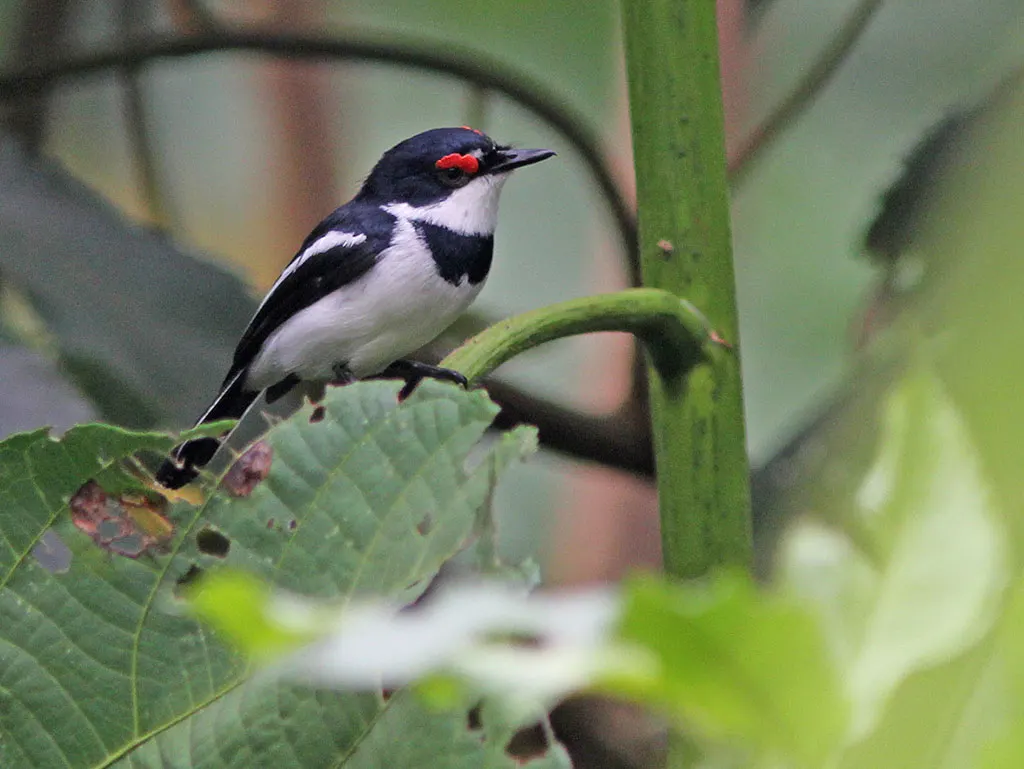
Ruhija supports numerous forest birds, including Albertine Rift endemics and species associated with high-altitude habitats. Visitors may encounter colourful sunbirds, turacos, flycatchers, warblers and forest-dwelling birds that are difficult to observe elsewhere. The exact species recorded during an excursion depend on habitat, season, weather and the birdwatcher’s experience.
Notable birds associated with the Ruhija and wider Bwindi highland environment include:
- African green broadbill: This rare forest bird is one of the main attractions for specialist birdwatchers visiting the Mubwindi Swamp area. Its green plumage blends effectively with surrounding vegetation, making sightings challenging. Birdwatchers often rely on experienced guides who understand suitable habitats and seasonal behaviour. Visitors should approach the experience with patience because sightings depend on conditions and cannot be guaranteed.
- Handsome francolin: This distinctive Albertine Rift bird inhabits mountainous forest and nearby vegetation in parts of southwestern Uganda. Its attractive plumage and secretive behaviour make it a rewarding species for birdwatchers. Observations often require patience and careful listening, particularly in dense vegetation. Travellers interested in photographing the species should carry suitable equipment for low-light forest conditions.
- Ruwenzori batis: The Ruwenzori batis is a small forest bird associated with the Albertine Rift highlands. Its distinctive appearance and movements through forest vegetation attract specialist birdwatchers visiting Bwindi. Locating the species may require careful observation of the forest canopy and understory. Experienced birding guides can help identify its calls and distinguish it from other small forest birds.
- Regal sunbird: The regal sunbird is one of the colourful birds associated with the Albertine Rift’s highland forests. Its striking plumage makes it particularly attractive to wildlife photographers and birdwatchers. The species often moves actively through vegetation while searching for nectar and insects. Visitors may need patience and suitable camera settings to photograph these fast-moving birds in forest lighting.
12. Best Time to Visit Ruhija Gorilla Sector
Visitors can trek mountain gorillas in Ruhija throughout the year, although rainfall influences trail conditions and trekking comfort. Uganda’s relatively drier periods generally occur from June to September and December to February. These months often attract more visitors because forest trails may be less muddy and road transfers can be easier.
Ruhija’s elevated location means temperatures can feel cooler than in many other parts of Uganda, particularly during early mornings and evenings. Rainfall can occur at any time because Bwindi is a tropical rainforest. Travellers should therefore carry waterproof clothing and suitable hiking equipment regardless of their travel month.
Ruhija Gorilla Trekking During the Dry Season
The relatively dry months from June to September and December to February are popular for gorilla trekking in Ruhija. Forest trails may offer firmer footing, although steep slopes and muddy sections remain possible. These periods also attract travellers combining gorilla trekking with wildlife safaris in Queen Elizabeth National Park or other East African destinations.
Because demand can increase during these months, travellers should reserve gorilla permits and accommodation well in advance. Popular lodges may have limited availability, particularly during international holiday periods. Booking early also allows more flexibility when selecting preferred travel dates and coordinating transportation between Bwindi’s different sectors.
Ruhija Gorilla Trekking During the Rainy Season
The wetter months, particularly March to May and October to November, often bring heavier rainfall and slippery forest trails. However, gorilla trekking continues when conditions allow, and visitors can enjoy lush rainforest scenery. The landscape becomes especially green, creating attractive opportunities for nature photography and forest exploration.
Travellers visiting during wetter periods should prepare for challenging walking conditions and unpredictable weather. Waterproof hiking boots, rain jackets and protective bags for cameras are particularly important. Although visitor numbers may be lower during some rainy periods, permit availability and accommodation rates should always be confirmed before booking.
13. Ruhija vs Buhoma, Rushaga and Nkuringo
Bwindi Impenetrable National Park has four gorilla trekking sectors, each offering different landscapes, accommodation options and visitor experiences. Ruhija attracts birdwatchers and nature enthusiasts, while Buhoma offers established tourism infrastructure and convenient connections to Queen Elizabeth National Park. Rushaga is well known for its numerous gorilla families and habituation experiences, while Nkuringo appeals to travellers seeking dramatic mountain scenery.
| Sector | Location | Main Attraction | Suitable Travellers |
|---|---|---|---|
| Ruhija | Eastern Bwindi | Gorilla trekking and birdwatching | Birdwatchers, hikers |
| Buhoma | Northern Bwindi | Established gorilla trekking facilities | First-time visitors, luxury travellers |
| Rushaga | Southern Bwindi | Gorilla trekking and habituation | Primate enthusiasts |
| Nkuringo | Southwestern Bwindi | Mountain scenery and forest trekking | Adventurous travellers |
Ruhija vs Buhoma: Which Is Better?
Ruhija and Buhoma both offer excellent mountain gorilla trekking opportunities, but their environments and tourism facilities differ. Ruhija appeals to travellers interested in highland birdwatching, quieter forest surroundings and the Mubwindi Swamp trail. Buhoma offers established safari lodges, historic gorilla trekking routes and convenient connections to Queen Elizabeth National Park.
Neither sector guarantees an easier trek or better gorilla sightings because the animals move freely through the forest. Travellers should compare accommodation preferences, transport routes and additional activities before choosing. Birdwatchers may favour Ruhija, while visitors prioritising established luxury accommodation and northern Bwindi connections may prefer Buhoma.
Ruhija vs Rushaga: Which Sector Should You Choose?
Ruhija is particularly attractive for birdwatching and highland forest experiences, while Rushaga is known for numerous habituated gorilla families and specialised gorilla habituation activities. Both sectors offer standard gorilla trekking, but their landscapes and tourism opportunities differ. Rushaga also provides convenient access for many travellers arriving from Kigali through southern Uganda.
Visitors interested in spending additional time observing a gorilla group undergoing habituation should consider Rushaga, subject to permit availability. Travellers whose main interests include the African green broadbill, Mubwindi Swamp and high-altitude forest birding may find Ruhija more suitable. The final choice should reflect the wider safari itinerary.
Ruhija vs Nkuringo: Which Is More Difficult?
Ruhija and Nkuringo both occupy mountainous sections of Bwindi, making gorilla trekking potentially demanding in either location. Nkuringo is particularly known for steep slopes and dramatic highland scenery, while Ruhija offers elevated forest trails and challenging birdwatching routes. However, trekking difficulty depends on the gorillas’ daily location rather than a fixed ranking.
Visitors should prepare for uneven ground, muddy paths and potentially long walking distances in both sectors. Travellers with mobility concerns should discuss their circumstances with their safari operator before booking. Suitable footwear, reasonable fitness and porter assistance can help improve comfort during physically demanding forest excursions.
14. Other Things to Do Near Ruhija Gorilla Sector
Ruhija offers more than mountain gorilla trekking, making it suitable for travellers who want to explore Bwindi’s biodiversity and surrounding communities. Visitors can combine gorilla encounters with specialist birdwatching, guided forest walks and cultural activities. Longer itineraries can also include nearby wildlife destinations and scenic highland attractions in southwestern Uganda.
Guided Forest Nature Walks
Guided forest walks introduce visitors to Bwindi’s vegetation, birdlife and smaller wildlife species. Experienced guides explain the rainforest ecosystem and help travellers identify plants, insects and animal signs along authorised trails. These walks provide a different perspective from gorilla trekking because they focus on the broader forest environment rather than locating a specific gorilla family.
Nature walks can appeal to photographers, birdwatchers and travellers who want to explore the rainforest at a slower pace. Available routes, walking distances and activity requirements vary, so visitors should confirm suitable options with park authorities or their safari operator before making arrangements.
Community and Cultural Experiences
Visitors can arrange guided community experiences around the Ruhija area to learn about local traditions, livelihoods and conservation initiatives. Depending on the available programme, activities may include craft demonstrations, traditional storytelling, local food preparation and visits organised by community tourism groups. Responsible cultural tourism can contribute to local income and strengthen relationships between communities and wildlife conservation.
Travellers should choose experiences that respect local customs and provide meaningful benefits to participating communities. Great Apes Tours Africa can help identify suitable cultural activities that complement gorilla trekking without creating unnecessary travel or disrupting the safari schedule.
Combine Ruhija With Queen Elizabeth National Park
Queen Elizabeth National Park offers an excellent addition to a Ruhija gorilla trekking safari. Visitors can enjoy game drives, search for elephants and other savannah wildlife, and explore the park’s diverse landscapes. The Kazinga Channel boat cruise provides opportunities to observe hippos, crocodiles and numerous waterbirds along the shoreline.
Combining Ruhija with Queen Elizabeth National Park allows travellers to experience both tropical rainforest and savannah ecosystems during one Uganda safari. The route and travel duration depend on the selected park area, accommodation and road conditions. Great Apes Tours Africa can design an itinerary that includes comfortable transfers and sufficient time for wildlife activities.
15. What to Pack for Ruhija Gorilla Trekking
Packing suitable clothing and equipment is important because Ruhija’s elevated rainforest environment can be cool, wet and physically demanding. Visitors may encounter steep trails, muddy ground and dense vegetation during the trek. Lightweight but protective clothing helps improve comfort, while suitable footwear reduces the risk of slipping on uneven forest paths.
- Waterproof hiking boots: Choose sturdy boots with reliable ankle support and good traction for muddy trails and steep slopes. Ruhija’s forest paths can become slippery after rainfall, making comfortable footwear essential. Travellers should wear their boots before the safari to avoid discomfort or blisters during longer hikes. Waterproof socks or gaiters may provide additional protection in wet conditions.
- Long trousers and long-sleeved shirts: Wear comfortable clothing that protects your arms and legs from insects, thorny vegetation and dense forest undergrowth. Neutral colours are practical for wildlife activities, while breathable fabrics help manage moisture during strenuous walking. Travellers should also carry an additional warm layer because Ruhija’s higher elevation can produce cool temperatures, particularly during early morning briefings.
- Rain jacket and waterproof backpack: Carry a lightweight waterproof jacket because rainfall can occur unexpectedly in Bwindi’s tropical rainforest. A waterproof backpack or protective cover helps keep cameras, mobile phones and personal belongings dry. Travellers should choose equipment that is comfortable to carry while walking through dense vegetation and climbing steep forest slopes.
- Drinking water and energy snacks: Carry sufficient drinking water to remain hydrated during the trek, particularly when walking uphill or covering longer distances. Light energy snacks can help maintain stamina, although visitors must follow ranger instructions regarding food consumption near gorillas. A small backpack makes it easier to carry essential supplies without restricting movement through the forest.
- Camera and binoculars: A camera suitable for low-light forest photography can help capture mountain gorilla encounters, while binoculars are useful for birdwatching around Ruhija. Flash photography is prohibited during gorilla encounters, so travellers should practise adjusting camera settings beforehand. Spare batteries, memory cards and waterproof protection are particularly valuable during longer forest excursions.
16. Ruhija Gorilla Trekking Rules and Safety Guidelines
The Uganda Wildlife Authority enforces strict gorilla trekking regulations to protect endangered mountain gorillas and maintain responsible tourism. Visitors must follow ranger instructions, maintain the required distance from gorillas and avoid touching or feeding the animals. Flash photography and loud conversations are prohibited because they can disturb gorillas during encounters.
Mountain gorillas are vulnerable to certain human illnesses, making visitor health particularly important. Travellers experiencing symptoms of contagious illness should inform park authorities before trekking. Visitors must also avoid leaving litter in the forest and follow instructions when gorillas approach unexpectedly. These measures help protect wildlife and preserve Bwindi’s conservation achievements.
17. Frequently Asked Questions About Ruhija Gorilla Sector
Where Is Ruhija Gorilla Sector Located?
Ruhija Gorilla Sector lies in the eastern section of Bwindi Impenetrable National Park in southwestern Uganda. The area occupies an elevated mountainous rainforest landscape and is accessible by road from Kabale, Kampala, Entebbe and Kigali. Ruhija is one of Bwindi’s four official gorilla trekking sectors and is particularly famous for mountain gorilla encounters, highland forest birdwatching and the Mubwindi Swamp trail.
How Many Gorilla Families Are in Ruhija?
Ruhija is historically associated with the Bitukura, Oruzogo, Kyaguriro and Mukiza gorilla groups. However, not all historically recognised families necessarily participate in ordinary tourist trekking at the same time. Some groups have research or conservation monitoring histories, and their tourism status may change. Travellers should confirm the current number of available trekking families with the Uganda Wildlife Authority before booking permits.
Is Ruhija Good for Gorilla Trekking?
Yes, Ruhija offers rewarding mountain gorilla trekking experiences in Bwindi Impenetrable National Park. The sector provides opportunities to observe habituated gorillas within a mountainous rainforest environment while enjoying peaceful surroundings and scenic landscapes. It is particularly attractive to travellers interested in combining gorilla trekking with birdwatching. However, visitors should prepare for potentially demanding forest walks and unpredictable weather conditions.
How Much Does Gorilla Trekking in Ruhija Cost?
The cost of Ruhija gorilla trekking depends on the official permit tariff, accommodation category, transport arrangements and safari duration. Historical standard permit rates included USD 800 for foreign non-residents, although revised tariffs may apply to future departures. Travellers should confirm the official price for their travel date and nationality before booking. Additional expenses may include lodging, meals, private transport and optional porter services.
Is Ruhija Gorilla Trekking Difficult?
Gorilla trekking in Ruhija can be physically challenging because the sector features steep slopes, muddy trails and dense mountain forest vegetation. The actual difficulty depends on the location of the assigned gorilla family, which changes daily. Some visitors may complete relatively manageable walks, while others encounter longer hikes. Reasonable fitness, appropriate hiking boots and suitable clothing can improve comfort during the experience.
How Far Is Ruhija From Kigali?
The road journey from Kigali to Ruhija generally takes approximately five to seven hours, depending on the chosen border crossing, immigration procedures, road conditions and lodge location. Travellers commonly enter Uganda through Katuna near Kabale before continuing toward eastern Bwindi. Visitors should allow sufficient time for border formalities and avoid scheduling tight connections immediately before an early morning gorilla trekking activity.
Which Gorilla Families Can You Trek in Ruhija?
Bitukura and Oruzogo are among Ruhija’s best-known tourist-habituated gorilla families, while Kyaguriro and Mukiza also feature in the sector’s conservation history. The exact families available for trekking depend on current wildlife authority arrangements. Visitors generally receive their group allocation during the morning briefing and cannot assume that a particular family will be available on their preferred date.
Is Ruhija Better Than Buhoma for Gorilla Trekking?
Ruhija and Buhoma both provide excellent mountain gorilla trekking opportunities, but they appeal to different travel interests. Ruhija offers exceptional highland birdwatching and a quieter forest atmosphere, while Buhoma features established tourism infrastructure and convenient connections to Queen Elizabeth National Park. Neither sector guarantees easier trekking or better gorilla sightings. Travellers should choose according to their preferred activities, accommodation and travel route.
What Is the Best Time to Visit Ruhija?
The relatively drier months from June to September and December to February generally provide favourable conditions for gorilla trekking in Ruhija. However, visitors can trek throughout the year, subject to park operations and safety conditions. Rainfall can occur during any month because Bwindi is a tropical rainforest. Travellers should prepare for muddy trails and changing weather regardless of their travel dates.
Can You Do Gorilla Habituation in Ruhija?
Ruhija is primarily known for standard mountain gorilla trekking and specialist birdwatching. Uganda’s organised gorilla habituation experience has traditionally been associated with the southern Bwindi area, particularly Rushaga. Travellers interested in spending up to four hours observing a gorilla group undergoing habituation should confirm the current designated sector and permit availability before planning their safari.
What Is the Minimum Age for Ruhija Gorilla Trekking?
The minimum age for gorilla trekking in Uganda is 15 years. This requirement helps ensure that participants can follow ranger instructions and manage potentially challenging forest conditions. Families travelling with younger children can arrange alternative activities, including suitable cultural experiences and nature excursions. Parents should confirm age requirements before purchasing permits or finalising their safari itinerary.
Can I Stay in Buhoma and Trek Gorillas in Ruhija?
Travellers can travel between Buhoma and Ruhija, but the road journey can take several hours depending on conditions and the selected route. Staying in Buhoma while holding a Ruhija trekking permit may therefore require an inconvenient early morning transfer. Visitors should generally choose accommodation near their assigned trekking headquarters to reduce travel time and avoid unnecessary stress before the trek.
18. Plan Your Ruhija Gorilla Safari With Great Apes Tours Africa
Ruhija Gorilla Sector offers an unforgettable combination of mountain gorilla trekking, exceptional birdwatching and spectacular rainforest scenery. Its elevated location in eastern Bwindi makes it particularly attractive to nature enthusiasts, photographers and travellers seeking peaceful forest experiences. Whether you want to observe habituated mountain gorillas, search for rare Albertine Rift birds or explore the Mubwindi Swamp trail, Ruhija provides a rewarding Uganda safari destination.
Great Apes Tours Africa organises tailor-made gorilla trekking safaris in Uganda, Rwanda and other East African destinations. Our experienced local safari team helps travellers arrange gorilla permits, select suitable accommodation and organise private transportation. We can also combine Ruhija with Queen Elizabeth National Park, Kibale National Park, Lake Bunyonyi and other wildlife destinations according to your interests and available travel time.
Book Your Ruhija Gorilla Trekking Safari
Share your preferred travel dates, number of travellers, accommodation budget and desired safari duration with Great Apes Tours Africa. Our safari specialists will help you select suitable accommodation, arrange available gorilla trekking permits and prepare a personalised itinerary. We can also include birdwatching excursions, cultural experiences and additional wildlife activities to create a complete Uganda safari.
Explore Ruhija Gorilla Sector with Great Apes Tours Africa and discover the remarkable mountain gorillas and birdlife of Bwindi Impenetrable National Park.
Pingback: Bwindi Impenetrable National Park: Complete Travel Guide
Pingback: Mubwindi Swamp Birding Trail: Birds, Hiking & Guide
Pingback: 4 Gorilla Trekking Sectors in Bwindi: Complete Guide